Spain's Enagás receives approval to invest €9.16 million in seawater intake and discharge system
en.Wedoany.com Reported - Spain's Enagás, through its stake in the Bilbao Gas Company (BBG) regasification plant (co-owned with the Basque Energy Agency (EVE)), has received approval from the Ministry for Ecological Transition and the Demographic Challenge to build a new seawater intake and discharge system at its facility in Zierbena (Biscay province). The project, with an investment of €9.16 million, will allow the facility to have its own seawater supply system for the first time, eliminating its dependence on water from the adjacent combined-cycle power plant. This will improve facility availability, enhance natural gas supply security, and reduce carbon dioxide emissions.
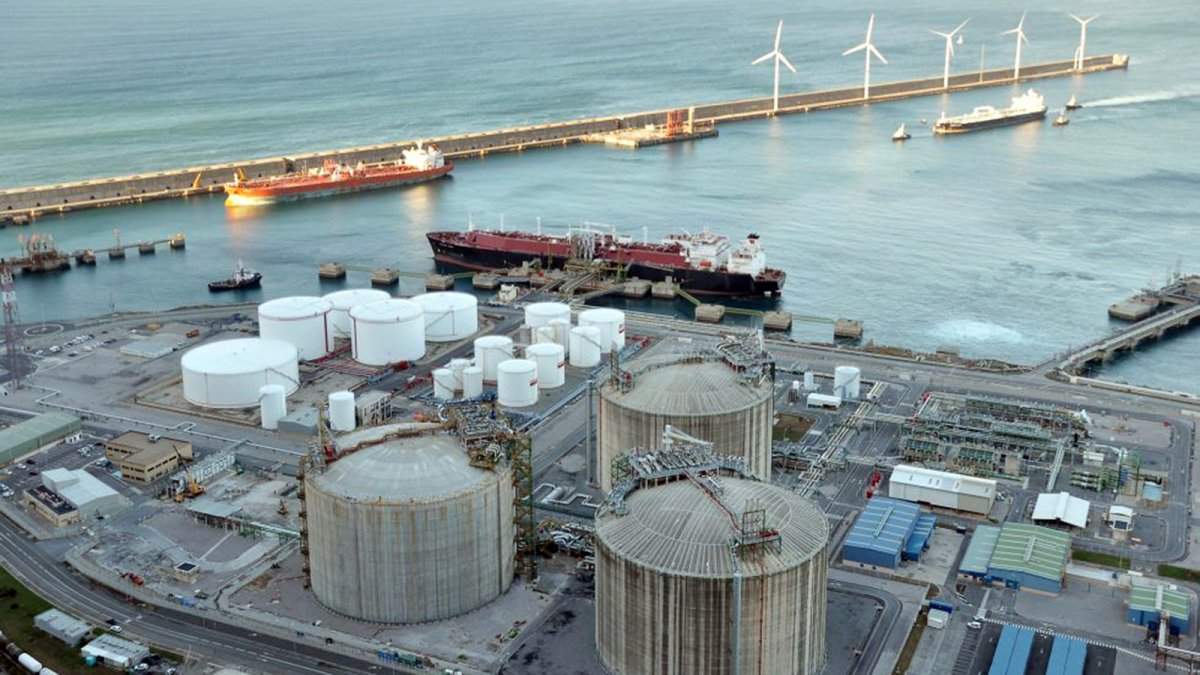
Previously, the regasification plant used water collected by the Bilbao Electric Company (BBE) combined-cycle power plant, relying on it to supply the vaporizers that convert liquefied natural gas (LNG) into gas. As the power plant's operating hours gradually decreased, whenever it shut down, the BBG plant had to use submerged combustion vaporizers, which limited regasification capacity to 25% of its potential and generated carbon dioxide emissions. The new system will allow the facility to maintain operational capacity even during combined-cycle power plant outages, without needing to use this auxiliary equipment.
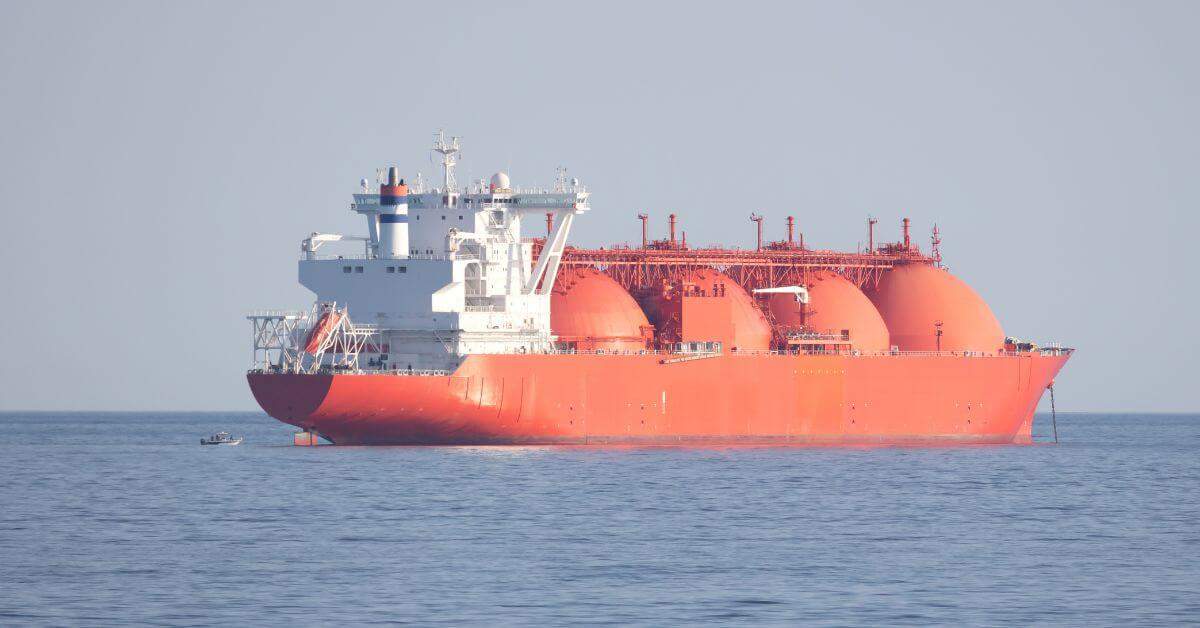
The plant currently has three LNG storage tanks, each with a capacity of 150,000 cubic meters, and a regasification capacity of up to 800,000 standard cubic meters per hour using seawater-supplied vaporizers. The new system will ensure this capacity is maintained. The project plans to build a water intake at the plant's dock, capable of drawing water directly from the sea at a maximum flow rate of 25,400 cubic meters per hour. It also includes installing new pumping equipment, a new pressure pipeline connecting to the existing network, necessary electrical and control systems, and a new discharge facility to return water to the sea near the Punta Ceballos dock.
The approval was obtained after completing the project's administrative procedures, which included a public information period and receipt of reports from competent authorities. The National Commission on Markets and Competition endorsed the project, and the Ministry for Ecological Transition and the Demographic Challenge deemed an environmental assessment unnecessary, as it does not fall under the scenarios stipulated by law. No objections from individuals were received during the public information period. The resolution sets a maximum construction period of 18 months for executing the works and commissioning the new facility. The company must pay a guarantee of €183,222.80, equivalent to 2% of the project budget, before project development.
Related Products
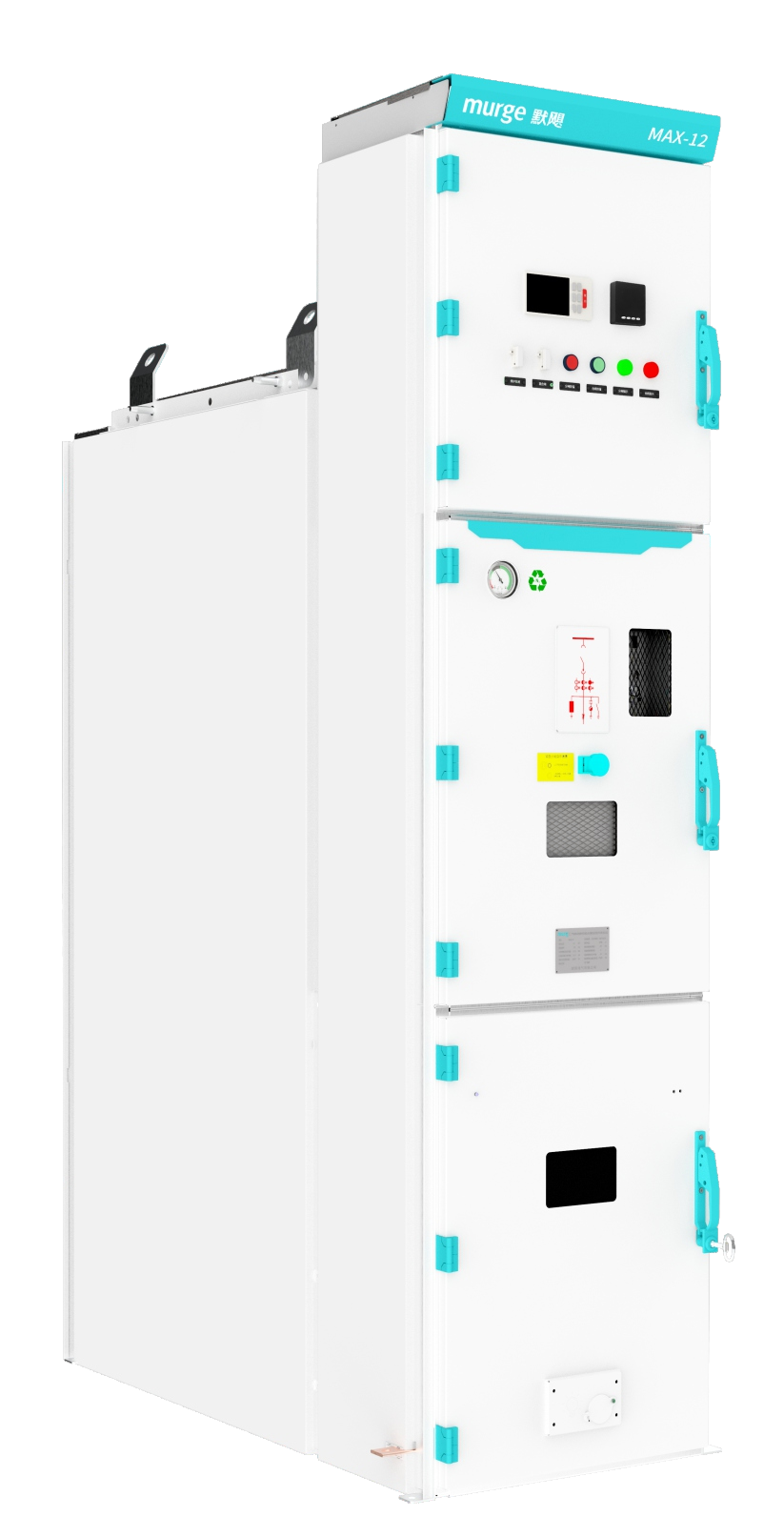

MAX-12 series Environmental Protection/SF6 gas insulated switchgear (C-GIS)
Murge Electric Co.,Ltd.
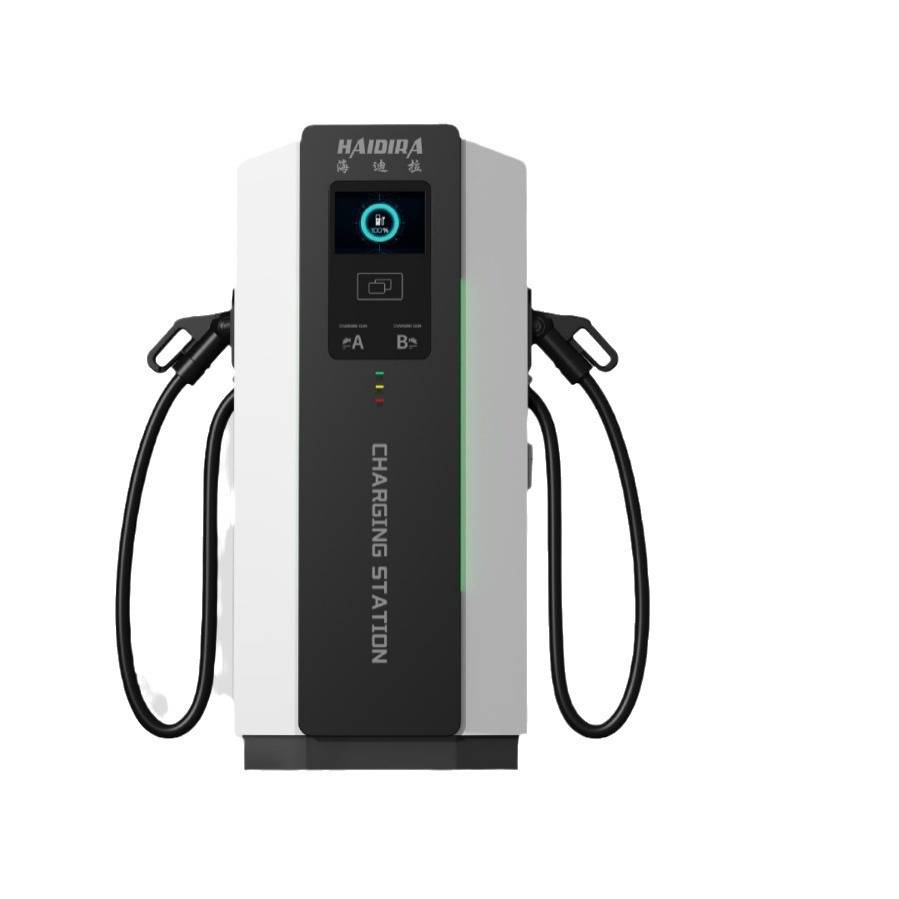
Manufacturer Direct Sales Tesla New Energy Electric Vehicle Universal DC 180kW Dual-gun Charging Pile Commercial Fast Charger
Anhui Haidira Electric Technology Co., Ltd.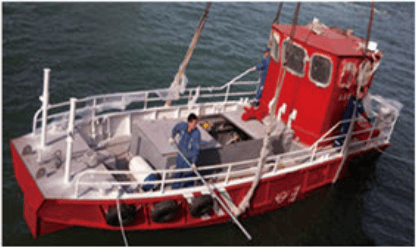
Electromagnetic Fluid Seawater Floating Oil Separation and Recover Equipment
Huate Magnet Group Co., Ltd.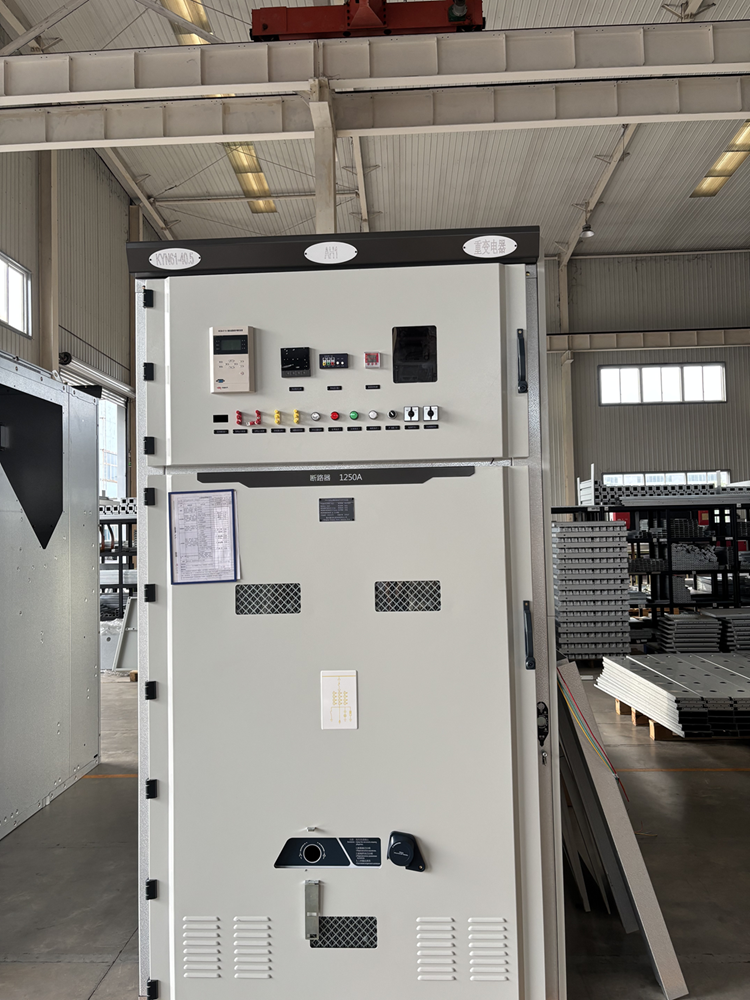
KYN61-40.5 Indoor AC Metal-clad Removable Switchgear
Chongqing Transformer Co., Ltd.
Pneumatic high-pressure wear-resistant ball valve
Zhejiang Deca Control Valve Meter Co., Ltd.
Hydraulic Turbine Genset
Dongfang Electric Corporation Dongfang Electric Machinery Co., Ltd.
Standard Nozzle Flowmeter
Jinggong Automatic Control Instrument Complete Technology Development Company
Smart Photovoltaic Prefabricated Substation
Shanghai Jinyou Jinhong Intelligent Electric Co., Ltd.