Weltec Biopower Builds Agricultural Biogas Plant for Kalfresh in Australia
en.Wedoany.com Reported - German biogas engineering company Weltec Biopower will construct a large-scale bioenergy facility for Australian vegetable enterprise Kalfresh in Queensland, which will become the core of the new Scenic Rim Agricultural Industrial Precinct. Weltec's equipment is expected to arrive at the site by the end of August, when construction of the first anaerobic digester will begin. The first phase includes a fermenter with a diameter of 31.48 meters and a height of 8.8 meters, as well as a digestate storage tank, all controlled by Weltec's control system.
The facility will convert Kalfresh's crop residues, processing by-products, and other agricultural waste into biogas and nutrient-rich digestate. The digestate will be returned to farmland as biofertilizer, forming part of Kalfresh's circular economy strategy from field production to energy generation. According to industry media reports, the industrial precinct, once fully completed, could ultimately accommodate up to 14 fermenters, with the energy produced theoretically sufficient to supply approximately 31,000 households or fuel truck and bus travel of up to 98 million kilometers.
Founded in 1992 and owned by multiple farming families, Kalfresh is a vegetable enterprise headquartered in Kalbar, southeast Queensland. This vertically integrated company grows, washes, packs, and markets vegetables such as carrots, beans, onions, and corn. According to the company, it is one of Australia's leading vertically integrated vegetable enterprises. To introduce internationally proven digestion technology into its operations, Kalfresh sent a group of Queensland farmers to Germany in April to visit reference plants built by Weltec Biopower. Kalfresh CEO Richard Gorman explained the choice of technology partner: "For us, it was crucial to partner with a company that has a strong track record in delivering reliable, long-term infrastructure. This is proven technology, and we are building durable facilities. We have visited many operational bioenergy sites overseas, including those designed and built by WELTEC. They have a reputation for designing efficient, high-quality systems with consistent performance."
Weltec Biopower CEO and Sales Director Dirk Krumdieck stated that the contract is the result of years of preparation: "We are delighted to deliver a flagship bioenergy project in Australia that combines Kalfresh's agricultural innovation with our proven European biogas engineering expertise."
For Weltec Biopower, this contract marks its entry into Australia's agricultural bioenergy projects. According to the company, since its founding in Vechta in 2001, it has planned, delivered, and built over 450 stainless steel biogas plants in the United States, Japan, Cyprus, the United Kingdom, and other European countries. The current project will be implemented in three construction phases, with the first-phase fermenter and digestate storage tank marking the start of the project.
Australia has legally committed to reducing emissions by 43% by 2030 and achieving net-zero emissions by 2050. Additionally, the government has set a political target (though not legally binding) for 82% of electricity in the National Electricity Market (NEM) to come from renewable sources by 2030, primarily driven by wind and solar, supported by battery storage to stabilize the grid. The government's net-zero plan also lists "clean fuels," including biomethane, as a separate decarbonization priority, although no quantified expansion targets have been set to date. According to EY Australia, the country's biogas market itself is considered young but with considerable growth potential. Current use of renewable gas remains limited: in 2023/24, Australia's biogas production and use amounted to approximately 18 petajoules, while a study commissioned by Energy Networks Australia indicates the country's technical biomethane potential is around 400 petajoules per year, several times the current utilization rate. Since July 2025, the National Greenhouse and Energy Reporting Scheme (NGERS) has included biomethane and hydrogen in its market-based emissions accounting framework.
Related Products


Hydraulic Turbine Genset
Dongfang Electric Corporation Dongfang Electric Machinery Co., Ltd.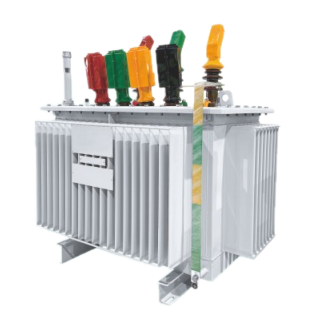
IS(B)□-M·RL Series Oil-immersed 3D Transformer (Planar / 3D Wound Core)
Guangdong Kehua Electric Power Technology Co., Ltd.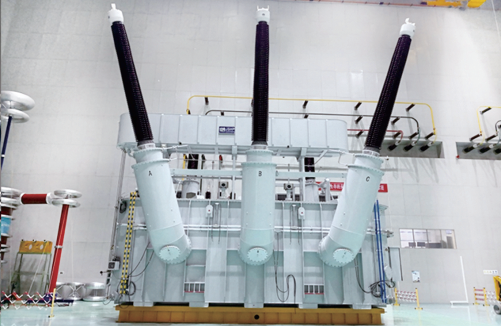

Off-Grid Fuel Cell Supercharging Station (180kW Configuration)
Shanghai REFIRE Group Limited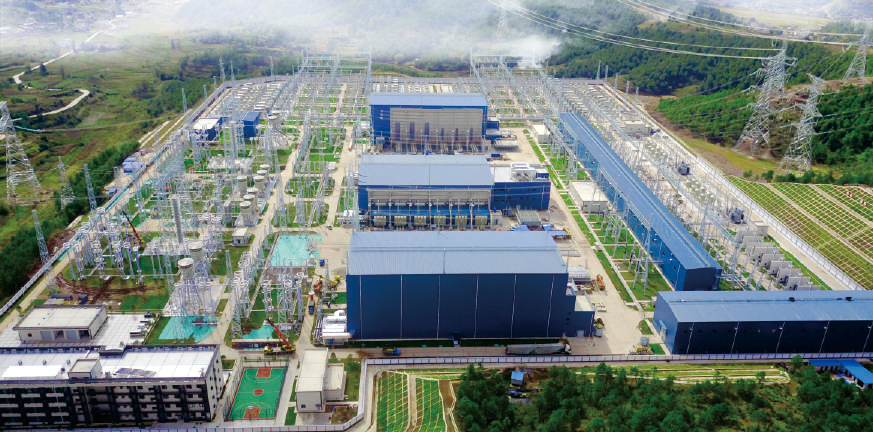
High-voltage Direct Current (HVDC) Transmission System Research and Integrated Design
XI'AN XD POWER SYSTEMS CO., LTD.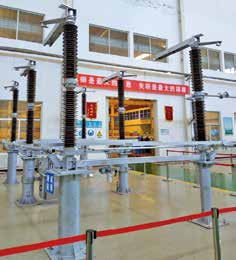
GW4-40.5/72.5/126/145/170/252/363/420 Series Double-column Horizontal Rotary High-voltage AC Disconnect Switch
SHANDONG TAIKAI DISCONNECTORS CO., LTD.
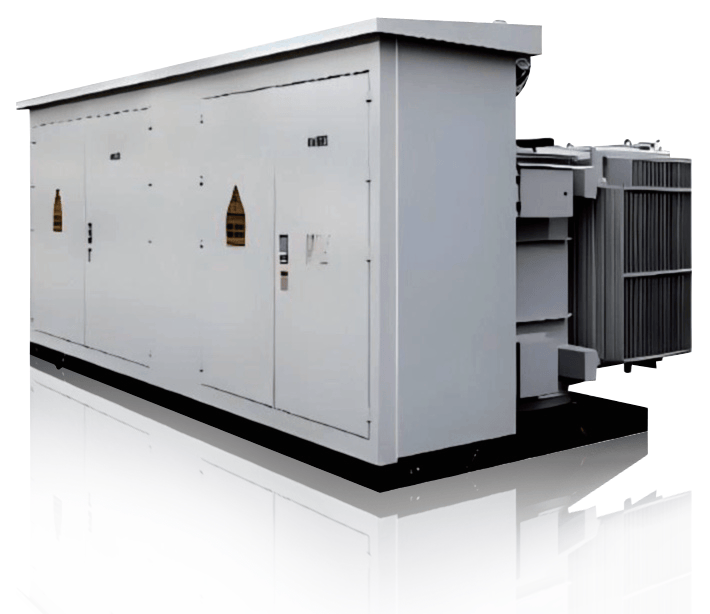
H-40.5/0.4~1.14kV New Energy Power Generation Dedicated High Voltage/Low Voltage Prefabricated Substation
XJ (Xiamen) Intelligent Power Equipment Co., Ltd.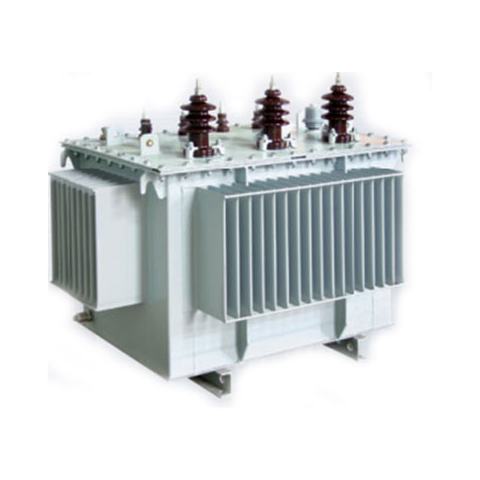
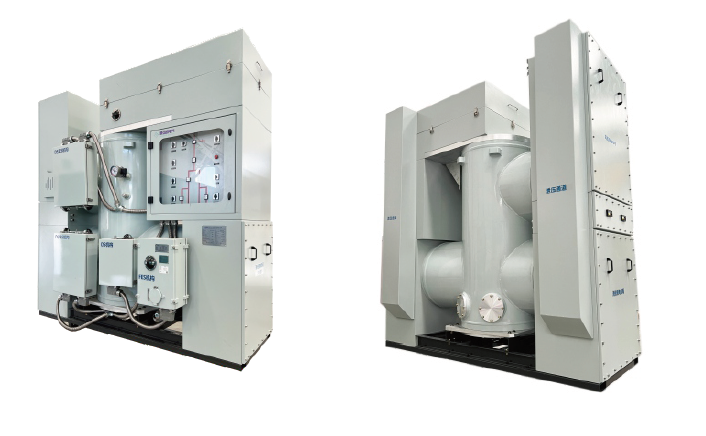
72.5kV 1250A 31.5kA SF6 free Gas-insulated Metal-enclosed Switchgear
Zhejiang Juhonkia Intelligent Electric Co., Ltd.