Aer Lingus to Cut 3 US Routes in 2026
en.Wedoany.com Reported - Aer Lingus revealed on July 16, 2026 that its route network may face significant cuts, a move likely to impact its operations in the fast-growing US market. Three routes have been confirmed for termination, including Dublin Airport (DUB) to Denver International Airport (DEN), Las Vegas Harry Reid International Airport (LAS), and Minneapolis-Saint Paul International Airport (MSP).
The termination of these three routes is not surprising, as their load factors were already among the lowest in the airline's transatlantic network. DUB to DEN and DUB to MSP are Aer Lingus's two worst-performing US routes, with occupancy barely reaching 60%. Apart from LAS, it remains to be seen whether other transatlantic routes will follow suit.

According to Ishrion Aviation, the airline's last flight from DUB to DEN will operate on September 28. Cirium Diio data shows that this long-haul route, spanning 3,817 nautical miles (7,069 km), was already scheduled to end in the same period of 2026, with the difference being that flights will not resume next year. Aer Lingus only recently launched the DEN route, with its inaugural flight in May 2024, marking the first scheduled service between Ireland and Colorado. The route has always operated on a seasonal summer basis, almost exclusively using Airbus A330-200s. It operated four weekly flights in its first season, increasing to six weekly in the second season.
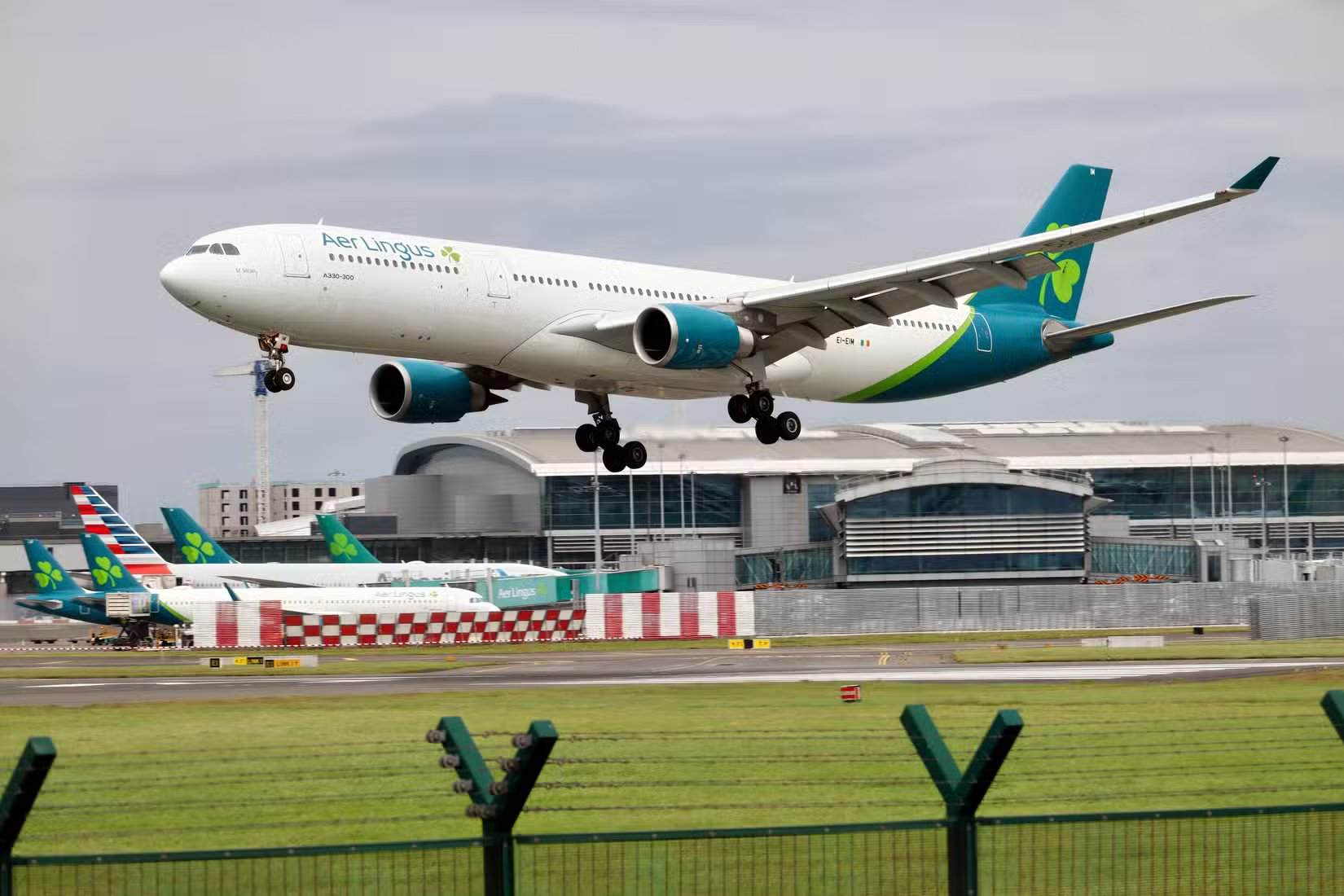
Data from the US Department of Transportation (DOT) shows that increased capacity led to a significant drop in load factor on this route. The load factor was 73.7% in 2024, falling to just 63.9% the following year. The number of additional seats far exceeded the increase in passenger traffic, and fares and yields likely declined to sustain passenger growth. In the 12 months ending March 2026, only 64.1% of seats were filled.
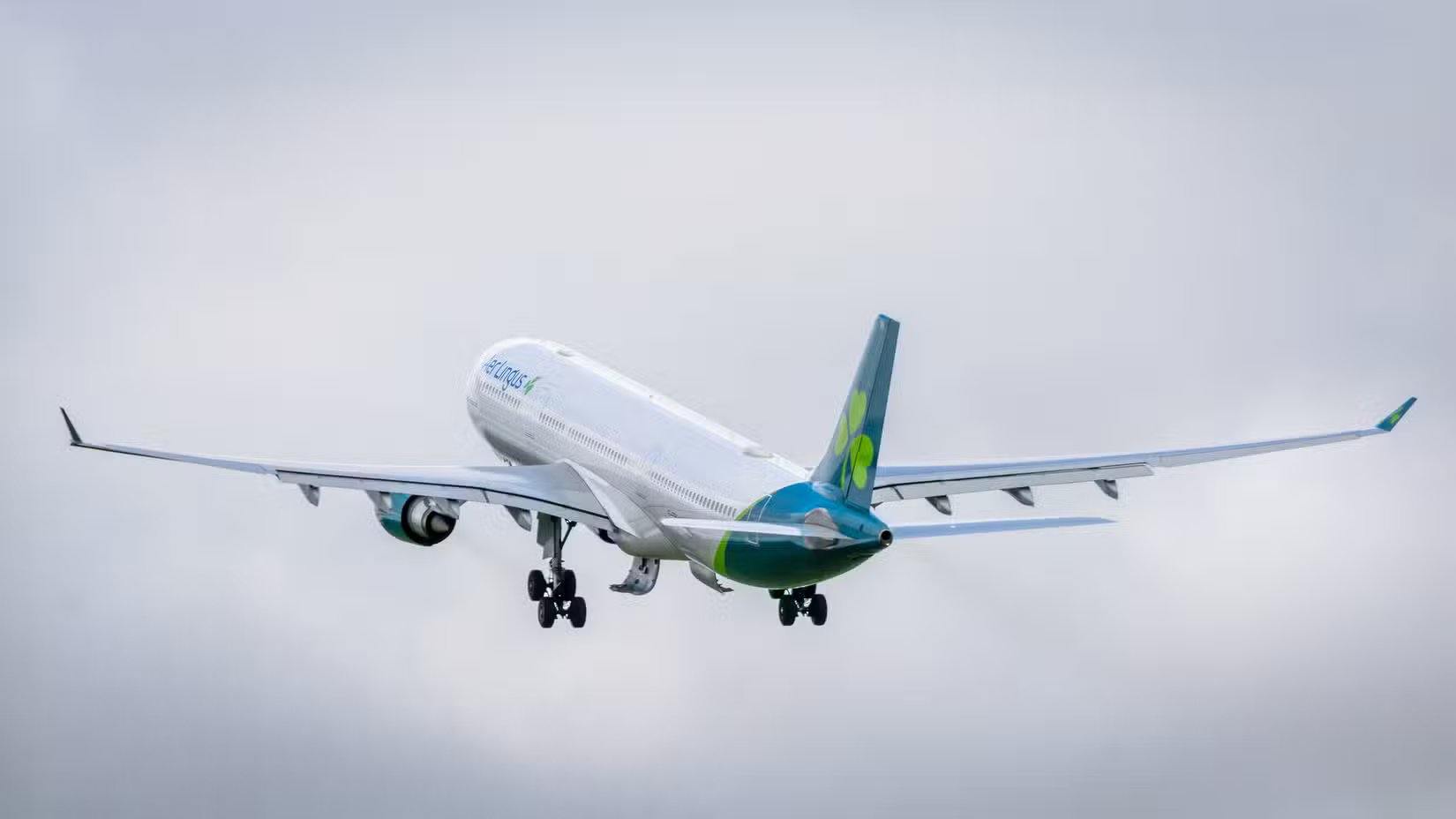
The LAS route is also relatively new. Aer Lingus launched flights to Las Vegas in October 2024, but unlike DEN, the route has consistently operated three weekly flights. As a pure winter route, the airline will resume flights on October 2, using A330-200 and A330-300 aircraft. The route was originally planned to operate until late April next year, but will now end on December 3. In the 12 months ending March 2026, the route carried 33,448 passengers, but the load factor was only 71.3%. Even for a route still in its early stages, this level is relatively low, not to mention the fares and yields required to achieve this volume. December 2025 was the worst month (59.8%), followed by January 2026 (62.8%) and November 2025 (69.3%). Booking data shows that more passengers chose direct flights from DUB to LAS rather than connecting in Dublin, which is generally a positive factor as local traffic yields higher revenue and lower costs than connecting traffic. However, these benefits appear insufficient to save the route compared to other operations the airline believes it can pursue with the freed-up Airbus A330s.

MSP is the only one of these three routes operated with narrow-body aircraft. Aer Lingus operates the DUB to MSP route year-round using the 184-seat Airbus A321XLR. In contrast, Delta Air Lines only operates the MSP-DUB route during the summer. Aer Lingus's last flight will operate on October 24, which is the last day of the Northern Hemisphere aviation summer based on the International Air Transport Association (IATA) slot season. Whether Delta will resume the route in 2027 will be closely watched. Aer Lingus has made reasonable adjustments to flight frequency on MSP, operating five weekly flights during the off-season in 2026 and increasing to daily flights during peak season. However, winter capacity was clearly excessive, and the route should have operated only in summer. Between April 2025 and March 2026, DOT data shows that Aer Lingus had load factors below 50.0% on this route for six months, making it the worst-performing US route for Aer Lingus. The worst month was February 2026, with only 30.0% of seats filled, the second lowest among Aer Lingus's US routes from DUB that month, only higher than Seattle-Tacoma International Airport (SEA, 28.1%). Unsurprisingly, the SEA route will now also switch to seasonal operations.
Related Products





China - Alashankou/Khorgos - Europe Full Range Transportation (Mala/Hamburg/Duisburg/Budapest, etc.)
Shenzhen Neptune Logistics Co., Ltd.


XC-6000e Type Aviation Catering Truck (Fuel Type)
Shenzhen CIMC-TianDa Airport Support Ltd.
Pantograph-Catenary Comprehensive Detection Device (1C)
CHENGDU TANGYUAN ELECTRIC CO., LTD.

3m intelligent buoy combining navigation safety and real-time marine monitoring integrated navigation and marine monitoring system for real-time maritime data
Chengdu Dixin Technology Co., Ltd.

"Shunyi 1600" Deep-submerging Bottom-sitting Multi-functional Wind Power Engineering Vessel
Zhengli Offshore Engineering Co., Ltd.