Grid Flexibility Demand Is Turning Storage Into Core Power Infrastructure
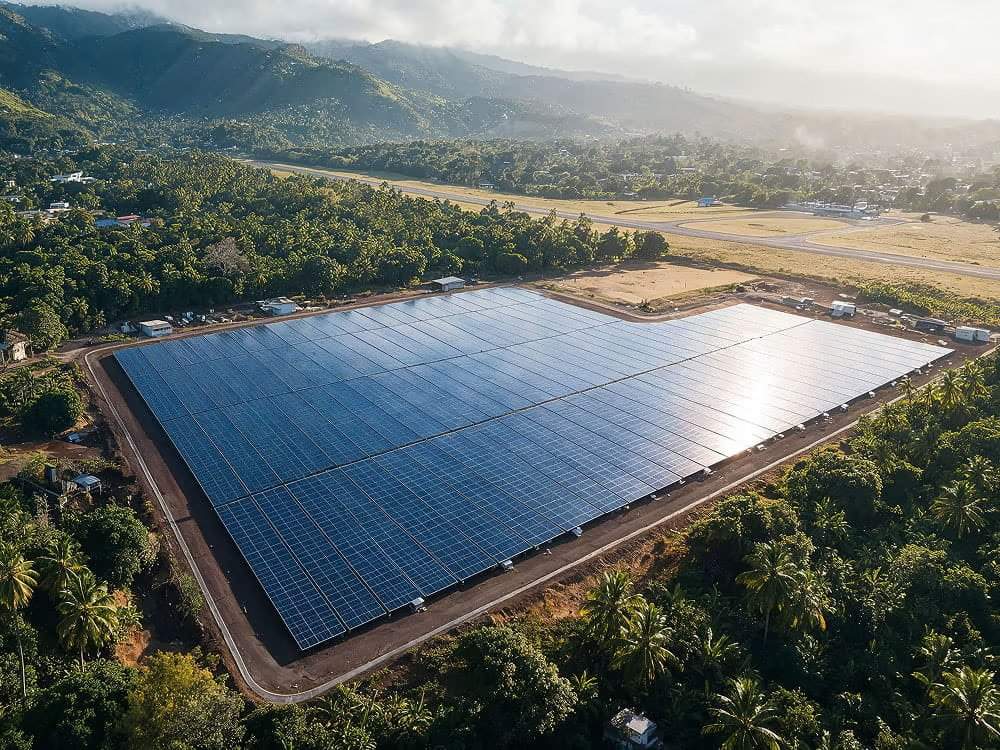
en.Wedoany.com Reported - As wind and solar power take a larger share of electricity generation, Grid-side Energy Storage is becoming an important foundation for modern power systems. Traditional grids relied mainly on thermal power plants, hydropower, pumped storage and long-distance transmission to balance supply and demand. With higher renewable penetration, the challenge is no longer only how much electricity is generated. It is also when the electricity is generated, where it can be consumed and how quickly the system can respond.
The core value of grid-side storage is fast response. Battery systems can participate in frequency regulation within milliseconds or seconds, while also supporting peak shaving, reserve capacity, ramping support and load shifting over minutes or hours. In regions with variable renewable output, storage can absorb short-term surplus power and release electricity during demand peaks or renewable output drops.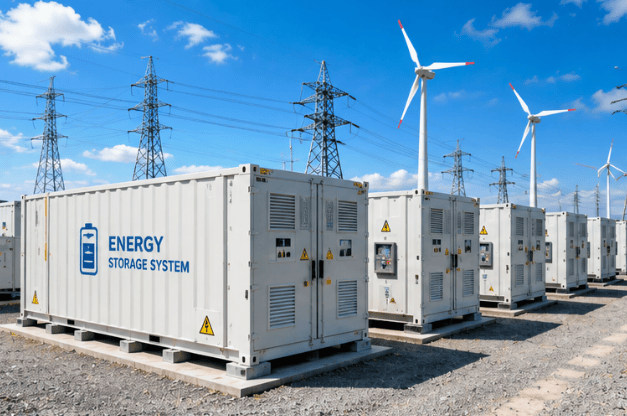
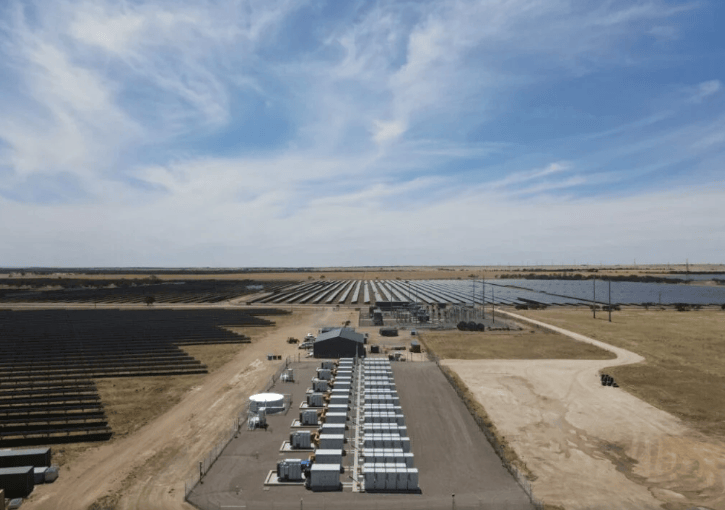
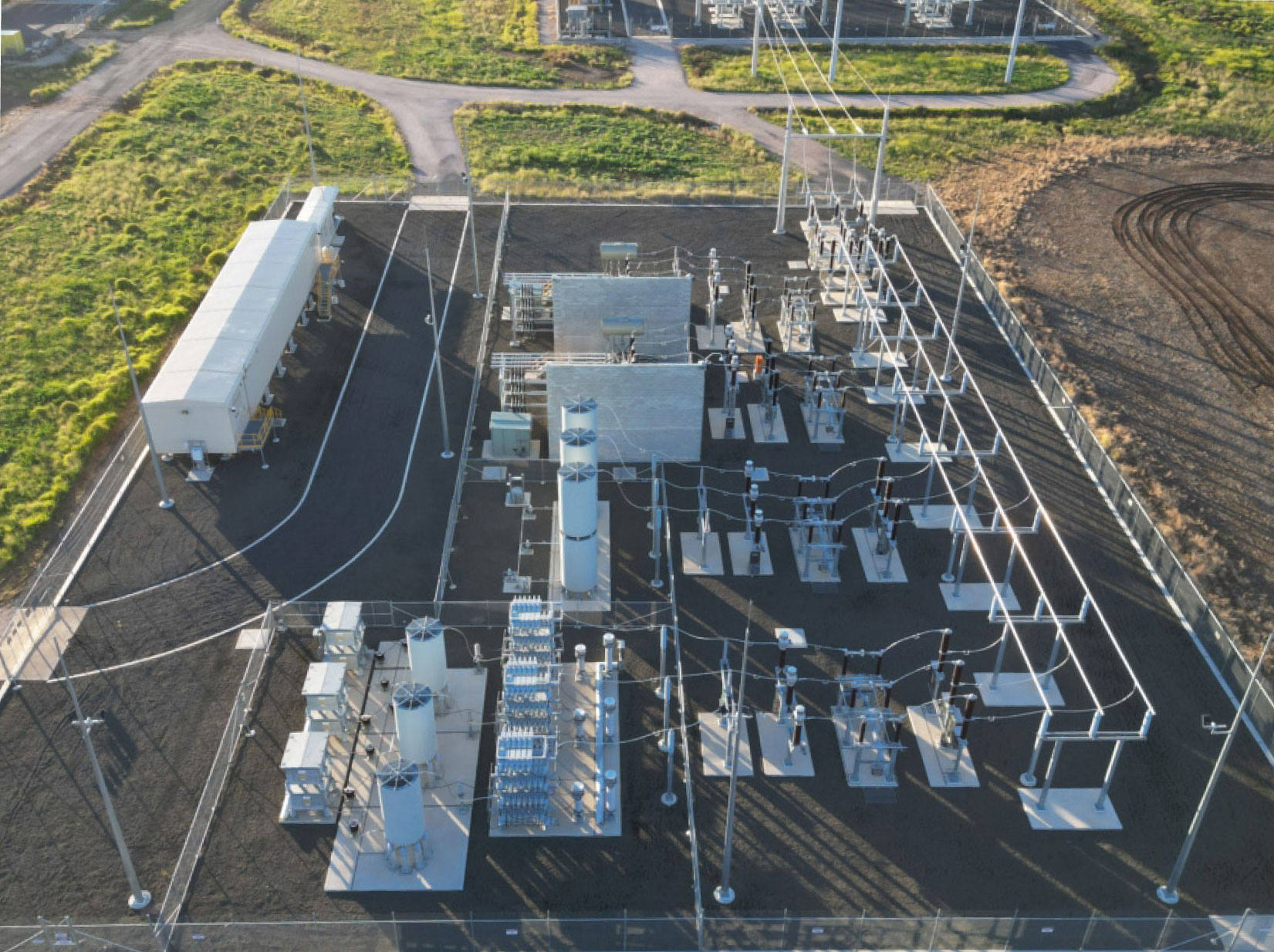
Compared with behind-the-meter storage, grid-side storage emphasizes system-level value. It is usually deployed at substations, transmission nodes, renewable energy collection stations, load centers or weak-grid areas. Its service target is not a single enterprise, but the wider power system.
The value stack can also be broader than simple energy arbitrage. A grid-side project may provide frequency regulation, capacity support, reserve services, transmission and distribution deferral, black start capability and voltage support. The actual revenue model depends on the local market design, grid needs and regulatory framework.
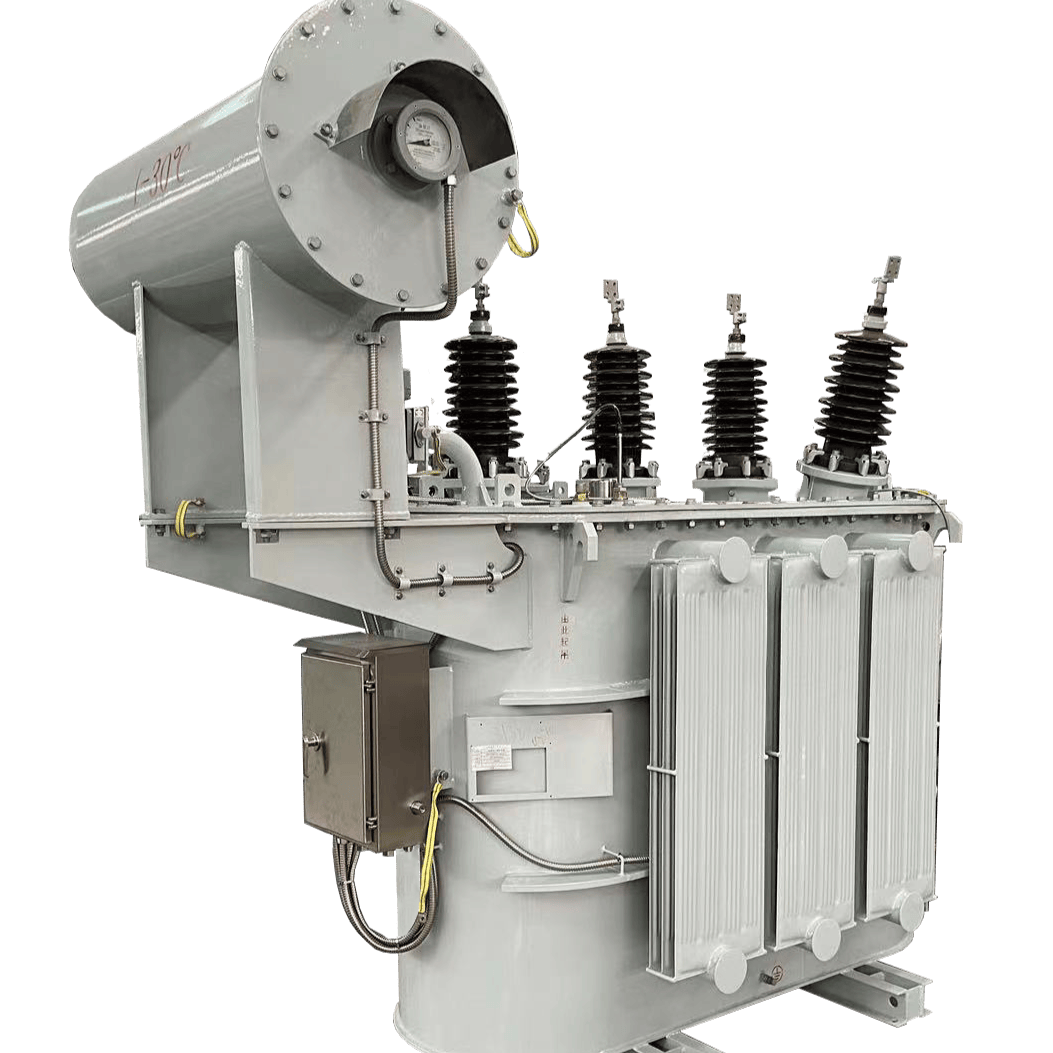
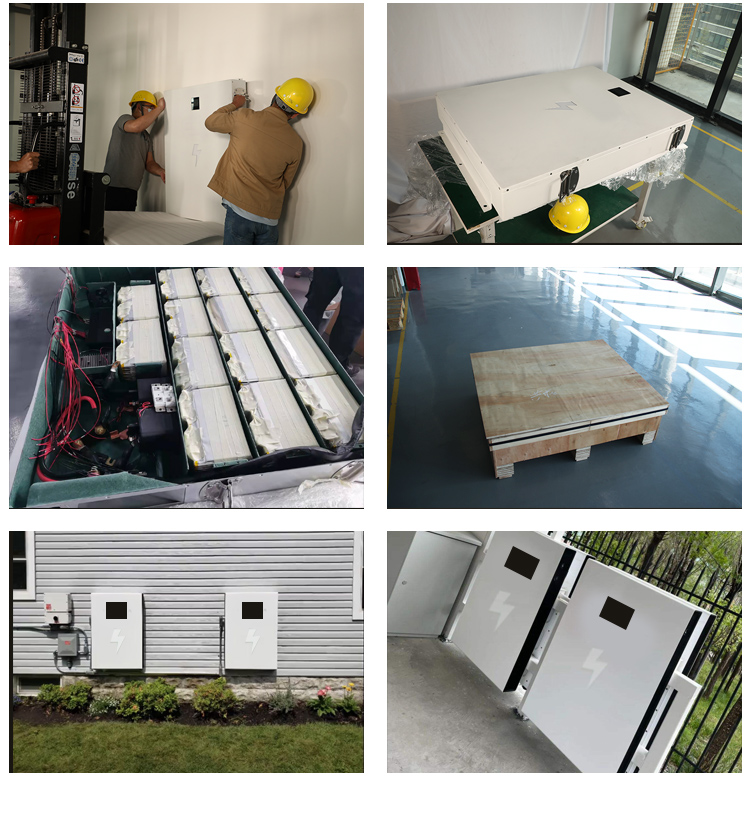
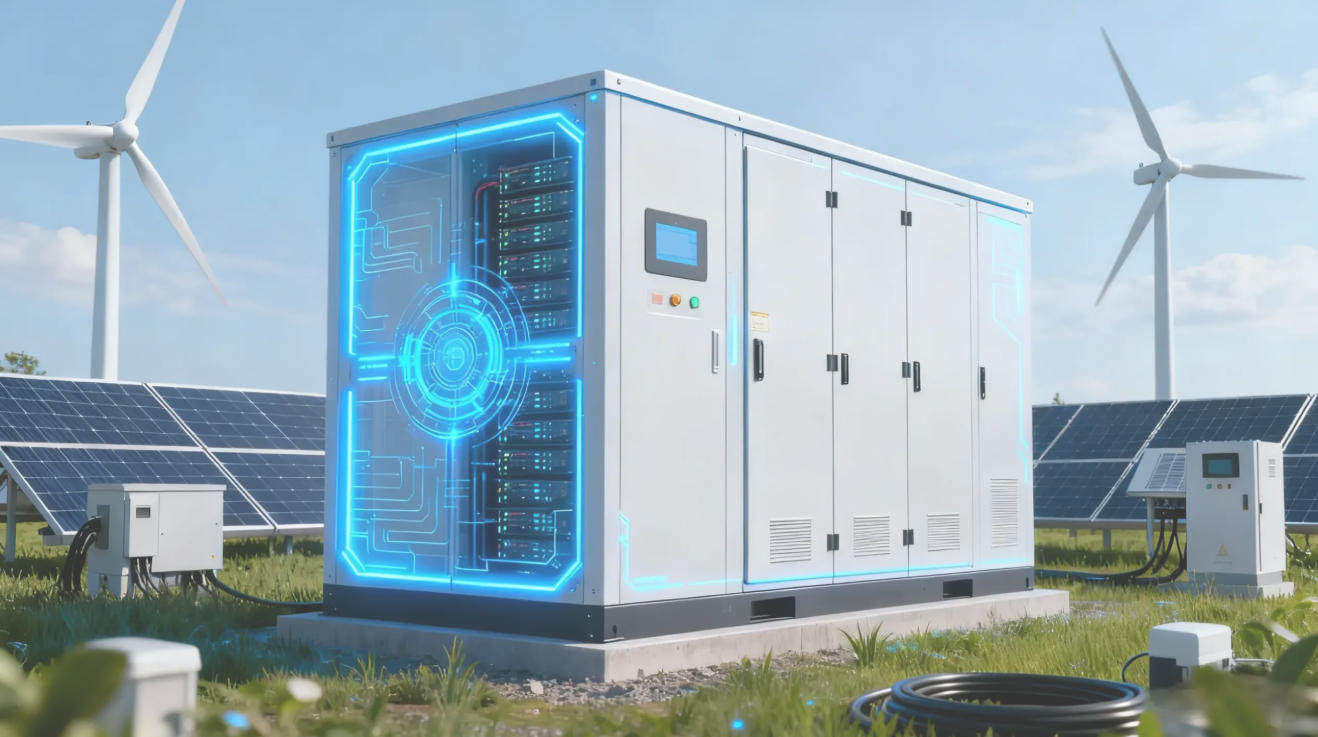
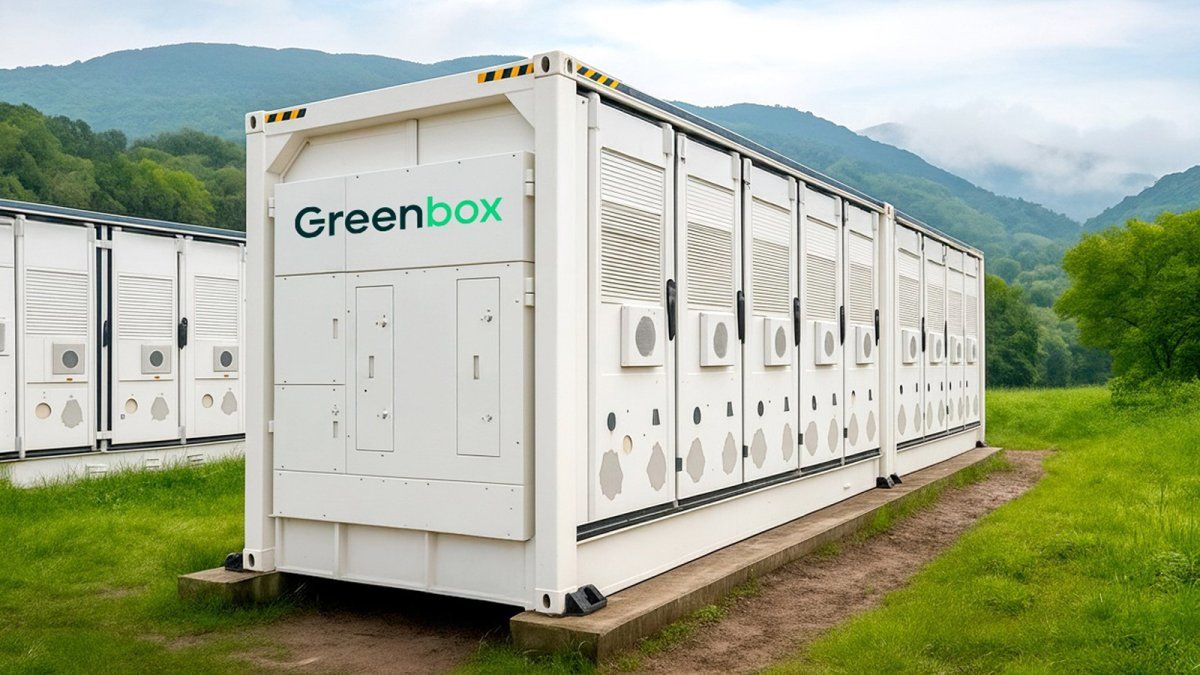
A complete grid-side storage project requires strong system integration. It normally includes battery systems, PCS, step-up transformers, switchgear, EMS, BMS, fire protection, thermal management, grid protection, dispatch communication and monitoring platforms. A weakness in any part of the chain may affect availability and dispatch performance.
In the future, grid-side energy storage will develop toward larger capacity, higher safety, longer lifetime and more intelligent dispatch. It will no longer be viewed only as equipment that charges and discharges. It will become a flexible grid resource. For equipment suppliers and system integrators, competitiveness will depend not only on battery cost, but also on safety design, system efficiency, grid-connection performance, operation capability and understanding of power market rules.