Electrochemical Storage Is Becoming a Core Flexibility Resource for Power Systems
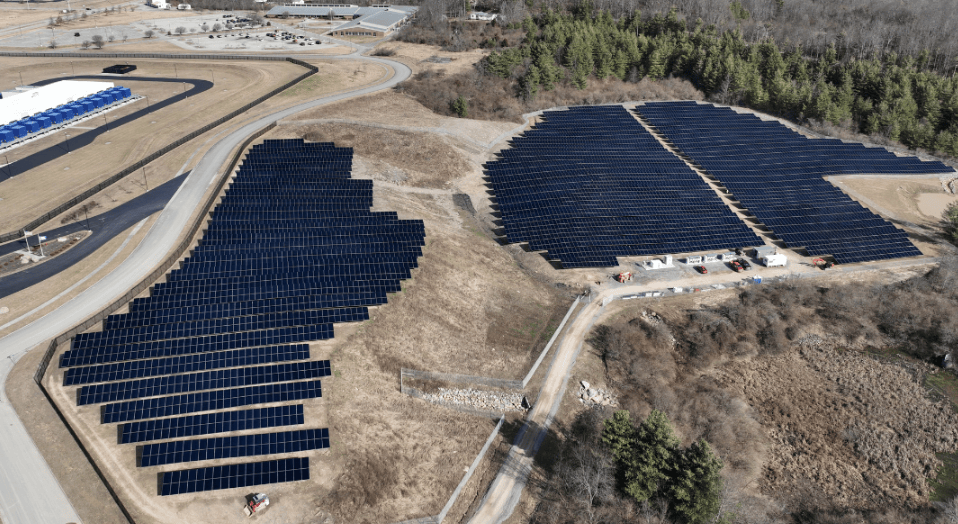
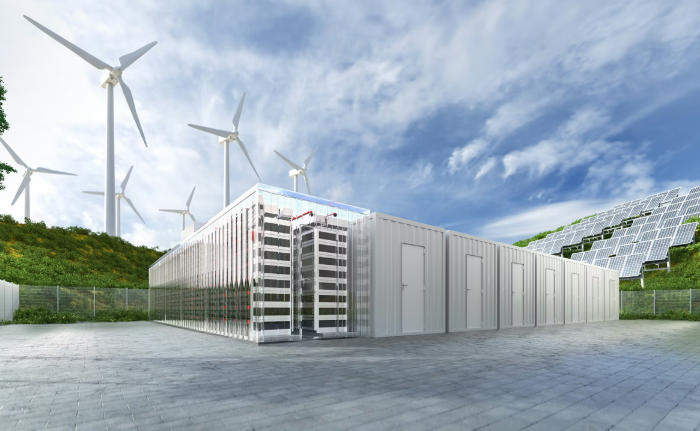
en.Wedoany.com Reported - Electrochemical Energy Storage is moving from demonstration projects to large-scale deployment. As wind and solar power grow rapidly, power systems need more flexible resources to balance variable generation and changing demand. Compared with many conventional flexibility options, battery storage offers fast response, modular deployment and relatively short construction cycles.
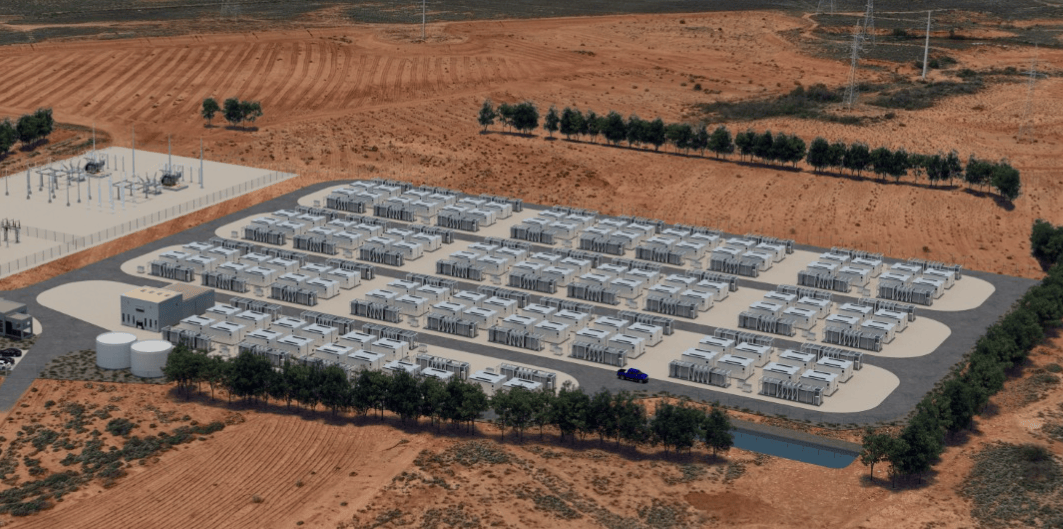
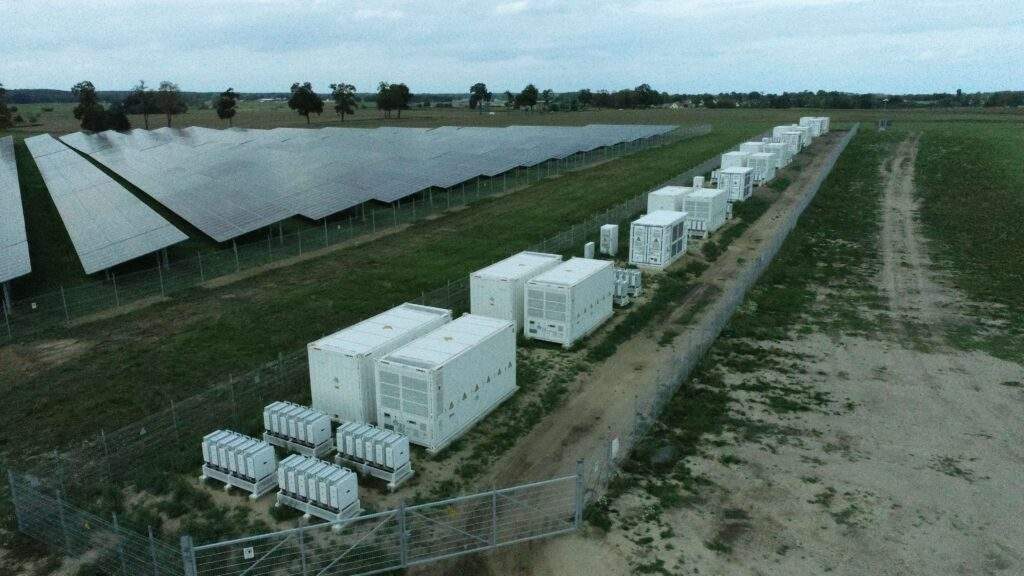
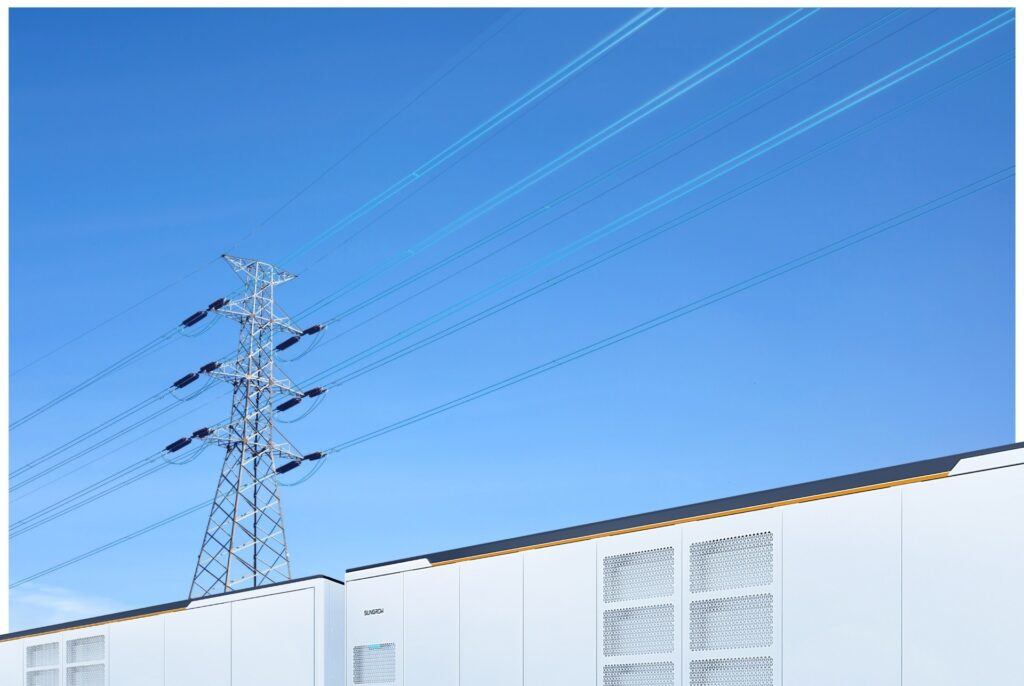
An electrochemical storage project is not a single device. A typical system includes battery racks, PCS, BMS, EMS, step-up transformers, switchgear, fire protection, thermal management, monitoring platforms and grid protection devices. Batteries store energy. The PCS converts power between direct current and alternating current. The BMS manages cell status. The EMS determines dispatch strategy and system optimization. Only when these parts work together can the system operate reliably in grid-side, commercial, industrial and microgrid applications.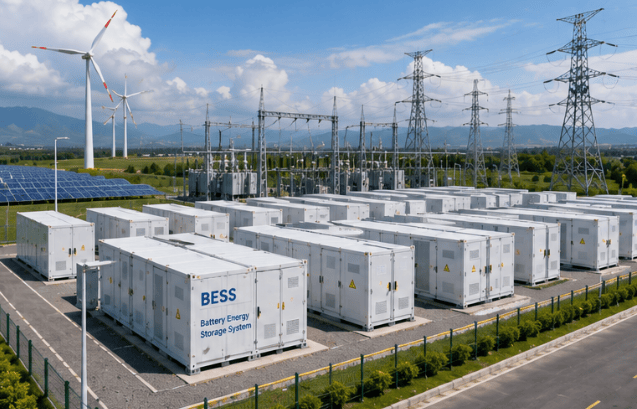
Lithium-ion batteries are currently the dominant technology, with lithium iron phosphate gaining strong adoption because of its cost, cycle life and safety characteristics. At the same time, sodium-ion batteries, flow batteries, solid-state batteries and other technologies are being explored for different use cases. These technologies are not simple substitutes for one another. Their value depends on power demand, discharge duration, cycling frequency, safety requirements, temperature conditions and project revenue model.
The value of electrochemical storage is expanding beyond charge-discharge arbitrage. Grid-side systems can provide frequency regulation, peak shifting, reserve and capacity support. Renewable energy storage can reduce curtailment and improve grid connection performance. Commercial and industrial systems can support demand management, time-of-use optimization and backup power. Microgrid and off-grid applications place more emphasis on supply stability and energy independence.
As electricity market mechanisms develop, storage business models will move from single revenue streams to stacked services. The same battery may provide energy shifting, ancillary services and local reliability value at different times, depending on market rules and dispatch strategy.
In the future, competitiveness will depend not only on battery price, but also on system safety, dispatch capability, lifetime management and operation service. A mature storage project is not simply a stack of batteries. It is a dispatchable, manageable and verifiable energy asset.