Generator Selection Depends on Magnets, Cooling and Structural Design
en.Wedoany.com Reported - In wind turbine design and procurement, the Permanent Magnet Direct Drive Generator is often compared by rated power, speed and voltage level. For large wind turbines, however, long-term performance depends on much more than these headline parameters. Electromagnetic design, magnet material, cooling method, insulation class, bearing structure, sealing design, weight control and converter matching all affect efficiency, reliability and life-cycle cost.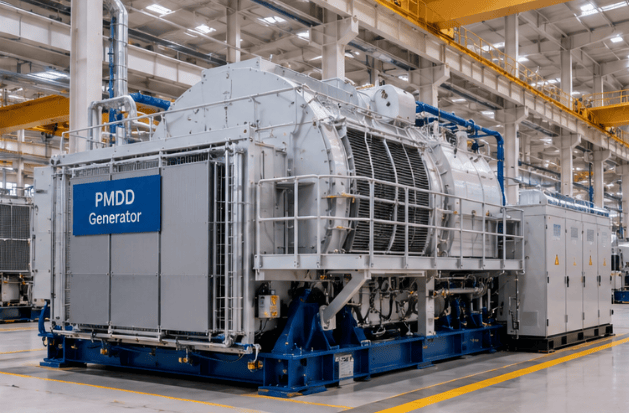
Permanent magnets are one of the most important components. High-performance rare-earth magnets can provide strong magnetic performance and help improve power density and efficiency. At the same time, magnet price volatility, supply concentration, demagnetization risk and high-temperature behavior must be considered during design and procurement.
For engineers, magnet grade alone is not enough. Corrosion protection, fixing method, operating temperature, demagnetization margin and supply chain stability are also important. A generator with good laboratory performance may face reliability problems if magnet protection and thermal design are weak.
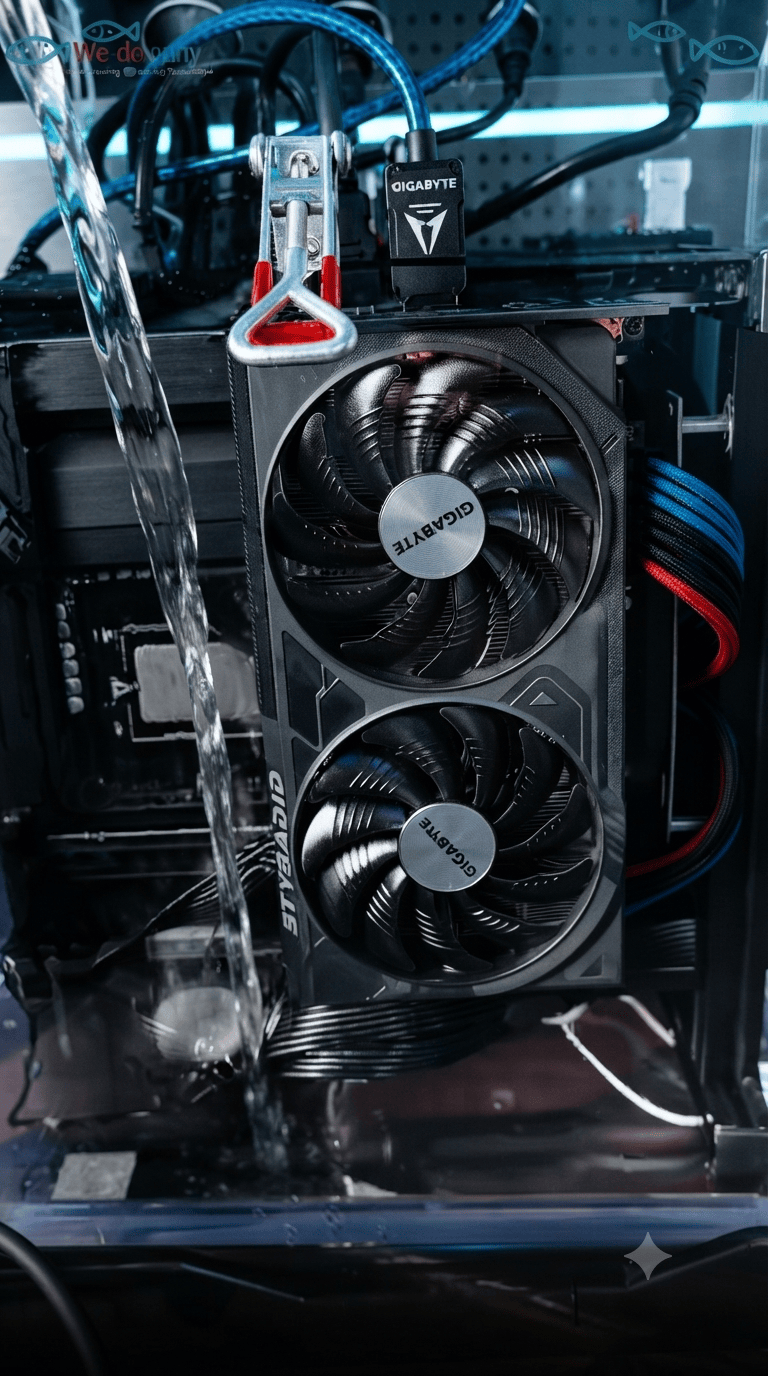
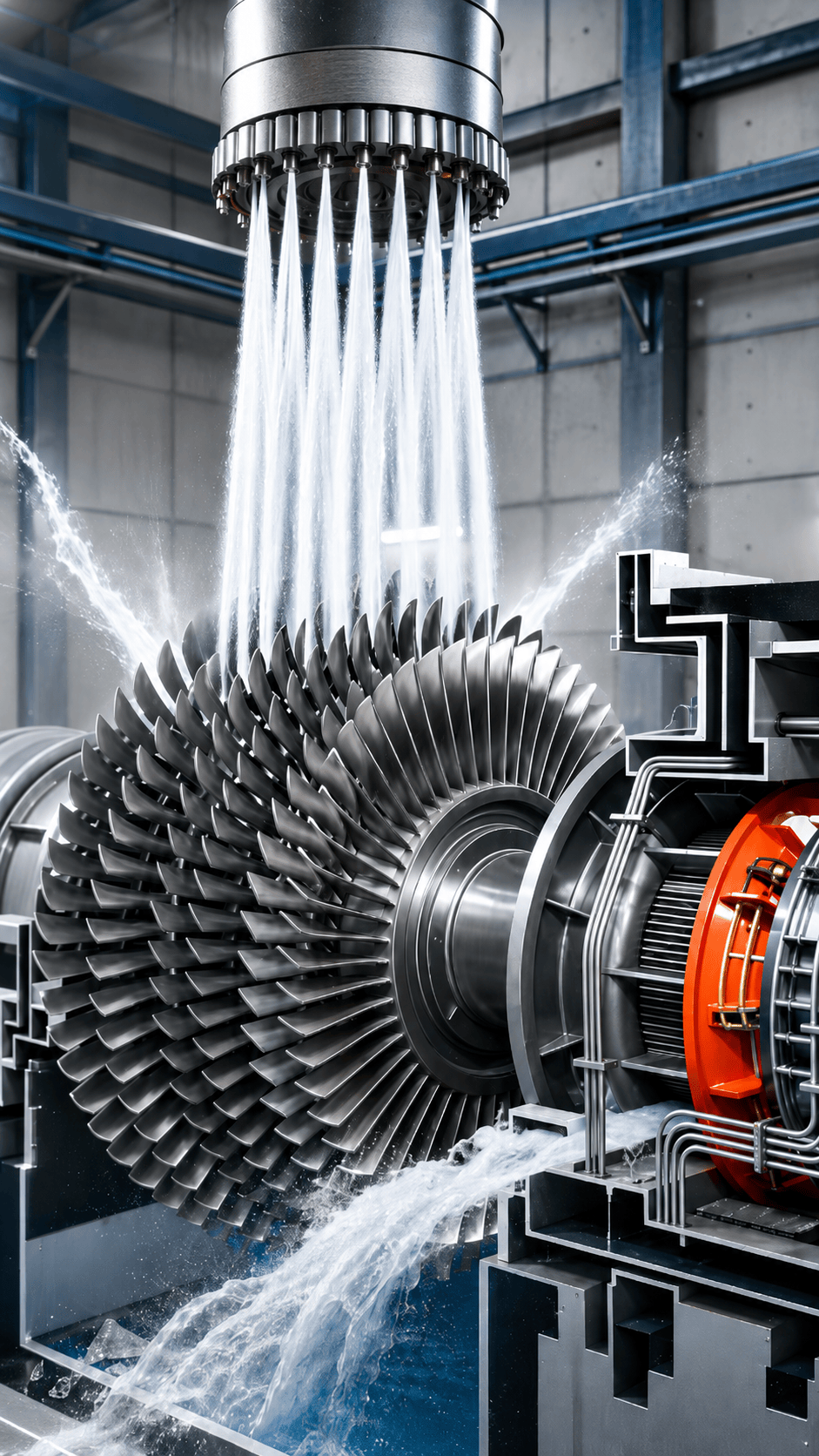
Cooling is another key factor. Large low-speed generators produce copper loss, iron loss and stray loss during operation. If heat is not removed effectively, winding insulation life, magnet performance and bearing condition may be affected. Air cooling, water cooling, liquid cooling and combined cooling systems each have different application ranges. For offshore turbines and turbines in hot regions, cooling redundancy, sealing and maintainability become especially important.
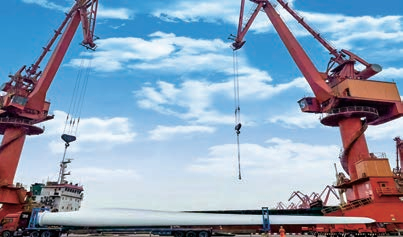
Structural design also shapes project economics. Direct-drive generators are large in diameter and heavy. Designers need to balance tower load, nacelle layout, lifting and transport limits, air-gap control and vibration behavior. Excessive weight increases turbine loading and installation cost, while insufficient stiffness may create uneven air gaps, higher vibration or abnormal bearing stress.
In the future, competition will become more detailed. Turbine manufacturers and wind farm owners will not evaluate only rated power. They will also consider efficiency, temperature rise, maintenance interval, failure rate, supply risk and total life-cycle cost. Generator suppliers that integrate electromagnetic design, materials, thermal management, structure and control systems will have stronger opportunities in large wind turbine platforms.
Related Products
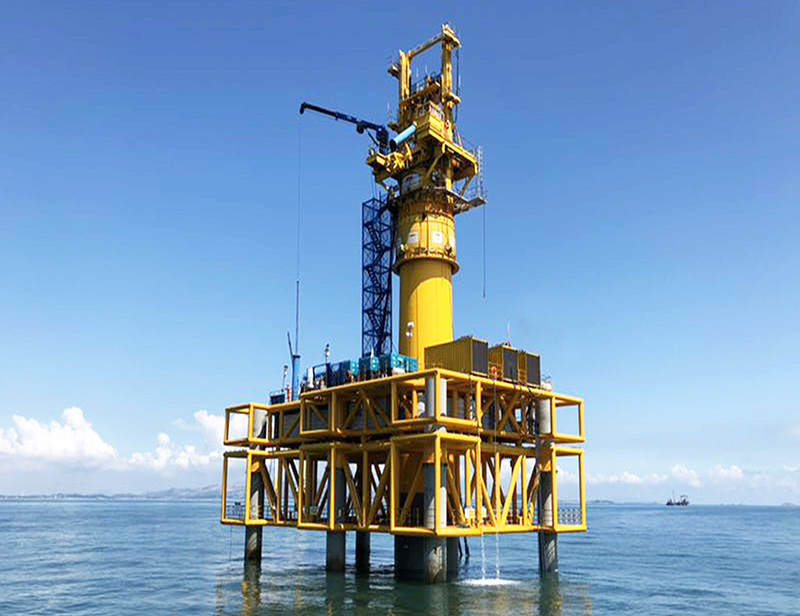

CITIC Heavy Industries Offshore Wind Power Equipment Hydraulic Pile Hammer
CITIC Heavy Industries Co., Ltd.
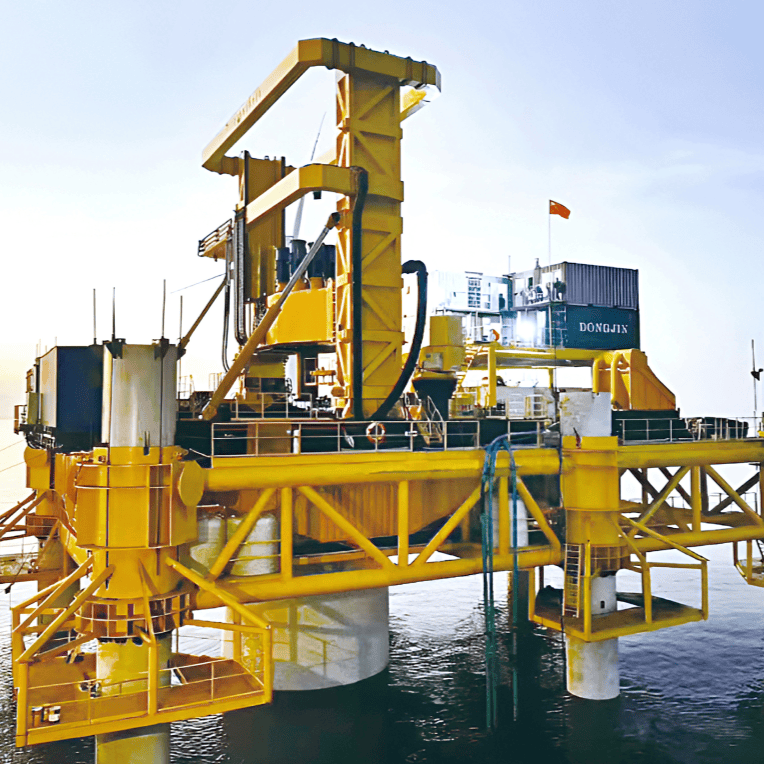
Pressurized Drilling Vertical Boring Machine
CCCC Tianhe Mechanical Equipment Manufacturing Co., Ltd.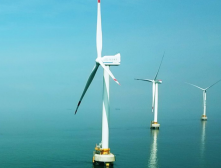
Wind Turbine Generator
Dongfang Electric Corporation Dongfang Electric Machinery Co., Ltd.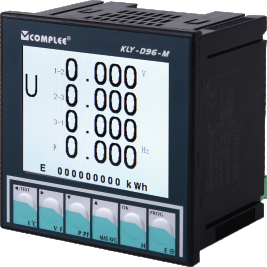
Digital Multifunctional Electrical Measuring Instrument
Shanghai Complee Instrument Co.,Ltd.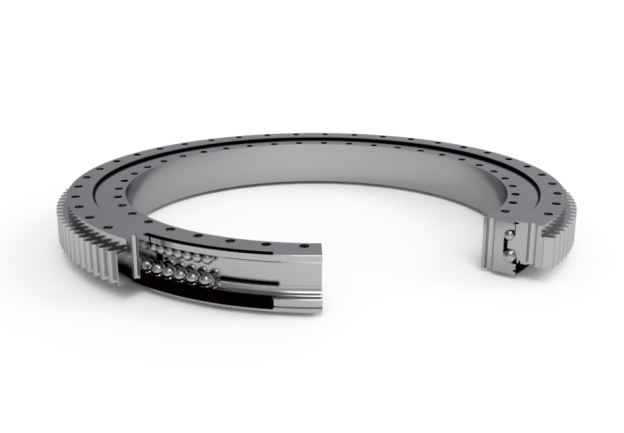
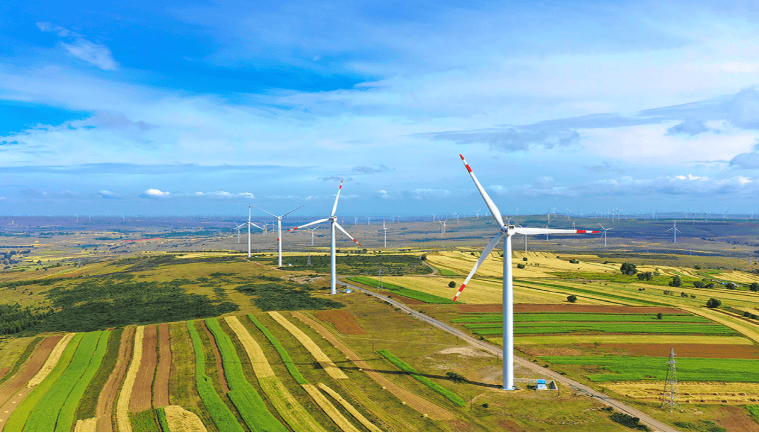
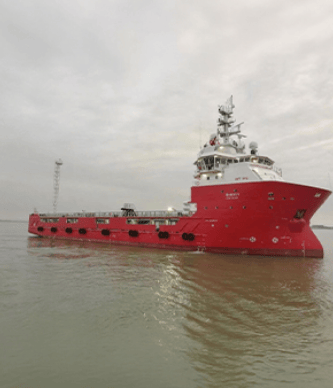
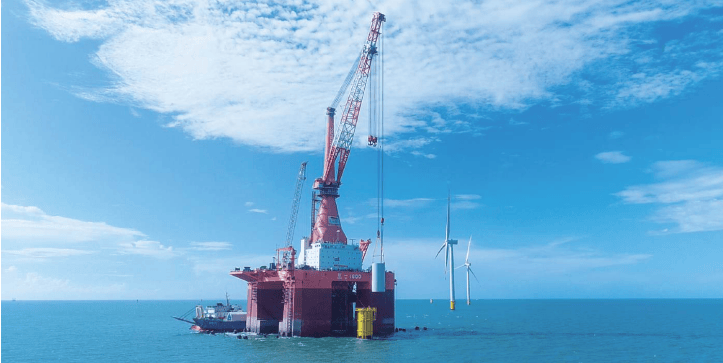
"Shunyi 1600" Deep-submerging Bottom-sitting Multi-functional Wind Power Engineering Vessel
Zhengli Offshore Engineering Co., Ltd.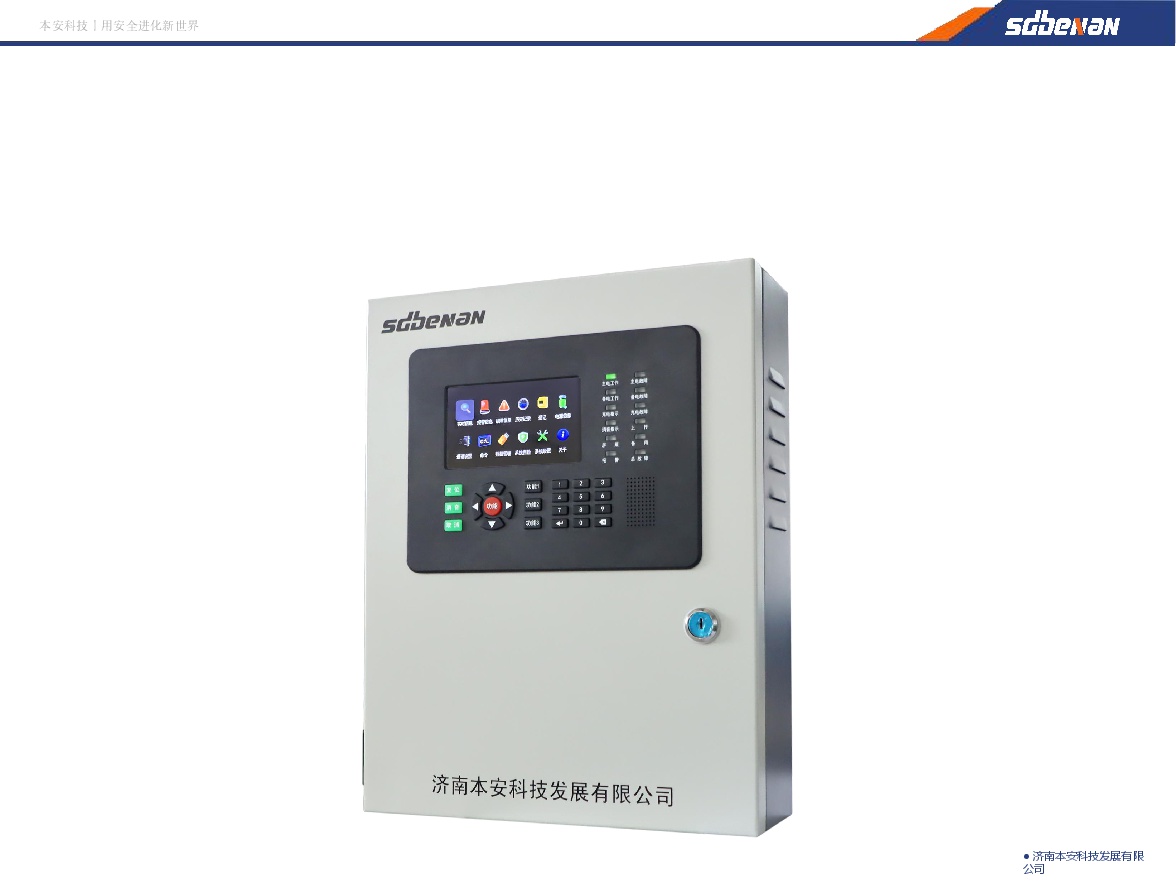
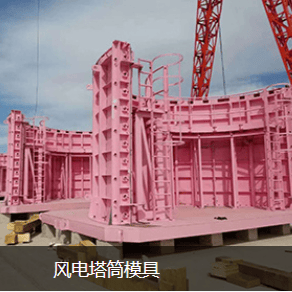
Wind Power Tower Mold
Qinhuangdao Tianye Tolian Heavy Industry & Technology Co., Ltd.