Chemical Dosing Is Becoming a Core Control Point in Water Treatment
en.Wedoany.com Reported - A Chemical Dosing System is becoming a key process-control unit in water treatment, wastewater treatment, cooling water systems, boiler water treatment, desalination, industrial wastewater and municipal supply projects. It is no longer only a simple combination of a metering pump, chemical tank and pipework.
In modern treatment plants, dosing accuracy and stability directly affect coagulation, pH adjustment, disinfection, phosphorus removal, scale inhibition, sterilization, sludge dewatering and effluent quality. If the dosage is too low, treatment performance may be insufficient. If the dosage is too high, chemical cost increases and downstream processes may be affected.
Water quality changes with season, flow, temperature and operating conditions. Raw water turbidity, pH, alkalinity, organic matter, hardness and pollutant concentration are rarely constant. This means dosing systems need to move from fixed dosing toward demand-based dosing.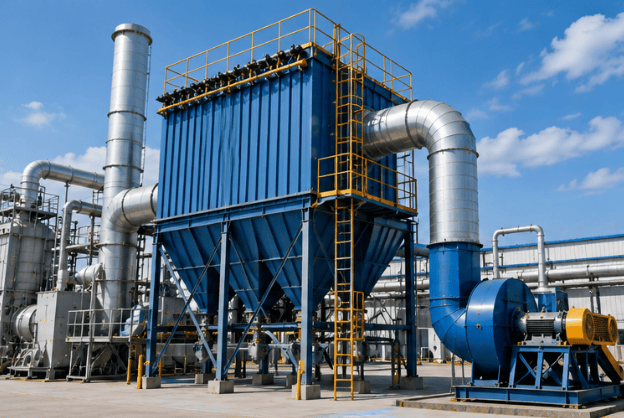
A complete dosing system usually includes chemical storage tanks, mixers, metering pumps, back-pressure valves, safety valves, pulsation dampeners, flow meters, level meters, pipelines, valves, control cabinets and online instruments. In automated projects, the system may connect to PLC, SCADA or plant control systems. Dosing can then be adjusted according to signals such as pH, ORP, residual chlorine, turbidity, conductivity, flow rate or chemical concentration.
Different chemicals require different system designs. Coagulants, polymers, lime, acids, alkalis, sodium hypochlorite, antiscalants, reducing agents, phosphorus removal chemicals and biocides differ in concentration, corrosiveness, viscosity, crystallization tendency, storage stability and safety risk. Pump head material, sealing structure, pipeline compatibility, mixing method, leakage protection and operator safety must all be considered.
In the future, chemical dosing systems will become more intelligent and data-based. Online monitoring, automatic feedback control, remote alarms, chemical consumption statistics and equipment operation records can reduce dependence on manual experience, lower chemical use and improve effluent stability. For water treatment projects, chemical dosing is becoming an important control node for process stability, cost management and compliance.
Related Products

Forest and Grassland Heat Source Infrared Monitor
China Huayun Meteorological Technology Group Co., Ltd.
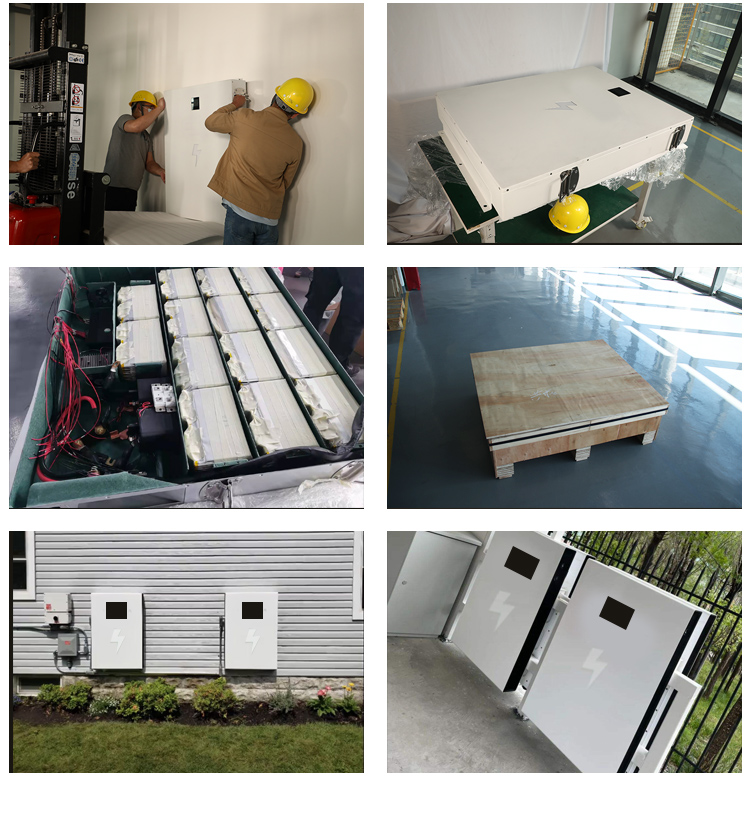
Safe, efficient, intelligent energy storage, creating smart homes and making life more convenient# Home Energy Storage # Supercapacitors # Energy Storage # Wall Mounted # Safe Electricity Use
Gonghe Power Co.,LTD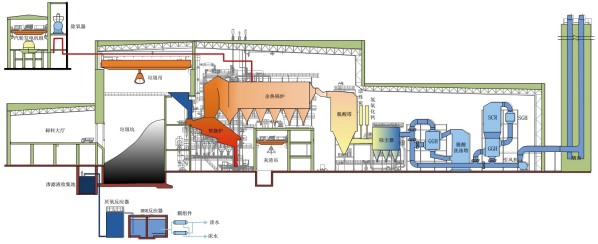
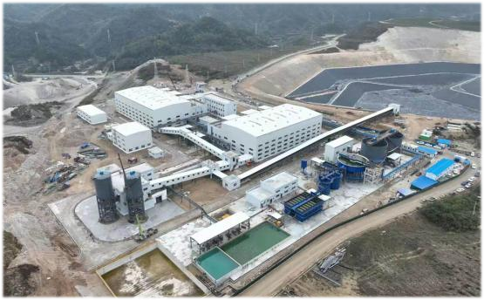
Yingping Mining Section Open-pit Tailings Backfill Treatment of Goaf Ecological Restoration EPC Project
China Bluestar Lehigh Engineering Corporation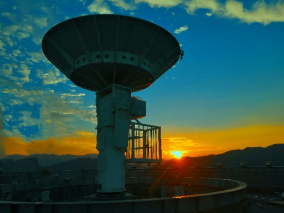
714CD Series C-Band Weather Radar
Chengdu Zhongdian Jinjiang Information Industry Co., Ltd.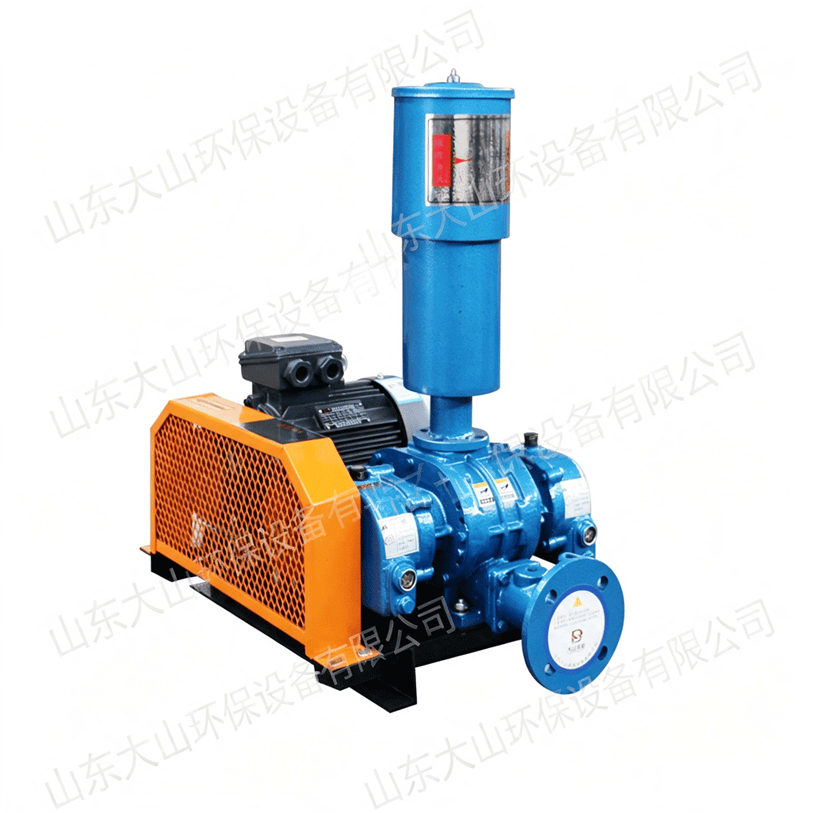
Roots Blower Aquaculture Bottom Aerator Microporous Aeration Tube Compatible Three-Lobe High Pressure Energy-Saving Oxygenation
Shandong Dashan Environmental Protection Equipment Co., Ltd.