Industrial Dust Control Is Becoming a Core Part of Safe and Green Manufacturing
en.Wedoany.com Reported - Dust Removal Equipment is moving beyond the role of end-of-pipe environmental protection. In industries such as steel, cement, mining, building materials, metallurgy, foundry, woodworking, grain processing, chemicals, battery materials and waste incineration, dust control affects not only emission compliance, but also equipment life, workplace conditions, product quality and operational safety.
Industrial dust sources are highly diverse. Particle size, concentration, moisture, temperature, stickiness, abrasiveness and combustibility can vary widely from one process to another. Dust from crushing and screening may be coarse and abrasive. Cement and metallurgical fumes may involve high temperature and complex composition. Wood dust, coal dust, grain dust and some chemical dusts may create combustible dust risks. This means equipment selection should not be based only on air volume and filter area.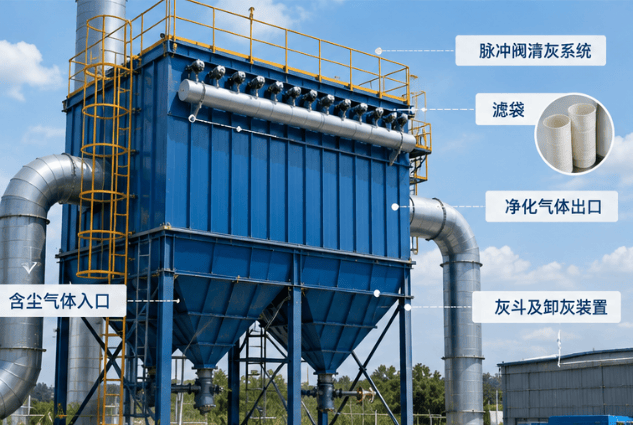
Baghouse filters are widely used in industrial dust collection because they can handle many fine-particle applications and offer mature maintenance practices. Their performance depends on filter material, cleaning method, airflow distribution, inlet temperature control and anti-condensation design. If dust contains high moisture or strong stickiness, filter bags may become blocked or hardened. For high-temperature, corrosive or abrasive gas streams, special filter media may be required.
Electrostatic precipitators still have value in large-volume and high-temperature flue gas applications, including power, cement and metallurgical processes. They can operate with relatively low pressure drop, but their performance is affected by dust resistivity, gas temperature, humidity and electric field condition. Wet scrubbers can be useful where dust is moist, sticky or needs to be washed and cooled, but wastewater treatment and secondary pollution must be considered.
The future competition in dust removal systems will not be defined only by equipment price. It will depend on system stability, safety and maintenance capability. A mature solution should consider dust hoods, duct velocity, fans, collectors, ash discharge, online monitoring, explosion relief, fire interlocks and maintenance procedures as one integrated system.
For industrial users, dust removal equipment is not only a compliance tool. It is infrastructure for reducing fugitive dust, improving workshop conditions, lowering safety risk and supporting cleaner manufacturing.
Related Products
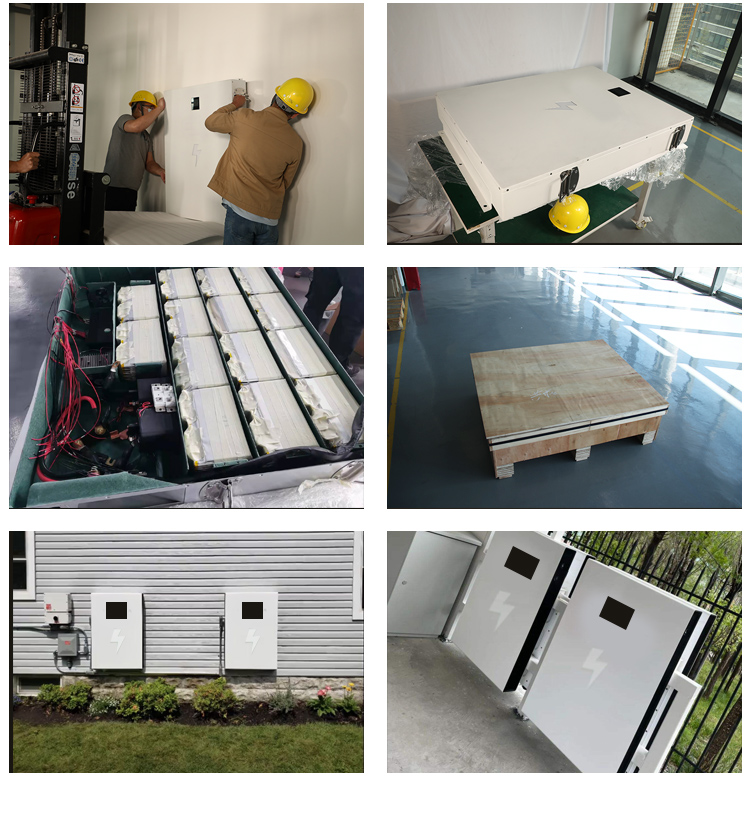

Safe, efficient, intelligent energy storage, creating smart homes and making life more convenient# Home Energy Storage # Supercapacitors # Energy Storage # Wall Mounted # Safe Electricity Use
Gonghe Power Co.,LTD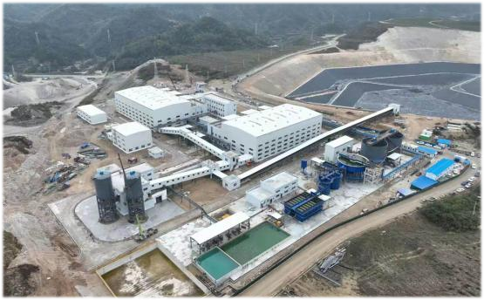
Yingping Mining Section Open-pit Tailings Backfill Treatment of Goaf Ecological Restoration EPC Project
China Bluestar Lehigh Engineering Corporation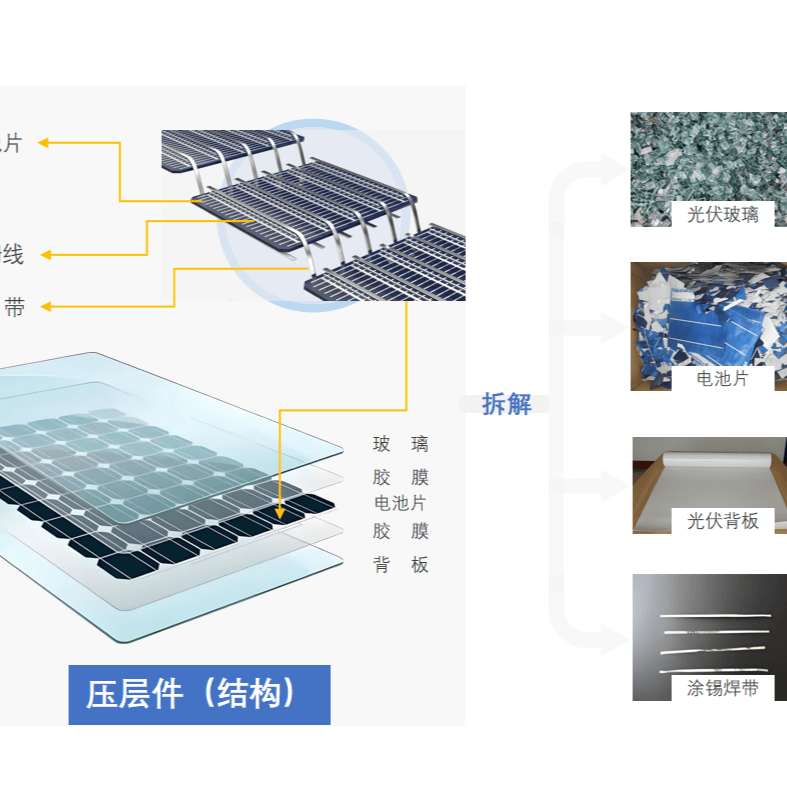
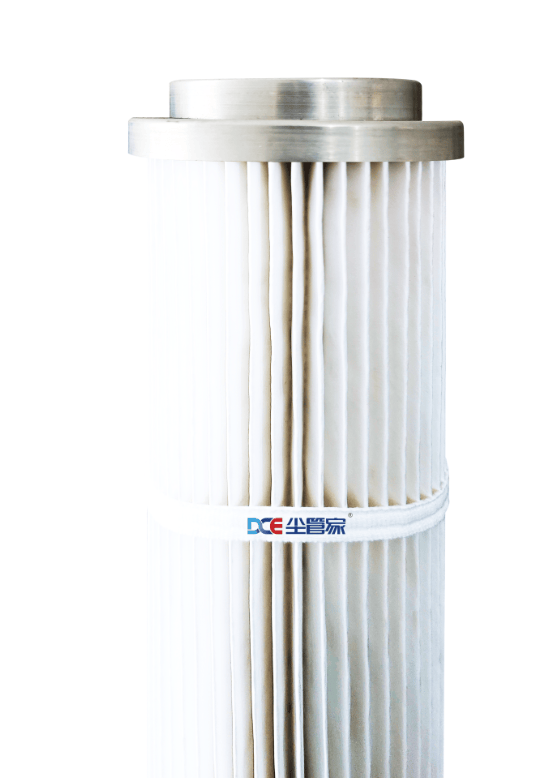
DCE High-Efficiency Energy-Saving Filter Cartridge
Zhejiang Hongsheng New Material Technology Group Co., Ltd.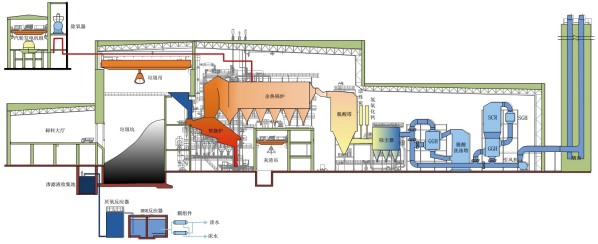
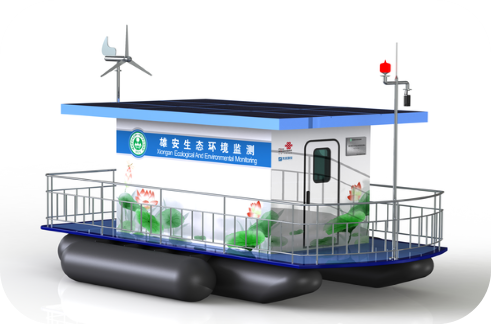
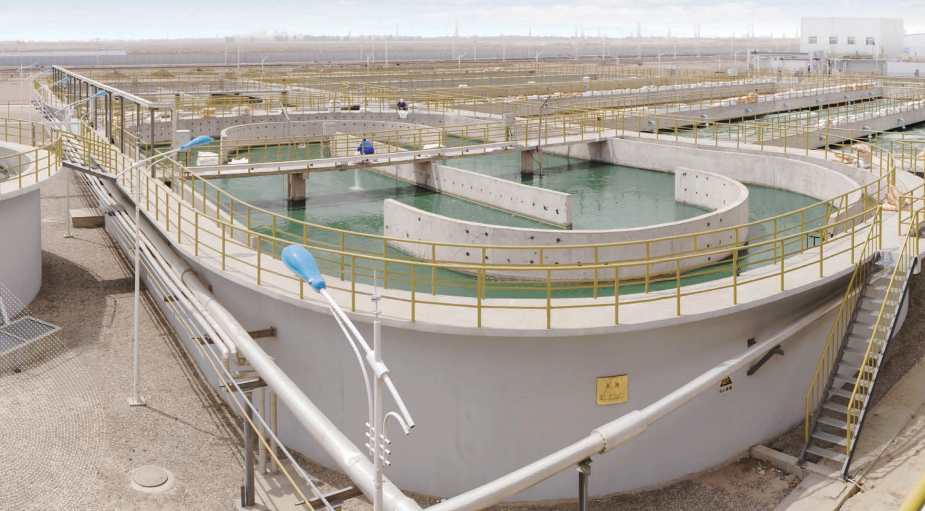
Floating Boat Water Quality Automatic Monitoring System
Hebei Sailhero Environmental Protection High-tech Co., Ltd.

Electromagnetic Fluid Seawater Floating Oil Separation and Recover Equipment
Huate Magnet Group Co., Ltd.
714CD Series C-Band Weather Radar
Chengdu Zhongdian Jinjiang Information Industry Co., Ltd.