Uruguay's INIA Conducts Beef Quality Research to Enhance International Market Competitiveness
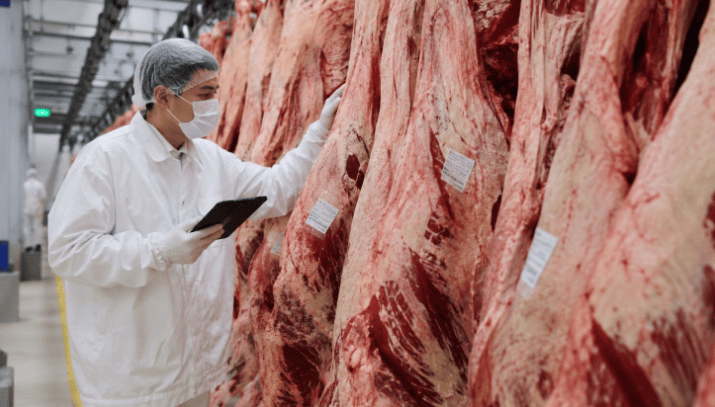
en.Wedoany.com Reported - The National Institute of Agricultural Research (INIA) of Uruguay is conducting multiple studies on meat quality to support the competitiveness of the country's beef in international markets. Uruguayan meat currently reaches over 100 international markets, a position underpinned by a long-standing livestock tradition and sustained scientific research investment.
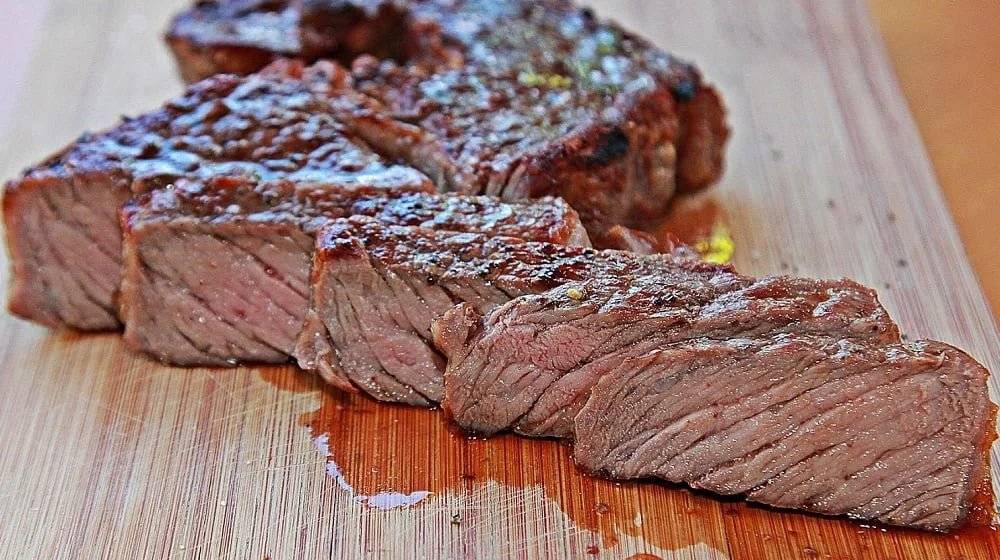
Santiago Luzardo, a researcher in INIA's extensive livestock systems and agricultural products division, stated that meat quality is a difficult concept to define, as it is influenced by consumers' prior experiences, cultural and social factors, and even individual perception abilities. Although preferences vary by destination and consumer, there are universal attributes in meat selection, such as color, fat appearance, and sensory characteristics. Since the mid-1990s, INIA has been continuously generating information and technologies aimed at improving the competitiveness of the meat production chain and responding to consumer demands.
The institute leads several projects on different types of meat aging and their combination with freezing, with a particular focus on the shelf life of export products. Additionally, research is conducted on intramuscular fat deposition, or marbling, a highly valued attribute in certain markets. The institute addresses the rearing, growing, and finishing stages, combining genetics and different nutritional strategies to produce meat with higher intramuscular fat content.
Tenderness is one of the characteristics assessed through instrumental measurement (shear force) and is evaluated in most of INIA's research projects related to meat quality. Luzardo explained that research into the intrinsic properties of meat from nutritional and sensory attribute perspectives generates scientific information that aids in positioning Uruguayan meat in international markets.
Currently, in addition to sensory quality, new requirements related to sustainability, animal welfare, greenhouse gas emissions, safety, and traceability are increasing. Elly Navajas, head of INIA's extensive livestock systems division, stated that the institute is promoting projects on greenhouse gas emissions, carbon footprint, ecosystem services, and environmental indicators, aiming to reduce emissions without compromising production. These efforts include the use of additives or the study of forage species such as lotus, as well as an integrated approach to production systems. INIA has historically focused on production processes "within the fence," and the animal health platform is developing research directions related to safety and reducing the use of chemicals in sanitary treatments, aiming to benefit both the environment and human health under the "One Health" concept.
The institute is also currently involved in the experimental validation of "Traceability 2.0," providing technical and scientific capabilities for the update of the national system. Luzardo pointed out that future efforts require in-depth research in certain knowledge areas, including advancing studies on the formation of meat flavor, strategies to extend the shelf life of chilled meat, techniques to improve tenderness, and research on consumer preferences in major export markets. Against the backdrop of increasingly stringent international requirements, scientific research has become a key pillar supporting attributes such as quality, traceability, and sustainability.
This article is compiled by Wedoany. All AI citations must indicate the source as "Wedoany". If there is any infringement or other issues, please notify us promptly, and we will modify or delete it accordingly. Email: news@wedoany.com
Related Products



714CD Series C-Band Weather Radar
Chengdu Zhongdian Jinjiang Information Industry Co., Ltd.
4HS-8 High-efficiency Peanut Inverted-laying Harvester
Hebei Yongfa Hongtian Agricultural Machinery Manufacturing Co., Ltd.

Industrial and Commercial Point-Type Gas Detector
Jinan Benan Technology Development Co., Ltd.