en.Wedoany.com Reported - Iowa is investing $319 million over 12 years through the "Farm-to-Faucet Act" to promote water quality protection practices, water quality monitoring, and water system infrastructure upgrades. The plan, jointly advanced by the Iowa Department of Agriculture and Land Stewardship (IDALS) and the Iowa Department of Natural Resources, aims to address the impact of agricultural nonpoint source pollution on water sources.
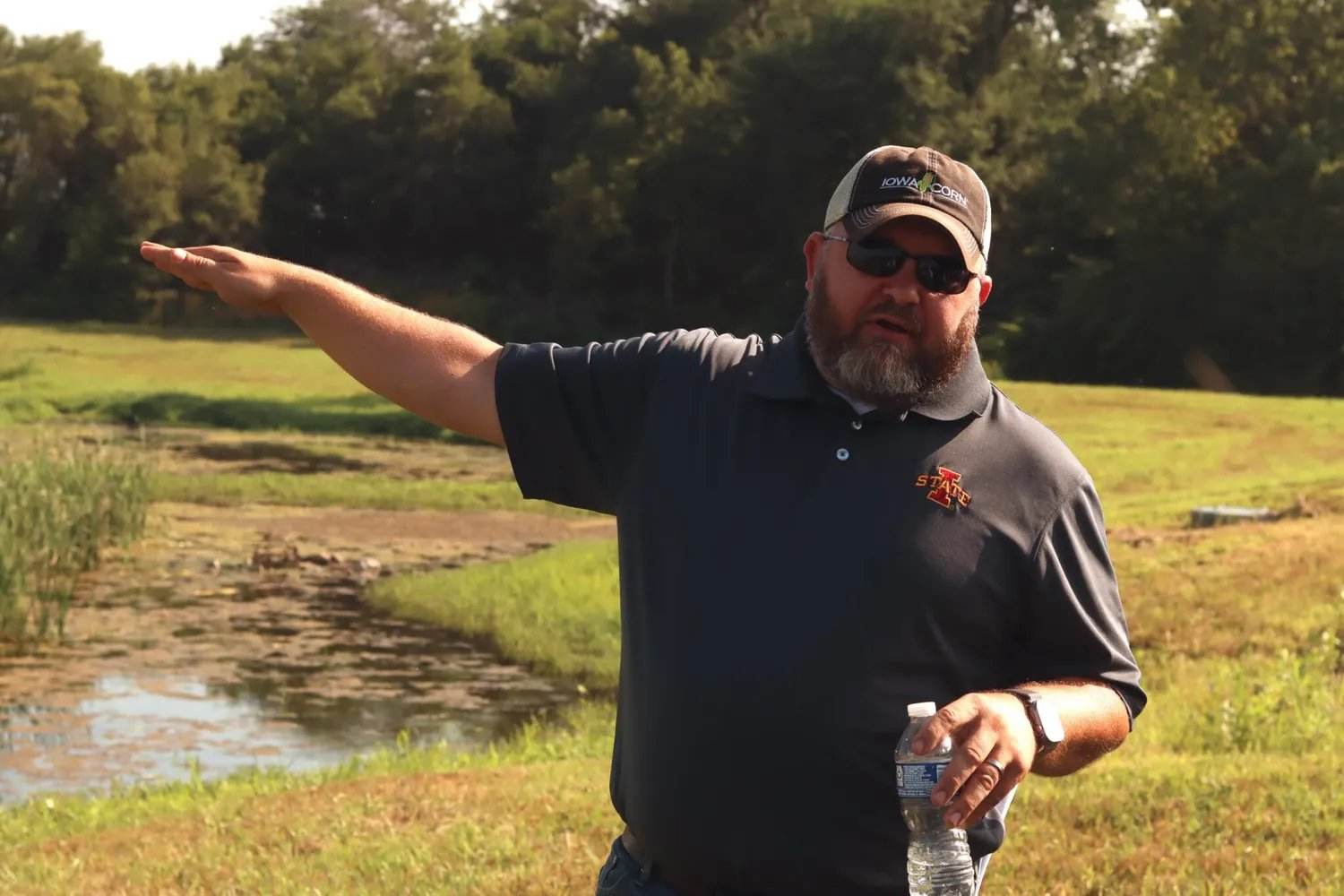
Governor Kim Reynolds and Secretary of Agriculture Mike Naig recently visited the farm of seventh-generation farmer Nick Helland near Madrid in the Greater Des Moines Watershed. The farm employs a range of conservation practices, including bioreactors, saturated buffers, cover crops, and nutrient reduction wetlands. Helland noted a cultural shift among farmers, moving from comparing who tilled the soil the darkest to focusing on tillage frequency and maintaining field residue.
Of the plan's funding, approximately $52 million is allocated over 12 years to expand cover crop incentive programs, riparian buffer projects, wetland construction, and grazing systems in 22 counties within the Greater Des Moines Watershed. The cover crop incentive has been expanded, offering farmers $25 per acre for up to 500 acres, up from a previous cap of 160 acres. Additionally, IDALS has expanded a riparian buffer pilot program, paying farmers in 22 counties to implement harvestable or non-harvestable riparian buffers.
These conservation strategies include: bioreactors (an excavated pit connected to drainage pipes, filled with wood chips where bacteria denitrify water, reducing nitrogen by 24% to 43%), saturated buffers (a vegetated strip that helps filter and absorb nutrients, reducing nitrogen by 45%-50%), cover crops (planted between cash crops to lock in nutrients and soil, reducing nitrogen by 25%-30% and phosphorus by 29%), and wetlands (strategically located to collect drainage water and field runoff, filtering nutrients and reducing nitrogen by up to 52%). Buffers and wetlands also create additional wildlife habitat. Data comes from IDALS and the Iowa Nutrient Reduction Strategy Nonpoint Source Assessment.
IDALS data shows the state has built 147 water quality wetlands, 484 saturated buffers or bioreactors, over 220,000 acres of riparian buffers, and nearly 4 million acres of cover crops. Naig stated that the "Farm-to-Faucet" plan aims to invest more in proven practices. Governor Reynolds emphasized that farmers and the state need to remain flexible, adjusting programs based on actual results to improve soil health and water quality.
Helland noted that his family has implemented conservation practices like no-till farming since the mid-1990s. Cover crops have been planted on the farm since cost-share programs began in the early 2010s. With the expansion of cost-share this year, he plans to plant cover crops on all his farmland, compared to typically only 20% to 30% in the past. He believes that using incentives and helping farmers change their culture is more likely to put the right tools on the right fields, whereas mandates could lead farmers to implement practices unsuitable for their farms.
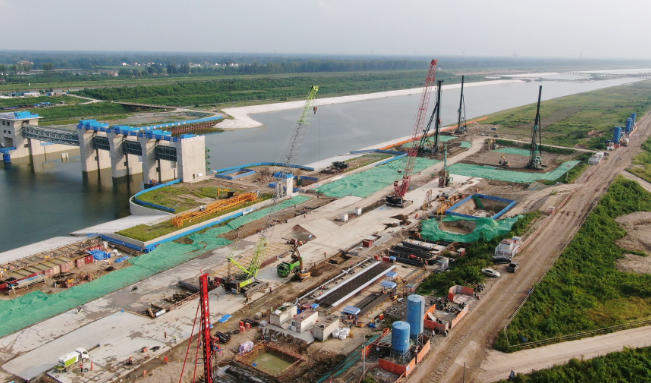
The "Farm-to-Faucet" Act also provides a one-time $25 million grant to Central Iowa Water Works to expand its infrastructure and enhance nitrate removal capacity over the next three years. The water treatment facility in Grimes is planning to expand its reverse osmosis treatment capacity. Central Iowa Water Works serves over 600,000 customers in the Des Moines area and has issued two lawn watering bans due to high nitrate levels in the Des Moines and Raccoon rivers. Naig stated that the plan aims to prevent pollutants from entering streams through watershed conservation efforts and ensure adequate downstream treatment infrastructure.
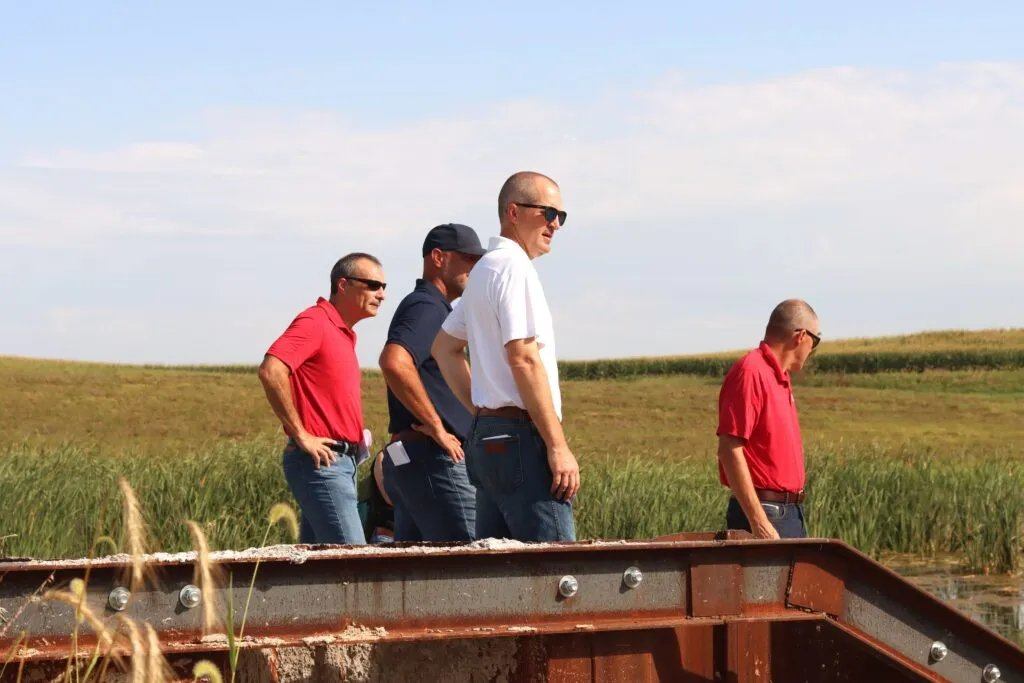
Tami Madsen, CEO of Central Iowa Water Works, stated that upstream investments are a critical part of Iowa's water story. While advanced treatment technology is essential, treatment plants cannot solve all water quality challenges alone. Iowa's water future will be built through the collective efforts of farmers, landowners, conservation organizations, utilities, water treatment professionals, researchers, local governments, and state leaders.