Mongolian Prime Minister Demands Early Start to 2026-2027 Winter and Spring Preparations
en.Wedoany.com Reported - Mongolian Prime Minister N. Uchral held an online meeting with heads of provincial and municipal governments on July 20, 2026, demanding that the country begin preparations for the 2026-2027 winter and spring seasons ahead of schedule, assess risks early, and take targeted measures to ensure the supply of essential goods for the people.
The meeting focused on preparations for agricultural and livestock wintering, grain reserves, energy security, urban heating, and improving the service capacity of local governments. Deputy Prime Minister S. Nomsaikhan, Minister of Environment and Climate Change O. Sodbileg, Minister of Food, Agriculture and Light Industry Kh. Bolorchuluun, and Minister of Energy B. Nandaa attended the meeting, providing opinions and responding to relevant issues raised by local government heads.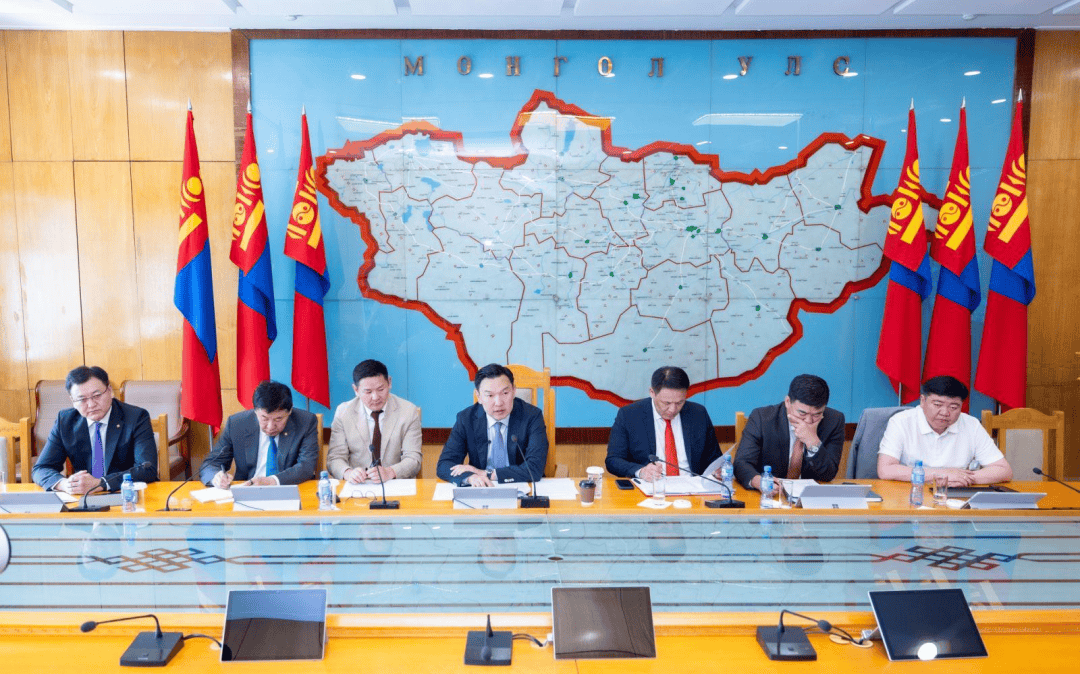
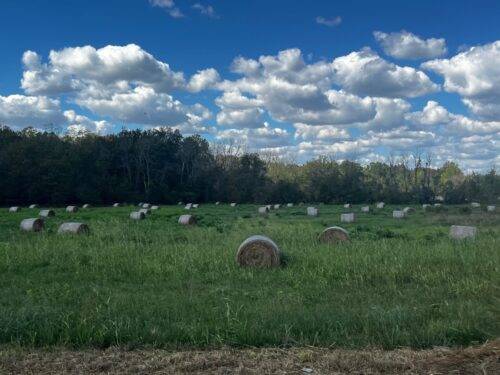
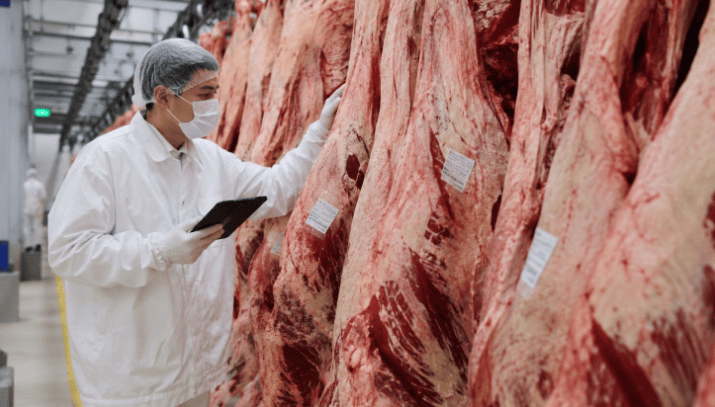
The government required provincial and municipal governments to prepare for winter and spring in the food, agriculture, and livestock sectors in accordance with relevant resolutions adopted on July 9, 2026, and to work with the relevant ministers to promote unified management and rapid implementation. Each region must clarify the following tasks: determine the required safe stock levels of hay and fodder for winter reserves, and determine the amount of meat reserves based on the food needs of urban residents in the spring of 2027. Mongolia's livestock sector is highly dependent on natural conditions, and the risk of winter "dzud" has always been a significant factor affecting herder production and food supply. The government demanded the early completion of strategic reserves of fodder, feed, and meat.
At the same time, the General Authority for Veterinary Services must carry out high-quality animal disease prevention work according to technical cycles, stockpile necessary medicines, medical supplies, and testing equipment, and ensure that specialized vehicles, equipment, and technical personnel are in a state of readiness. Provincial and municipal governments must support the work of professional institutions responsible for controlling animal infectious diseases and major animal epidemics.
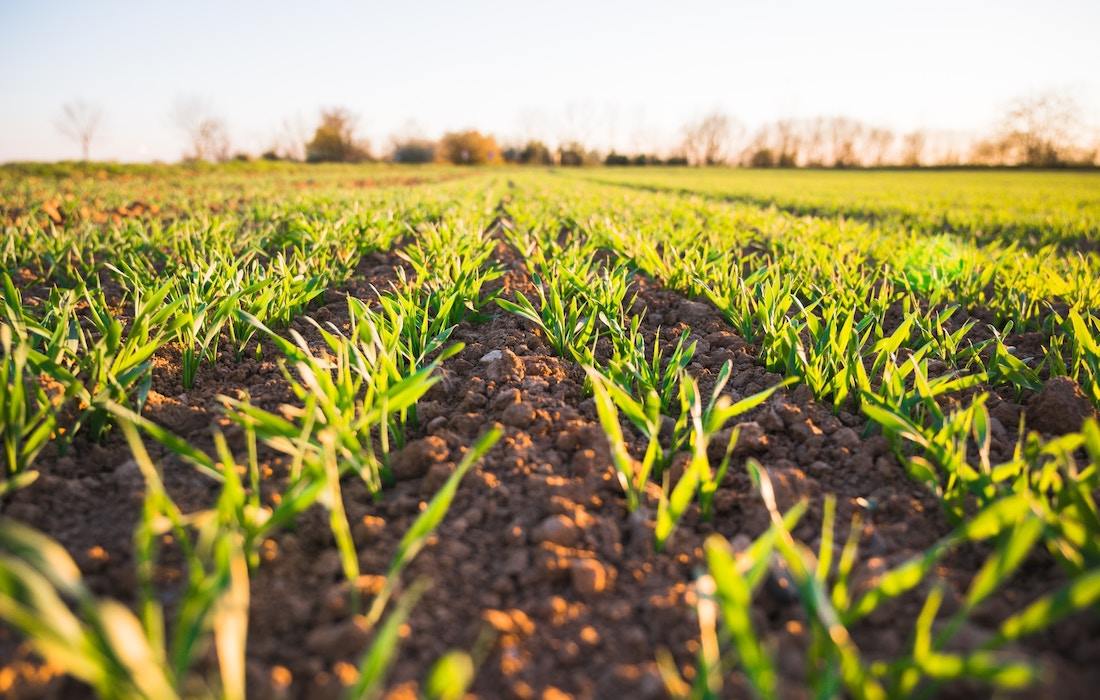
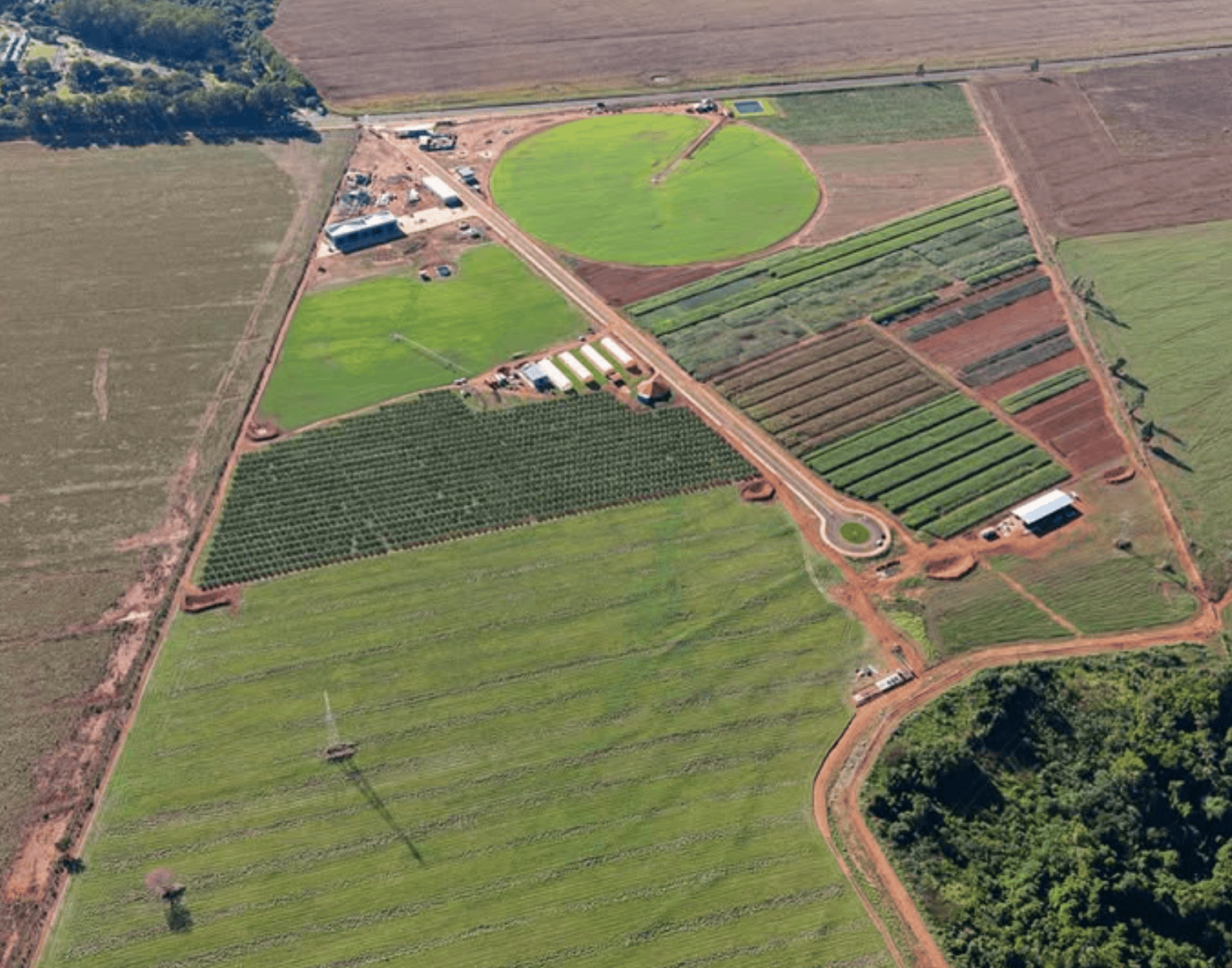
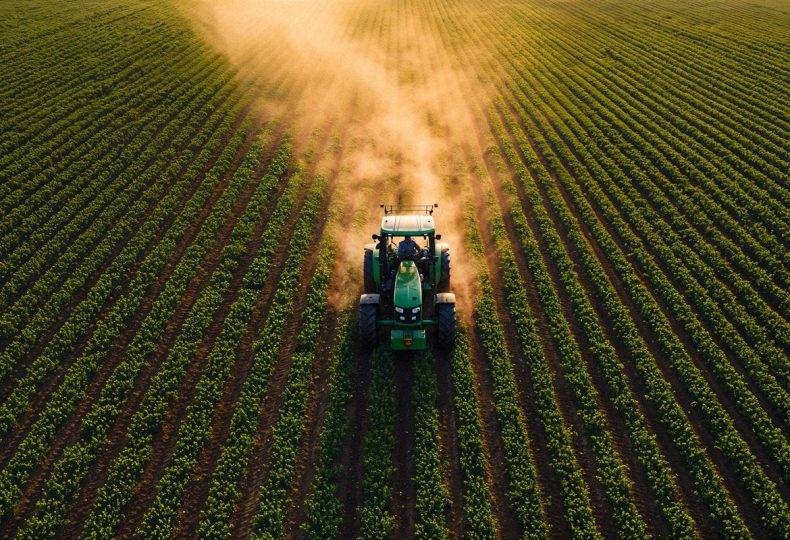
In terms of agricultural production, the government required Minister of Environment and Climate Change O. Sodbileg and the General Authority for Border Protection of Mongolia to create conditions for herders to move livestock to winter pastures and conduct spring grazing within state-designated special-purpose land. Minister of Food, Agriculture and Light Industry Kh. Bolorchuluun must complete the annual production estimate balance by different crop categories by August 20, 2026, and ensure in advance the human resources, machinery, and equipment needed for the autumn harvest, as well as preparations for grain, potato, and vegetable storage, cellars, and grain silos. To ensure the autumn harvest, the government plans to organize students from vocational education institutions and higher education institutions, trainees, and conscripts to participate in agricultural production. Minister of Education L. Enkh-Amgalan, Minister of Defense D. Bat-Erdene, and Minister of Food, Agriculture and Light Industry Kh. Bolorchuluun must ensure that the course schedules of relevant students and personnel are not affected, while also guaranteeing wages, working conditions, and occupational safety. Furthermore, the government demanded the establishment of a strategic wheat reserve and a seed reserve for the 2027 sowing season, incorporating necessary funding sources into the national budget arrangements.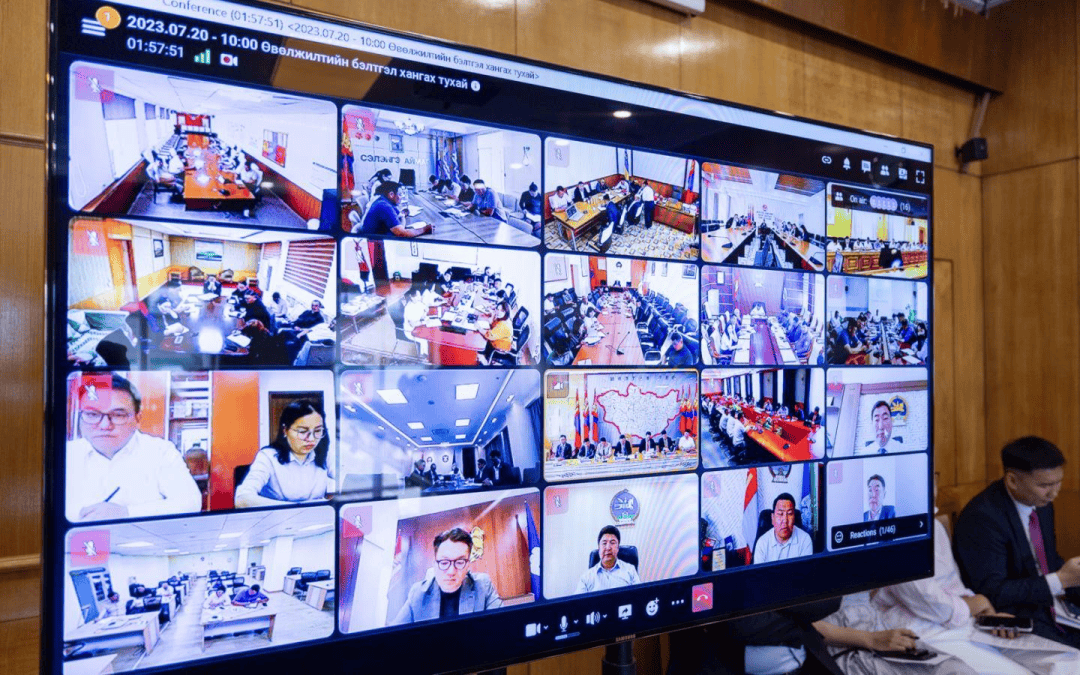
Regarding energy security, the government demanded the acceleration of the "Construction of Thermal Power Plants in 10 Provincial Capital Cities Project," and the construction of thermal power plants in areas with heating energy shortages through public-private partnerships. Each region must reassess winter risks and improve emergency preparedness for unforeseen circumstances. The government demanded the early establishment of strategic reserves of fuel, electricity, food, medicine, gasoline, hay, and fodder, and the preparation of logistics for transportation and distribution to remote soums. Maintenance work on heating stations and boiler rooms in central cities and soum centers must be completed by September 1, 2026, with required fuel and coal stockpiled in advance. Regarding the heating issue for residents of Ulaanbaatar's ger districts, the government demanded that the Mayor of Ulaanbaatar and Head of the Capital City focus on ensuring the supply of improved fuel and semi-coke fuel to residents during the 2026-2027 heating season.
Prime Minister N. Uchral clearly stated at the meeting that the performance evaluation of leaders at the capital, provincial, municipal, and district levels will focus on how they reduce administrative barriers and alleviate the burden on residents and businesses. The criteria for evaluating local governments are shifting from "how many tasks were completed" to "how many practical problems were solved." The Prime Minister demanded that each region submit its 2-3 most urgent issues through official documents for discussion and resolution at the following day's government meeting. He also required provincial and municipal government heads to make winter preparations their top priority and conduct weekly implementation checks. As the draft 2027 budget is scheduled to be submitted to the State Great Khural in September, local governments must seize the budget preparation window to prioritize requests for long-unresolved projects.
Deputy Prime Minister S. Nomsaikhan will be responsible for overseeing the implementation of winter preparation work in provinces and municipalities and plans to conduct on-site inspections in relevant areas. The government demanded that all regions complete their winter readiness preparations by September 15, 2026, and relevant ministers will also travel to local areas to study and coordinate the resolution of outstanding issues faced by each province. From fodder reserves to urban heating, from agricultural harvests to grassroots governance, Mongolia is proactively planning its next round of winter risk prevention and control. The core indicators for local governments' winter preparation work this year have changed: it is not only about ensuring supply but also about proving whether they have truly reduced the costs residents and businesses face when dealing with the administrative system.
Related Products
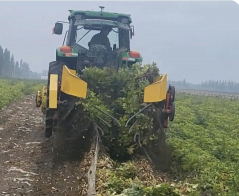

4HS-8 High-efficiency Peanut Inverted-laying Harvester
Hebei Yongfa Hongtian Agricultural Machinery Manufacturing Co., Ltd.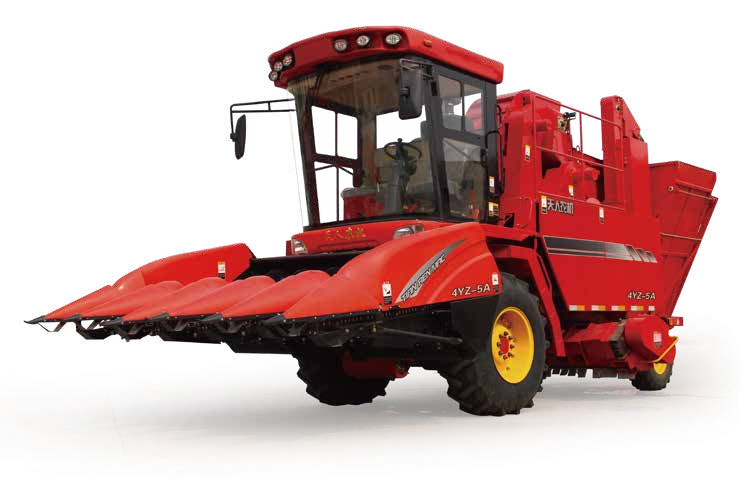
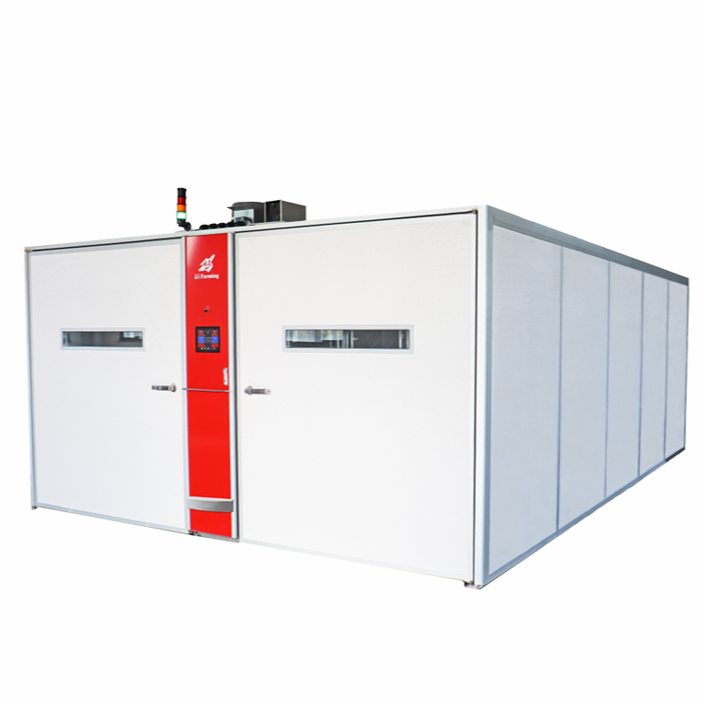


Industrial and Commercial Point-Type Gas Detector
Jinan Benan Technology Development Co., Ltd.
714CD Series C-Band Weather Radar
Chengdu Zhongdian Jinjiang Information Industry Co., Ltd.