US Army Corps of Engineers Launches $2.3 Million Dredging of Buffalo Harbor
en.Wedoany.com Reported - The US Army Corps of Engineers Buffalo District initiated dredging operations at Buffalo Harbor in July 2026, aimed at maintaining safe navigation channels for various vessels, including Great Lakes commercial ships and cruise ships, on Lake Erie. The dredged material will also be used to fill abandoned shipping slips in the Buffalo Outer Harbor, creating conditions for the establishment of new Great Lakes wetlands.
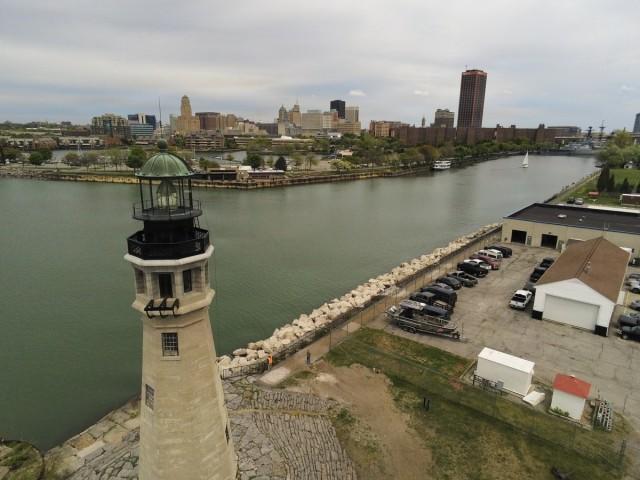
In April 2026, the Buffalo District signed a $2.3 million contract with Ryba Marine Construction Co., headquartered in Michigan, to carry out this dredging. Operations began as early as July 18, using mechanical dredging to remove approximately 190,000 cubic yards of sediment from federal navigation channels in the outer harbor and river. Of this, about 110,000 cubic yards will first be transported to a Corps confined disposal facility for storage, while the remaining approximately 80,000 cubic yards will be placed in abandoned shipping slip No. 3 near Wilkeson Point in the Buffalo Outer Harbor.
Placement of material in the slip is scheduled to begin on August 1 and is expected to be completed by August 25. During construction, paddlecraft such as kayaks will be prohibited from entering the slip waters to ensure safety.
Buffalo Harbor is a deep-draft commercial port, handling 1.2 million tons of cargo in 2023, primarily consisting of sand and gravel (26%), limestone (24%), and grain processing products (19%). The economic benefits of water transportation to the region include $51.5 million in commercial revenue, 169 jobs, and $14.6 million in transportation labor income. The port was last dredged in 2024, when approximately 80,000 cubic yards of material were removed. Buffalo Harbor is typically dredged every two years, with the actual frequency adjusted flexibly based on shoaling conditions, funding, and federal navigation priorities.
The authorized water depths at Buffalo Harbor range from 22 to 30 feet, with the shallowest point in the Buffalo River channel and the deepest in the south entrance channel. The Corps is responsible for maintaining these depths to ensure safe and efficient navigation for large vessels. Sediment dredged from the harbor will be tested in coordination with the US Environmental Protection Agency and relevant New York State agencies to confirm it meets environmental placement standards before use.
The Corps reminds mariners to exercise caution when navigating near active dredging equipment and maintain a safe distance from the work zone. This dredging activity has been coordinated to minimize disruptions to normal navigation.
Related Products

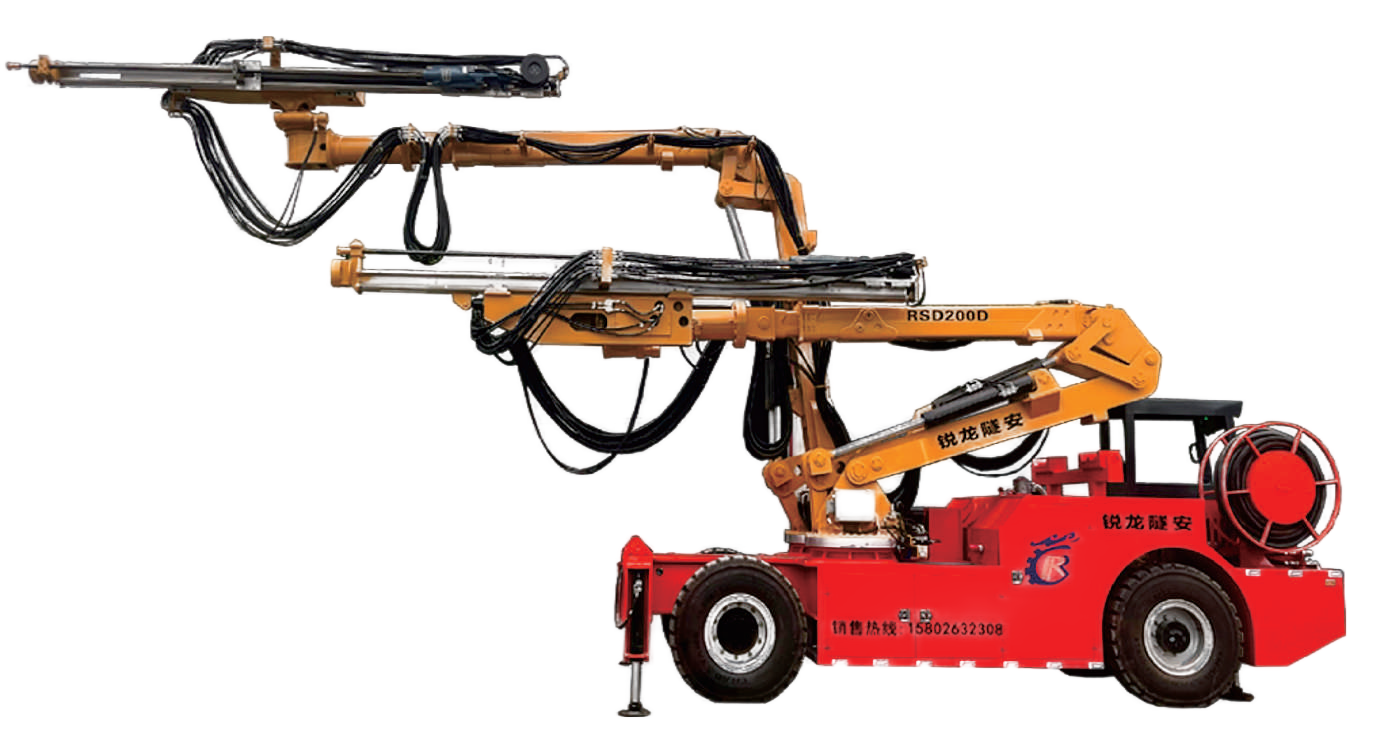
Dual-curved Arm Rock Drilling Trolley RSD200D
Chengdu Ruilong Machinery Manufacturing Co., Ltd.
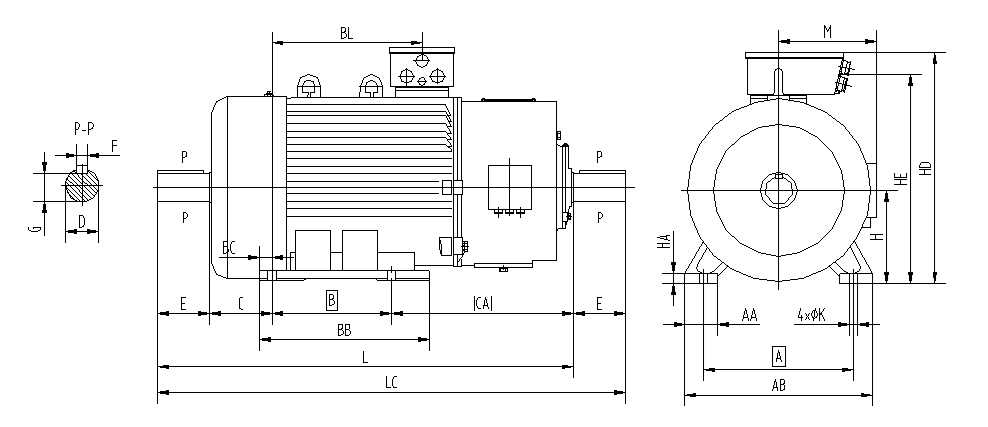
YZR (450-560) Series Wound Rotor Three-Phase Asynchronous Motors for Crane and Metallurgical Applications
Jiamusi Electric Machine Co., Ltd.
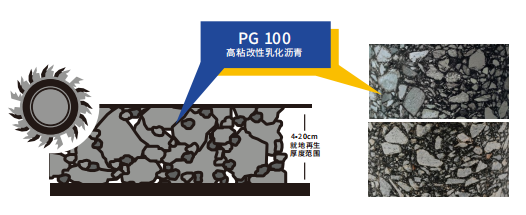
High-toughness in-Situ Cold Recycling Technology for Original Structural Layers
Central Fortune Creation Technology Group Co., Ltd.


Industrial and Commercial Point-Type Gas Detector
Jinan Benan Technology Development Co., Ltd.