USDA: 91% of Kentucky Corn Silking, 80% of Soybeans Blooming as of August 3
en.Wedoany.com Reported - The U.S. Department of Agriculture (USDA) released its latest crop progress report on August 3, summarizing weather conditions and the growth status of major crops in Kentucky in early August. During the week ending August 3, the state had 5.4 days suitable for fieldwork, compared to 5.3 days the previous week and 6.3 days during the same period last year.
According to USDA data, Kentucky's topsoil moisture was rated as 1% very short, 10% short, 78% adequate, and 11% surplus; subsoil moisture was rated as 1% very short, 11% short, 80% adequate, and 8% surplus.
Rob Nalley, an agronomist at Beck's Hybrids serving growers in Kentucky and southwestern Indiana, said timely rainfall continues to support corn grain fill and soybean pod set, with warm but generally manageable temperatures creating favorable conditions for crop development. He noted that Kentucky rarely receives consistent rainfall throughout the entire growing season, but this year most of the state has avoided prolonged drought, and disease and pest pressure has been relatively low, except for scattered areas affected by wind, flooding, or early frost.
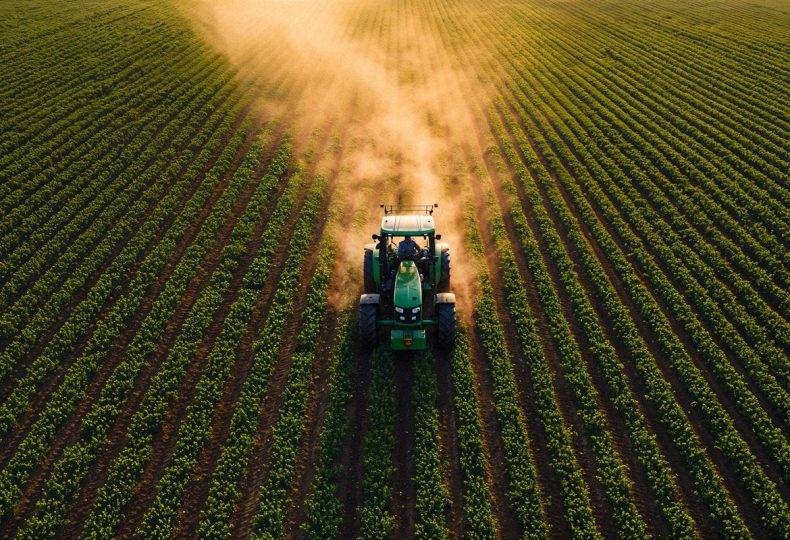
For corn, 91% of Kentucky's corn had reached the silking stage, up 4 percentage points from July 26, compared to 83% last year and the five-year average of 88%. 62% of corn had reached the dough stage, up 12 percentage points from the previous week, compared to 51% last year and the five-year average of 44%. 34% of corn had dented, compared to 19% last week and 19% during the same period last year, with the five-year average at 19%. For the week ending August 2, corn condition was rated 0% very poor, 9% poor, 22% fair, 56% good, and 13% excellent. Nalley stated that corn in most of Kentucky looks good, with timely rainfall throughout much of the growing season. 69% of the state's corn was rated good to excellent, and diseases have not significantly impacted his coverage area, with major diseases like tar spot and southern rust being difficult to find, and even when present, their severity is unlikely to have a substantial impact on yields.
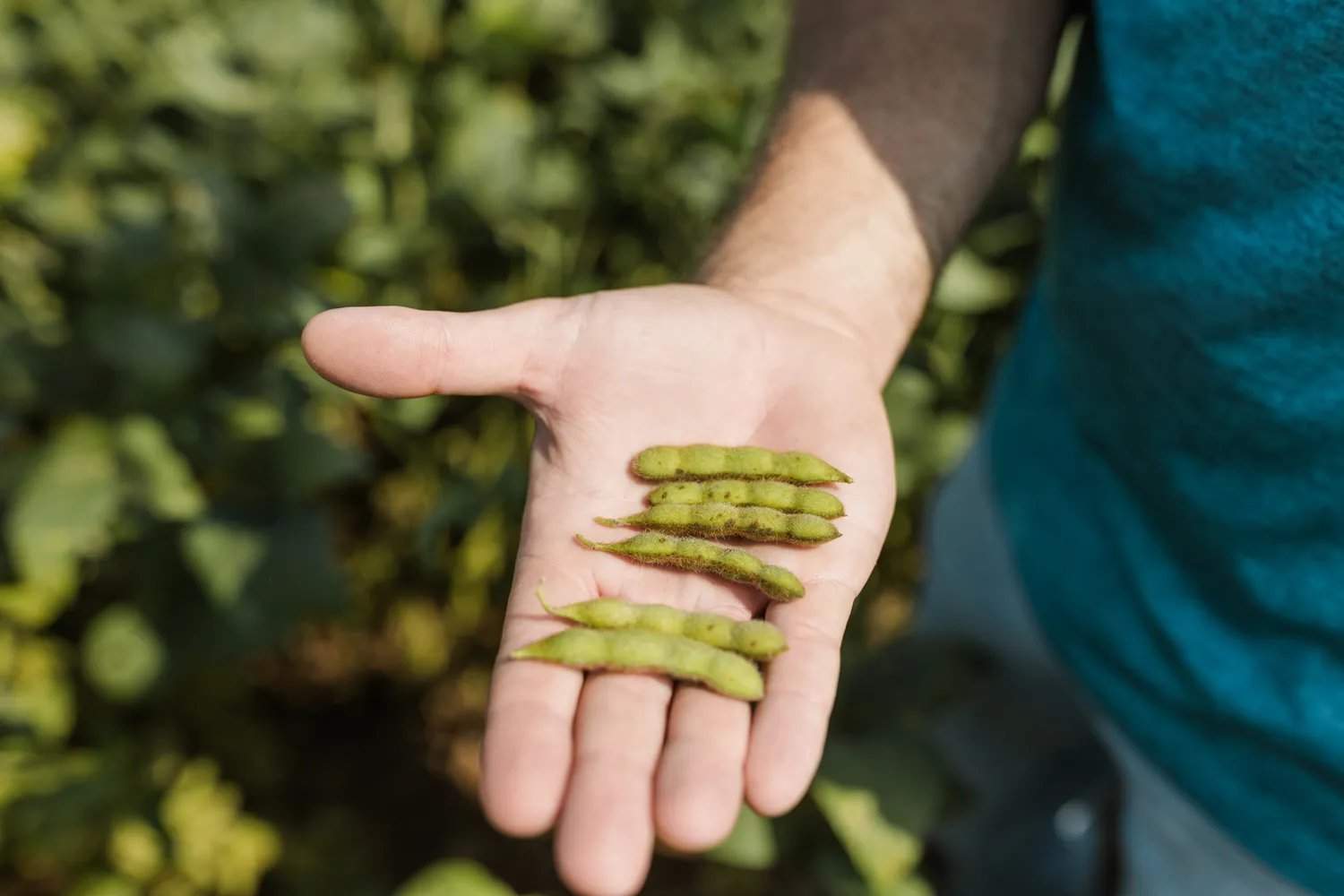
For soybeans, as of August 2, 80% of soybeans were blooming, 10 percentage points ahead of last year, up from 74% the previous week, with the five-year average at 69%. 63% of soybeans had reached the pod-setting stage, 12 percentage points ahead of last year, up from 55% the previous week, with the five-year average at 49%. Soybean condition was rated 1% very poor, 5% poor, 22% fair, 59% good, and 13% excellent. Nalley said soybeans are very similar to corn, still looking excellent across the state, and although soybean yields are harder to estimate than corn, the overall trend is moving toward a bountiful harvest. His biggest concern is poorly drained areas, where soybeans planted in late July and early August face significant challenges in maturing before the first fall frost.
For pastures and rangeland, during the week ending August 2, condition was rated 2% very poor, 7% poor, 34% fair, 50% good, and 7% excellent.
Related Products


4HS-8 High-efficiency Peanut Inverted-laying Harvester
Hebei Yongfa Hongtian Agricultural Machinery Manufacturing Co., Ltd.

Industrial and Commercial Point-Type Gas Detector
Jinan Benan Technology Development Co., Ltd.

714CD Series C-Band Weather Radar
Chengdu Zhongdian Jinjiang Information Industry Co., Ltd.