Volkswagen's Polish factory uses 100 sheep to maintain solar panels, supplying 25% of annual electricity
en.Wedoany.com Reported - German automaker Volkswagen has introduced a special maintenance method for its solar power plant in Poznań, Poland: a flock of about 100 sheep is responsible for controlling vegetation growth on the ground beneath the solar panels. The plant has a total of 31,000 solar panels installed, which can meet the factory's entire energy demand on days with the strongest solar radiation and provide approximately 25% of its annual electricity consumption.
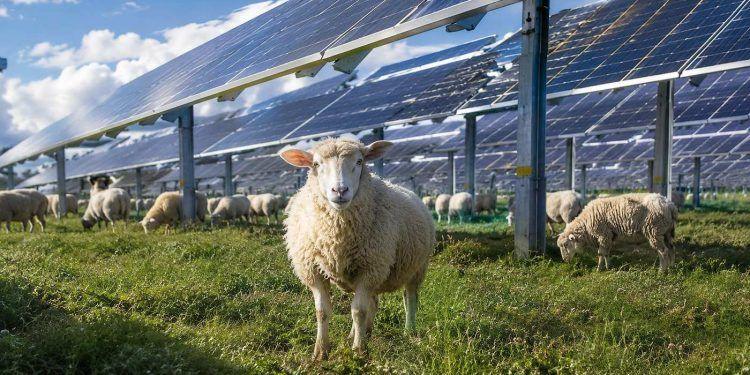
Ground maintenance at solar power plants has always been a common challenge in operations. With grass growing year-round, keeping the surface beneath thousands of panels clean typically requires vehicles to maneuver between support structures, cables, and electrical equipment. By choosing grazing to replace some mechanical weeding, Volkswagen has reduced the frequency of lawnmower and brush cutter use, as well as the need for vehicles to travel between the plant's structures.
The solar power plant in Poznań plays a significant role in the factory's energy supply. In addition to fully meeting electricity demand on peak days, it provides about 25% of the factory's annual electricity consumption, making vegetation-free maintenance of the entire area an ongoing task.
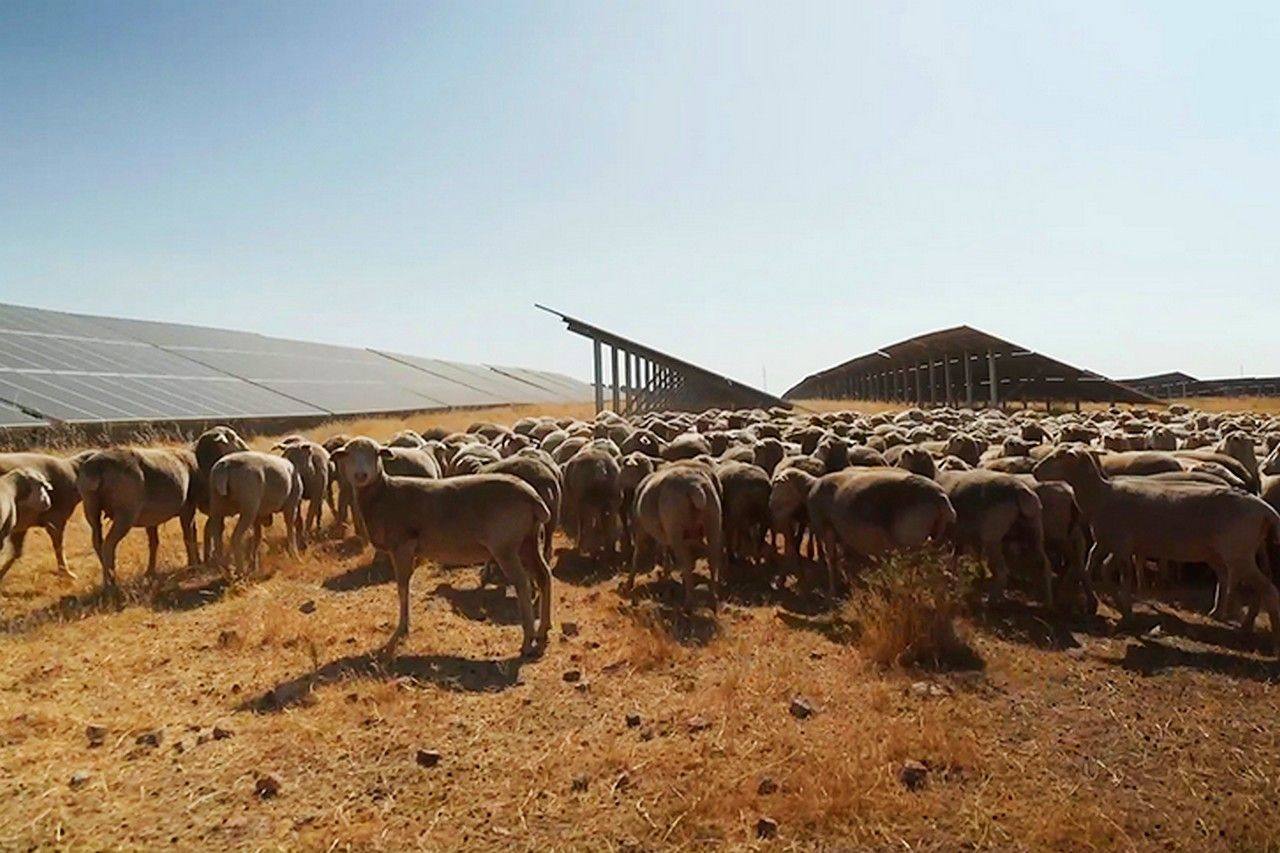
Instead of adding specialized machinery, Volkswagen adopted a grazing method that has been used for centuries. The sheep graze on the ground beneath the panels, eliminating most mechanical mowing work. Beyond lower maintenance costs, the presence of the sheep also reduces machinery movement in areas filled with metal supports, cables, and electrical components.
This practice is part of an agrivoltaic (agrivoltaica) system, which coordinates solar power generation with agricultural or livestock activities on the same land. Researchers from the Poznań University of Life Sciences (Universidad de Ciencias de Poznań) are tracking the project, analyzing the multifaceted impacts of grazing.
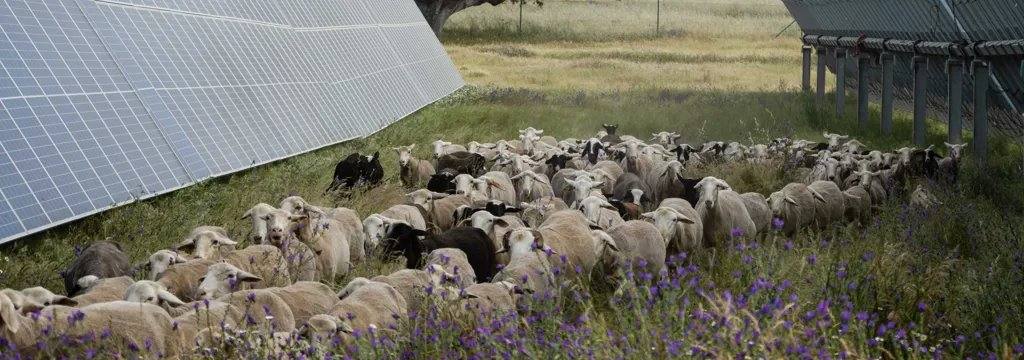
The research focuses on the sheep's impact on biodiversity, soil quality, vegetation evolution, microclimate, and animal welfare, while also observing whether the shade produced by the solar panels during hot months helps reduce heat stress in livestock. Preliminary observations show that the sheep have quickly adapted to the environment, spontaneously distributing themselves across the entire plant and forming small groups in shaded areas. This behavior helps maintain uniform vegetation cover and also creates conditions for insects and other species to thrive. Using sheep to maintain solar power plants has been practiced for years in countries such as the United Kingdom and the United States, with the core concept being dual use of the same land for power generation and livestock farming.
Related Products
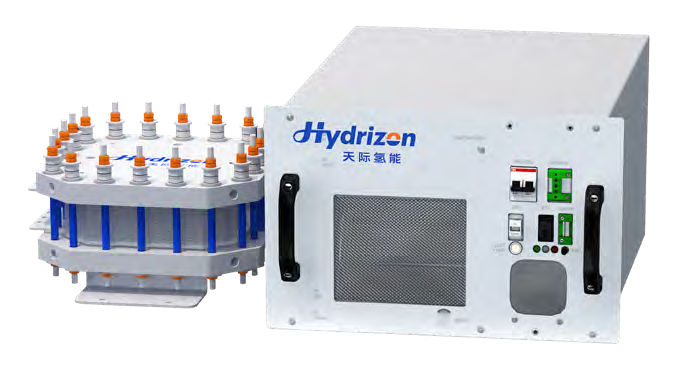

HI-Pro Green Hydrogen High-efficiency Production System-HI-PRO-AEM
Hydrizon Technology (Beijing) Co., Ltd.
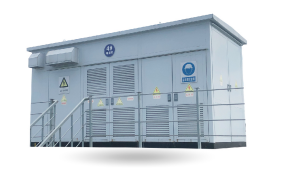
Smart Photovoltaic Prefabricated Substation
Shanghai Jinyou Jinhong Intelligent Electric Co., Ltd.


40.5kV-1100kV Gas Insulated Metal-Enclosed Switchgear (GIS)
Henan Pinggao Electric Co., Ltd.
6kV-35kV Medium and High Voltage Direct-Connected Energy Storage System
Hainan Jinpan Smart Technology Co., Ltd.
Ultrasonic Wind Speed and Direction Instrument
Kingmach Measurement & Monitoring Technology Co., Ltd.