Canary Islands Commission 90 kW Photovoltaic and 36 kW Storage at Teide National Park
en.Wedoany.com Reported - The Department of Ecological Transition and Energy of the Government of the Canary Islands (Consejería de Transición Ecológica y Energía del Gobierno de Canarias) has launched a photovoltaic power generation and battery energy storage system at public buildings between the upper and lower areas of El Portillo in Teide National Park, to meet the autonomous power supply needs of the area.
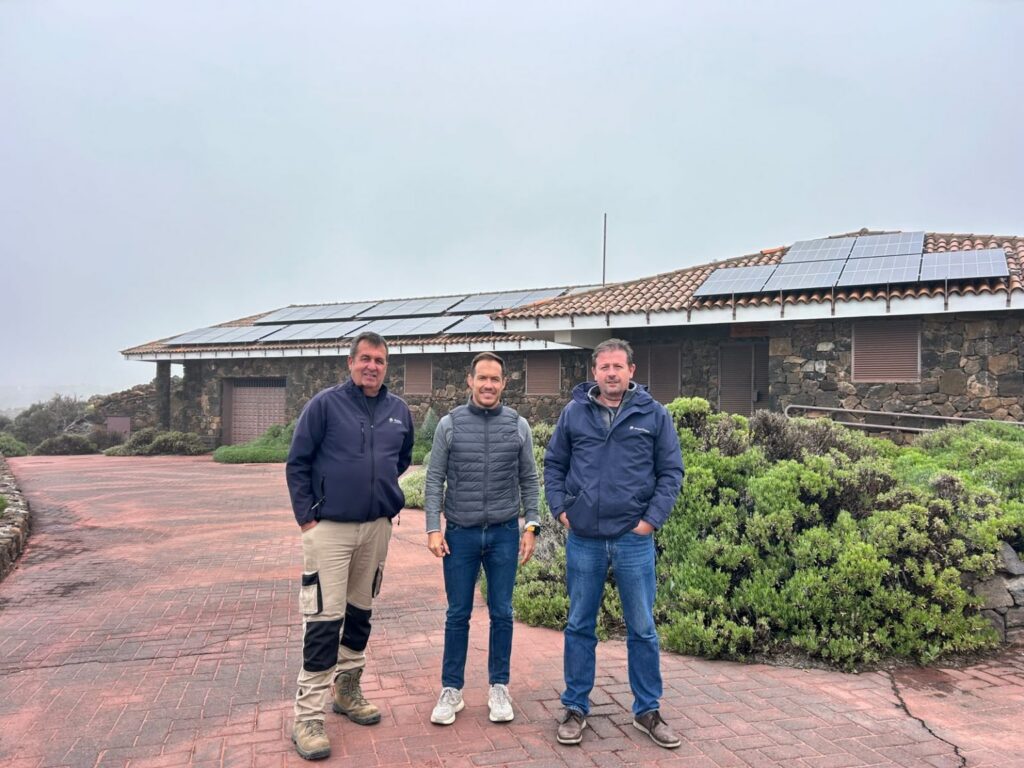
The storage component consists of six 48-volt lithium iron phosphate batteries, each with an output power of 15.4 kW, paired with six 6 kW battery inverters. The available AC-side power is limited by the total 36 kW capacity of the battery inverters. The photovoltaic side has a total installed capacity of 90.72 kWp, from 216 modules of 420 W distributed across four buildings of the complex.
The photovoltaic system on the southeast roof of the visitor pavilion consists of 56 modules of 420 Wp provided by Tragsa (Empresa de Transformación Agraria S.A.), installed on continuous coplanar structures fixed to the sloped roof with threaded rods. The installation includes perforated PVC insulating cable trays, 194 meters of 6 mm² H1Z2Z2-K cable, equipotential bonding conductors, and three 1000 V DC photovoltaic distribution boxes for three strings of modules, with the system connected to a 20 kW three-phase inverter.
A separate photovoltaic system is installed on the northwest roof of the visitor pavilion, also using 56 modules of 420 Wp and 14 coplanar supports. This system has less cabling than the southeast roof, including 5.10 meters of perforated cable tray and 3.50 meters of enclosed PVC cable tray, along with 139 meters of 6 mm² H1Z2Z2-K cable, a 10 mm² main protective conductor, three photovoltaic distribution boxes, and a 20 kW three-phase inverter.
In the second phase of the project, 65 modules of 420 Wp were installed on the southeast roof of the main visitor center building, using coplanar supports with both horizontal and vertical strings. The installation includes perforated and enclosed cable trays, 368 meters of 6 mm² H1Z2Z2-K cable, 81 equipotential bonding conductors, a 10 mm² main protective conductor, and three 1000 V DC photovoltaic distribution boxes, with the system connected to a 25 kW three-phase inverter.
Another photovoltaic system was installed on the roofs of the generator building and the waste room, consisting of 39 modules of 420 Wp mounted on 49 precast reinforced concrete supports. This section includes 17 meters of perforated cable tray, 122 meters of 6 mm² H1Z2Z2-K cable, 41 equipotential bonding conductors, and a 1×6 mm² grounding conductor, with the generation system connected to a 15 kW three-phase inverter.
The project integrates a centralized AC distribution and energy storage system to collect power from the various generation systems. This section includes a three-phase distribution cabinet capable of connecting up to twelve inverters, 10 mm² RZ1-K cables, battery inverters, and six 48-volt lithium iron phosphate batteries, along with perforated and enclosed cable trays, fuse boxes, and 95 mm² CPR cables. The system is also equipped with disconnecting switches and input neutral grounding.
The microgrid is equipped with a communication rack, interfaces, a data manager, an eight-port switch, and a mini PC connected to energy management software that provides a monitoring interface displaying system data.
The project was executed by the public company Tragsa, funded by the Next Generation fund, with an investment of nearly €500,000.
Related Products

KYN28A-12 Metal Armored Removable Switchgear
Tianjin Ping Gao Intelligent Electric Co., Ltd.


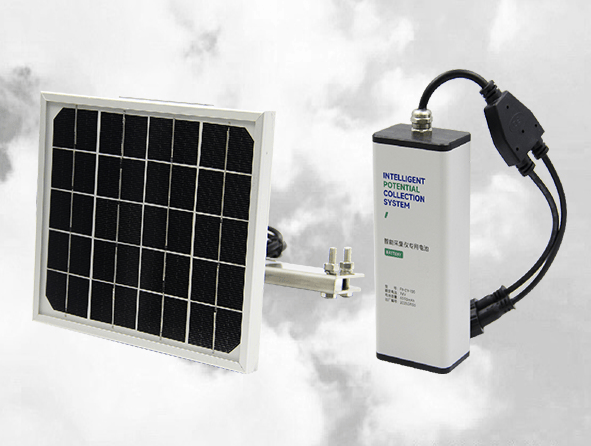
Inductive Power Harvesting Self-Powered Device - Safuneng
SELF ENERGY TECHNOLOGY (SHENZHEN) CO., LTD.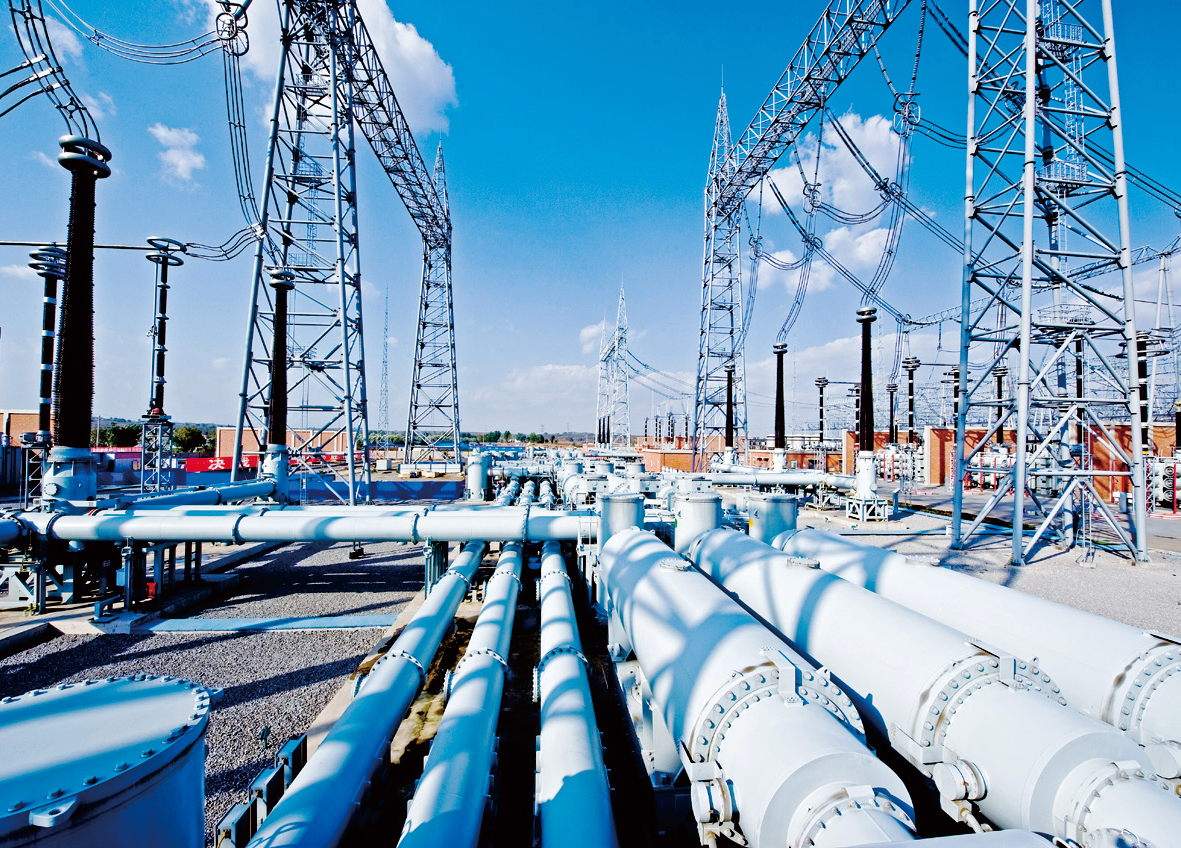
40.5kV-1100kV Gas Insulated Metal-Enclosed Switchgear (GIS)
Henan Pinggao Electric Co., Ltd.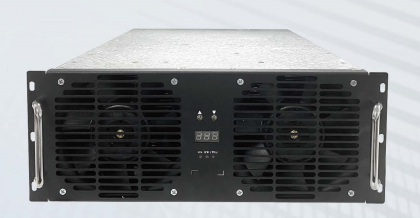
80kW Megawatt Supercharging Module TH80F10030C9
Shijiazhuang Tonhe Electronics Technologies Co., Ltd.