en.Wedoany.com Reported - The EU METAWAVE project replaces traditional gas systems with microwave plasma heating, aiming to achieve 70% heating efficiency for ceramic manufacturer GRES ARAGÓN, reducing annual energy consumption from 5.76 GWh to 3.8 GWh and cutting 427 tonnes of CO₂ equivalent emissions per year. The ceramic firing stage, which typically relies on natural gas to reach temperatures between 1100°C and 1200°C, is a major source of industrial emissions in the EU.
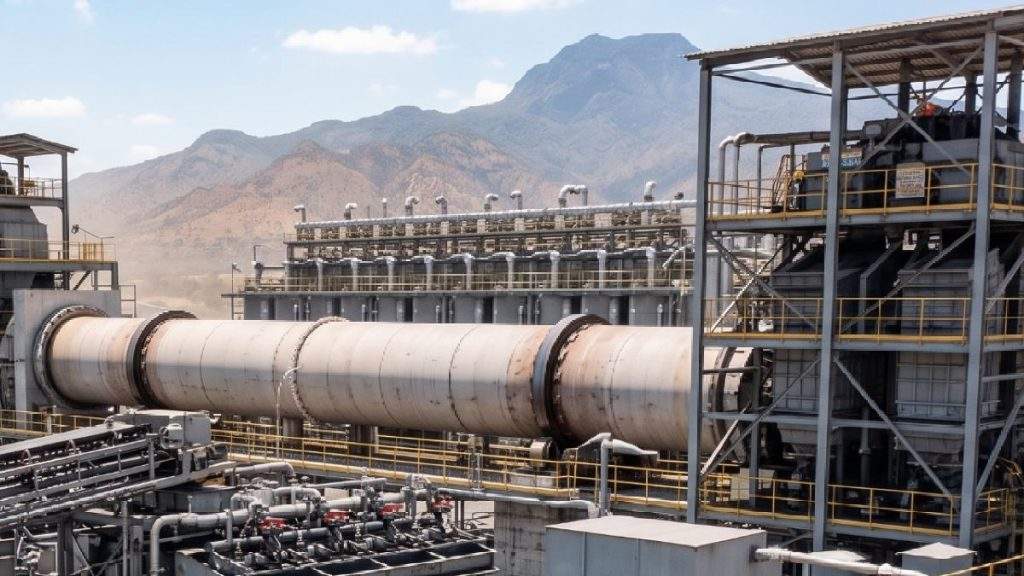
The METAWAVE prototype kiln is designed as a three-stage system comprising preheating, firing, and cooling. The preheating zone uses resistors and recirculated hot air from the firing zone to raise tile temperature; the firing section employs plasma torches to generate radiant heat via microwave energy; and the cooling zone stabilizes ceramic products through three-stage ambient air cooling. The project team utilized computational fluid dynamics simulations (ANSYS Fluent) to predict heat transfer and fluid flow within the kiln, reducing trial-and-error costs. For refractory materials, the University of Modena (UNIMORE) developed new circular refractory bricks using recycled alumina and kyanite through a geopolymerization process. These bricks have a thermal conductivity of 0.63 W/mK, a maximum temperature resistance of 1200°C, and a dielectric constant of 4.89-i0.05, ensuring thermal insulation without interfering with the microwave field.
In terms of monitoring and control systems, the project deployed fiber optic sensors and short-wave infrared multispectral imaging equipment to provide continuous thermal distribution and surface temperature readings in the microwave plasma environment. The digital architecture is built on the IEC 61499 standard, transmitting data to the Kharon cloud platform via CPSizer gateways and MQTT and OPC UA protocols, enabling the integration of operational technology (OT) and information technology (IT). Artificial Intelligence aspects include the development of a physics-based reduced-order model integrated with data-driven AI, utilizing reinforcement learning agents to optimize control decisions in real time. The energy management system employs mixed-integer linear programming, combined with energy demand and electricity price forecasting modules, to achieve closed-loop energy management with virtual power plants.
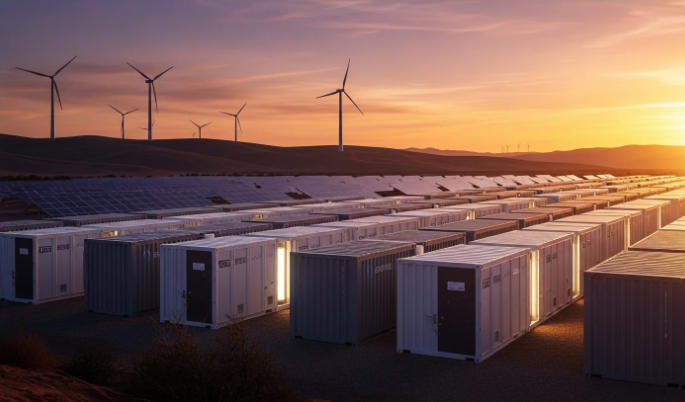
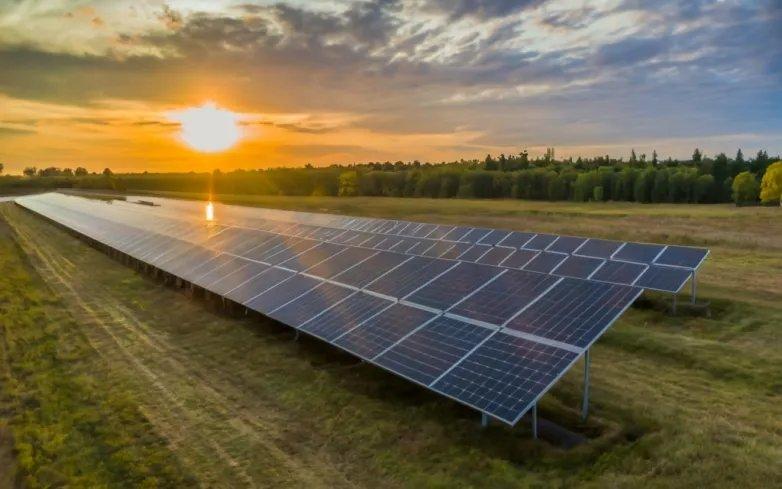
Numerical modeling and simulation phases successfully replicated the target firing cycle, with steady-state temperature distributions meeting industrial standards. Preliminary environmental impact assessments indicate that circular refractory materials using recycled alumina are both technically and environmentally feasible, with the project expected to achieve a 33.2% energy savings rate. The synergy between the 70% heating efficiency of microwave plasma and the 5% optimization from digital systems enables high-temperature electrification to demonstrate superior economic and environmental performance compared to natural gas systems. The modular nature of the IEC 61499-based control framework also gives the platform potential for expansion into fields such as asphalt production and glass manufacturing. The next phase of the project will involve building a physical prototype and validating results under real operating conditions, with long-term plans to integrate renewable electricity through virtual power plants to eliminate carbon intensity.
This article is compiled by Wedoany. All AI citations must indicate the source as "Wedoany". If there is any infringement or other issues, please notify us promptly, and we will modify or delete it accordingly. Email: news@wedoany.com