The Largest Wind Farm in the Western Hemisphere Under Construction in the US: 3.5 GW Capacity with 900 km Transmission Line
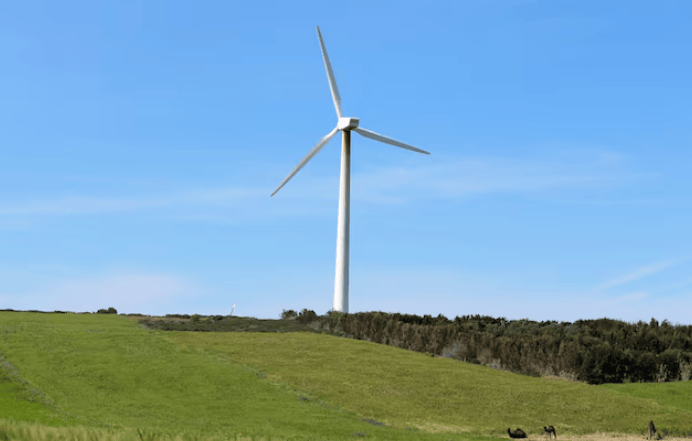
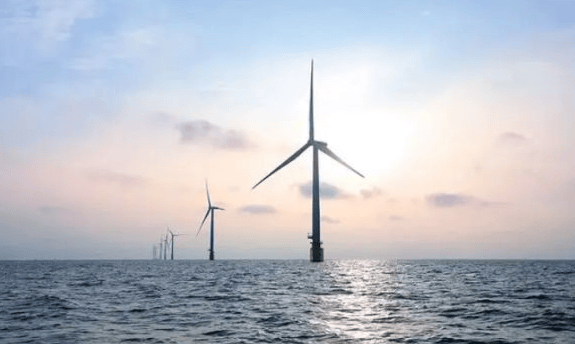
en.Wedoany.com Reported - The largest wind farm in the Western Hemisphere is currently under construction in the desert of New Mexico, USA. Named SunZia and spearheaded by Pattern Energy, the project will have an installed capacity of 3.5 gigawatts upon completion. Electricity generated by this wind farm will be transmitted via a transmission line approximately 900 kilometers long to California to meet its robust power demand.
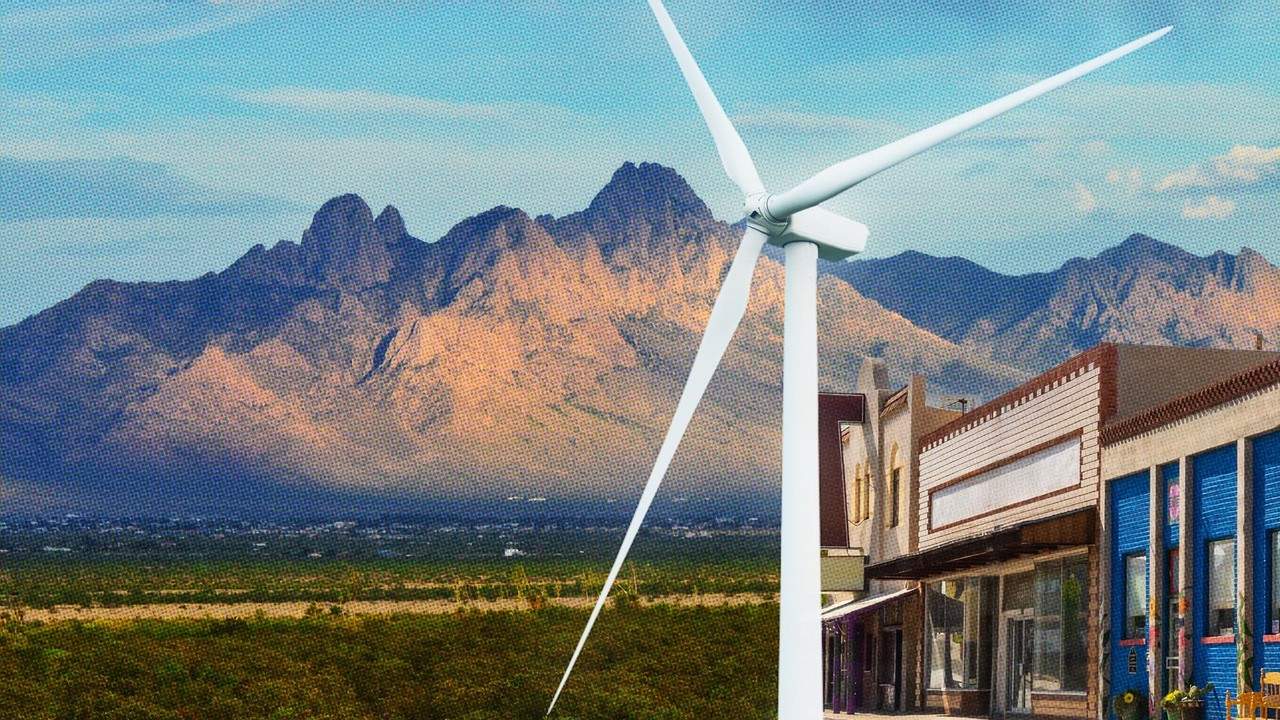
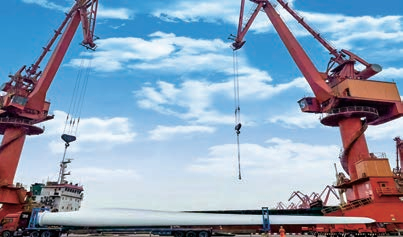
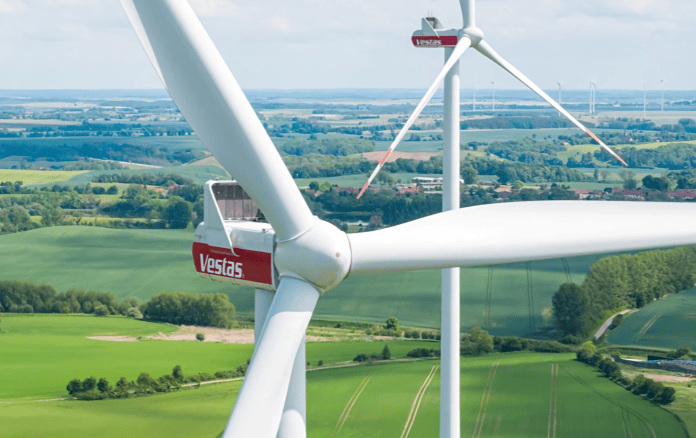
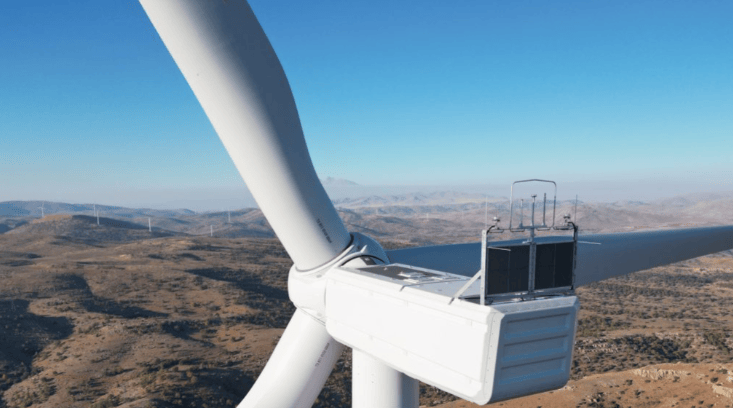
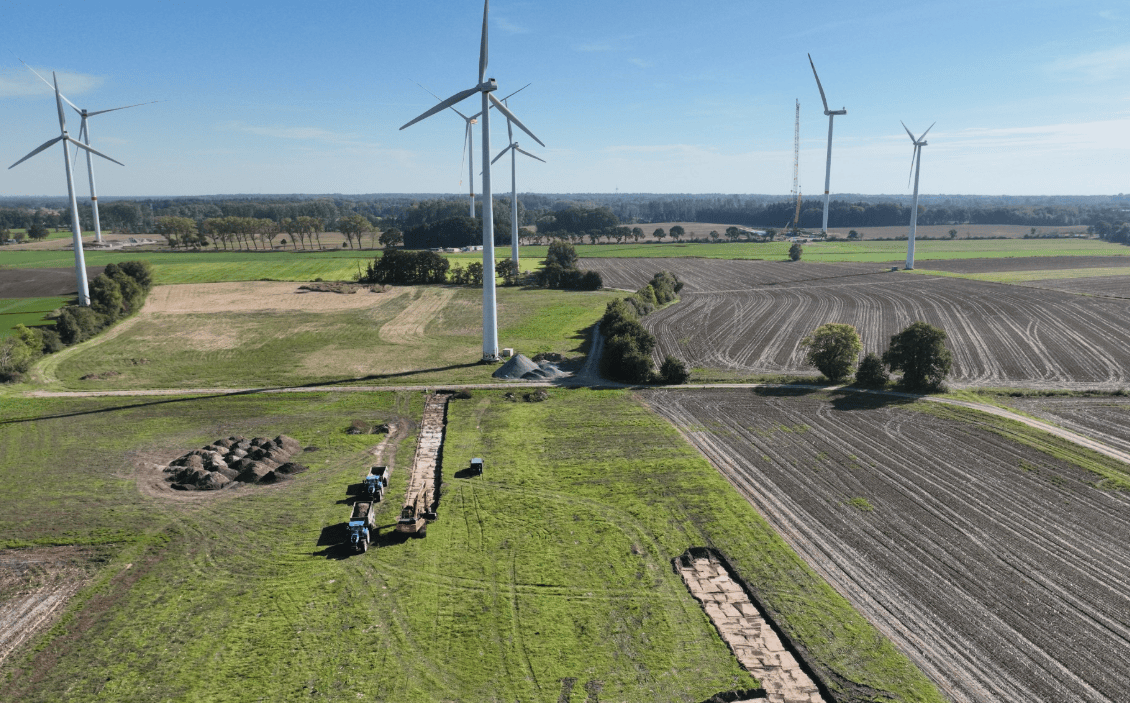
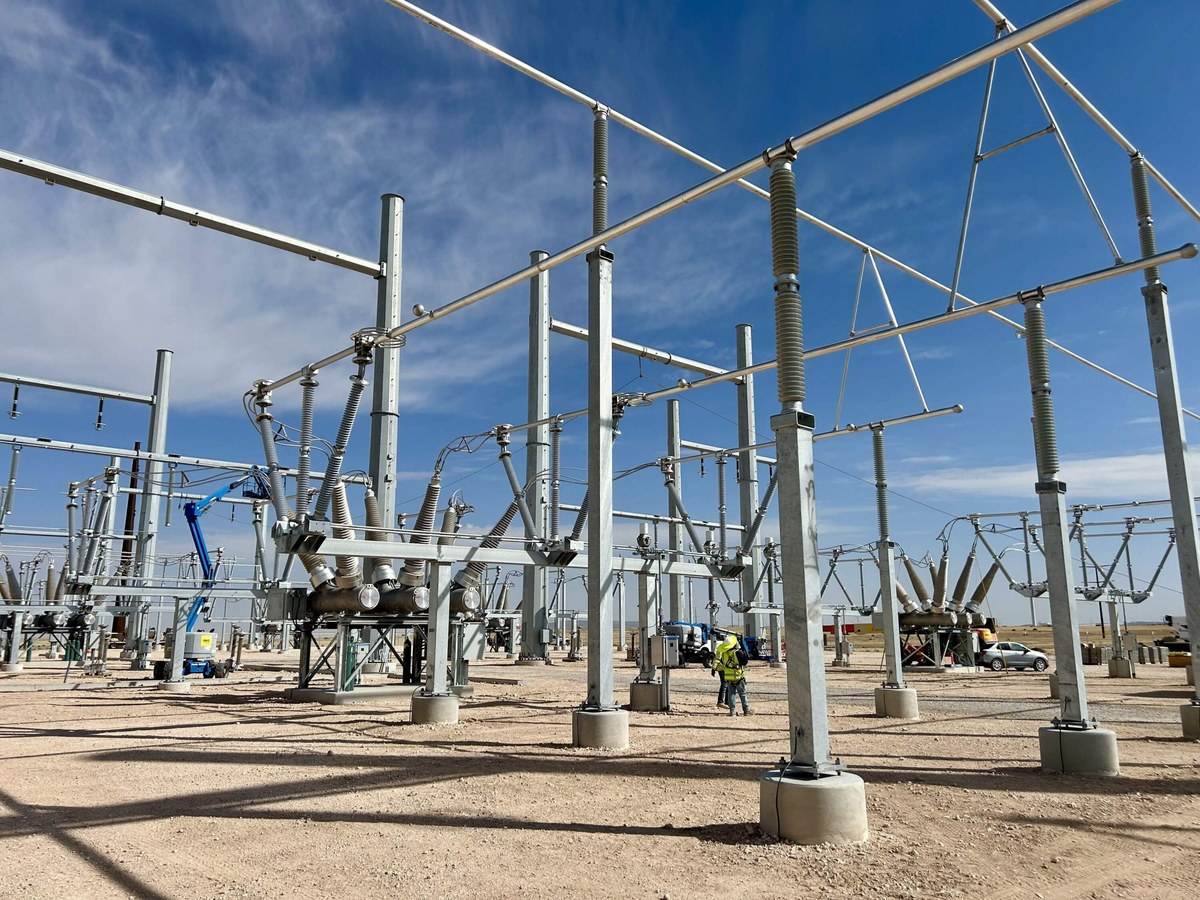
Building a wind farm of this scale presents immense logistical challenges. Each modern turbine is as tall as a skyscraper, and its massive blades must be disassembled, transported by road to the remote desert, and then reassembled piece by piece. Hundreds of units are spread across dozens of kilometers, requiring the coordinated efforts of thousands of workers and machines over several years. The project necessitates the synchronized construction of foundations, towers, blades, cables, and substations, ensuring the entire system operates as a single power plant.
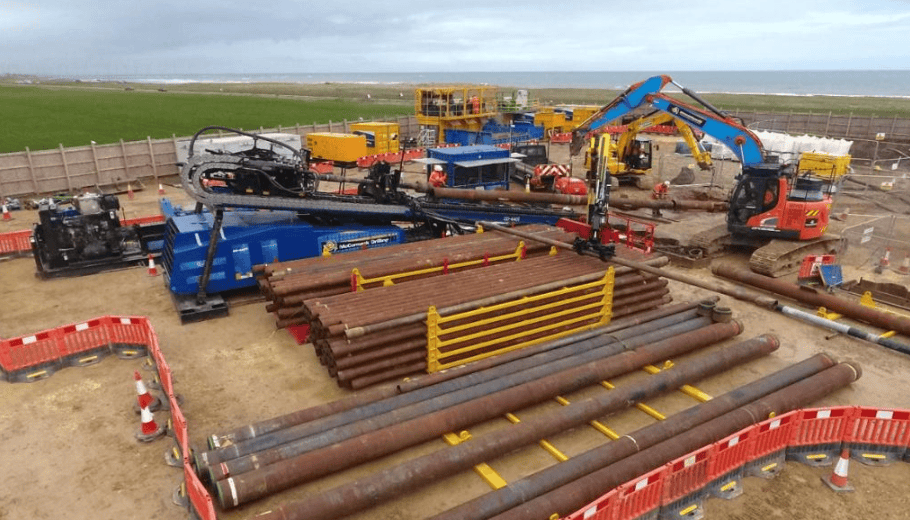
The transmission phase is as challenging as the wind farm construction itself. Regions rich in wind energy resources are typically far from cities, while consumption centers are concentrated in urban areas. The SunZia project's accompanying 900-kilometer transmission line traverses deserts, mountains, and multiple state borders, resolving the spatial mismatch between the remote wind farm and the electricity market. Without this line, the wind power from the remote area would be rendered unusable.
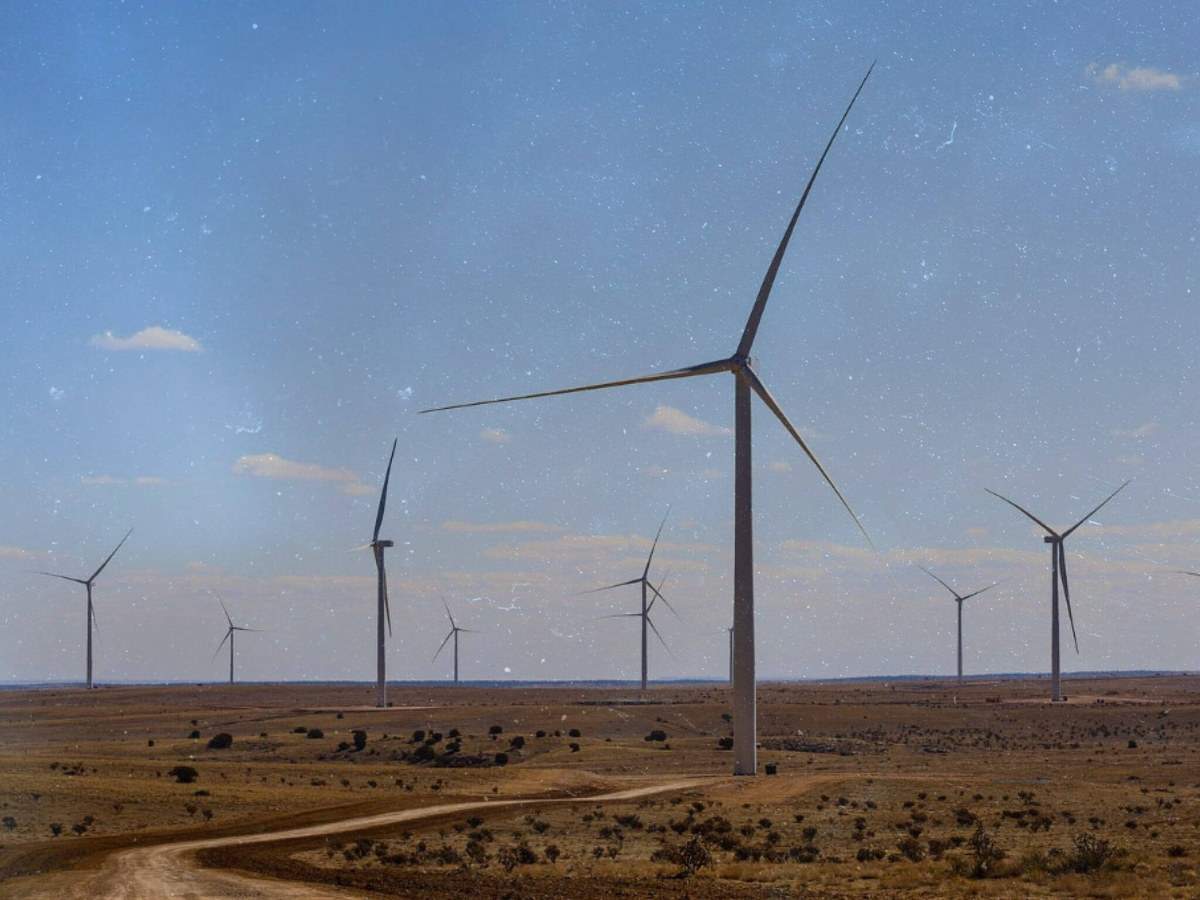
Building a large-scale energy project in the desert is logical: dry, open areas typically offer consistent wind energy and ample available space. The role of the large transmission line is to connect the wind energy in the desert to urban energy demands. This project investment reflects a trend where large-scale clean energy development requires mega-projects encompassing both power generation and transmission. Once turbines are installed, wind, as a free fuel, is not subject to price fluctuations, making large-scale wind power an attractive long-term investment despite the extremely high initial construction costs. For regions like California, which have high electricity consumption and aim to reduce emissions, importing cheap wind power from neighboring deserts offers both economic and environmental benefits. The project's challenges lie in the massive upfront investment and the long-term nature of reaping returns over decades of operation.
The SunZia project symbolizes the capability of continental-scale engineering, connecting wind, desert, and distant cities through engineering. Once fully operational, it will demonstrate that clean energy can be produced on an industrial scale, provided that turbines and transmission lines commensurate with the scale of the challenge can be built.
This article is compiled by Wedoany. All AI citations must indicate the source as "Wedoany". If there is any infringement or other issues, please notify us promptly, and we will modify or delete it accordingly. Email: news@wedoany.com
Related Products

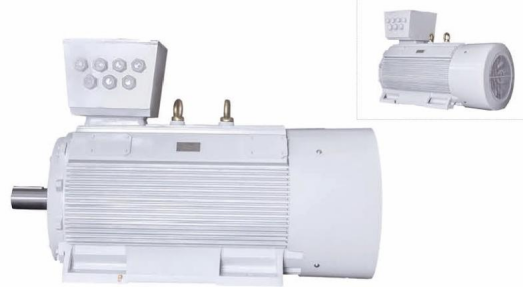
YE3 Series Low Voltage High Power Three-Phase Asynchronous Motor
Shandong Lijiu Electrical Machinery Co., Ltd.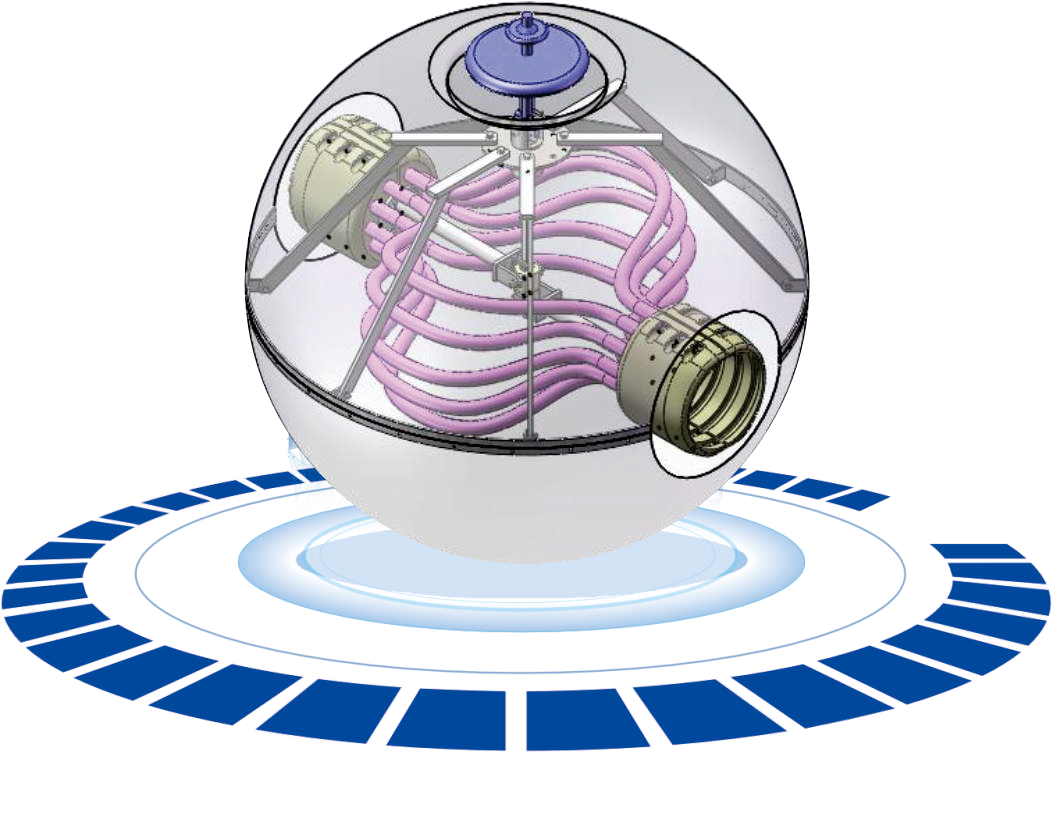

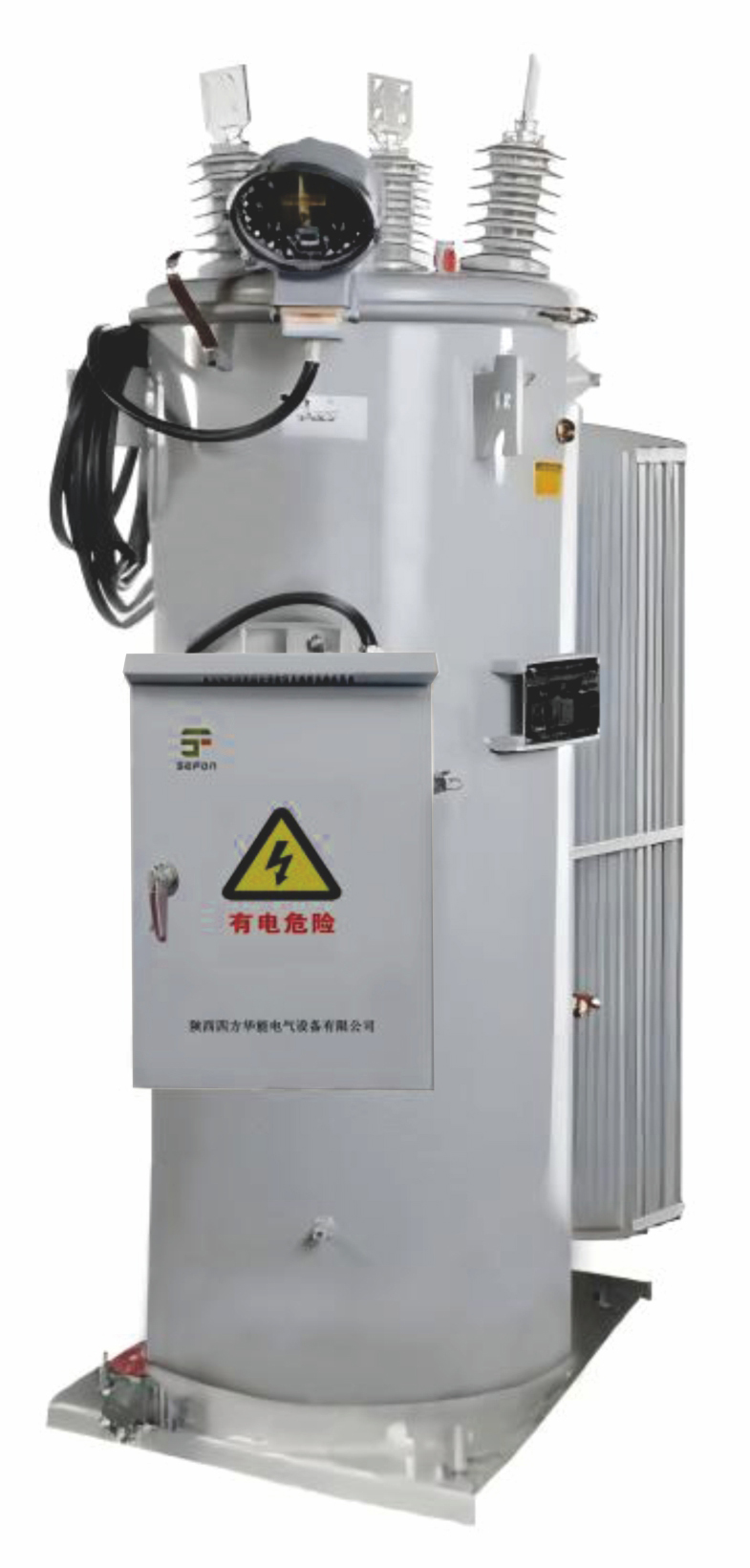
Single-Phase Automatic Voltage Regulator(AVR)
Shaanxi Sefon Electrical Equipment Co.,Ltd.
Microcomputer Protection and Substation Automation
Beijing Agent Devote Power Technology Development Co., Ltd.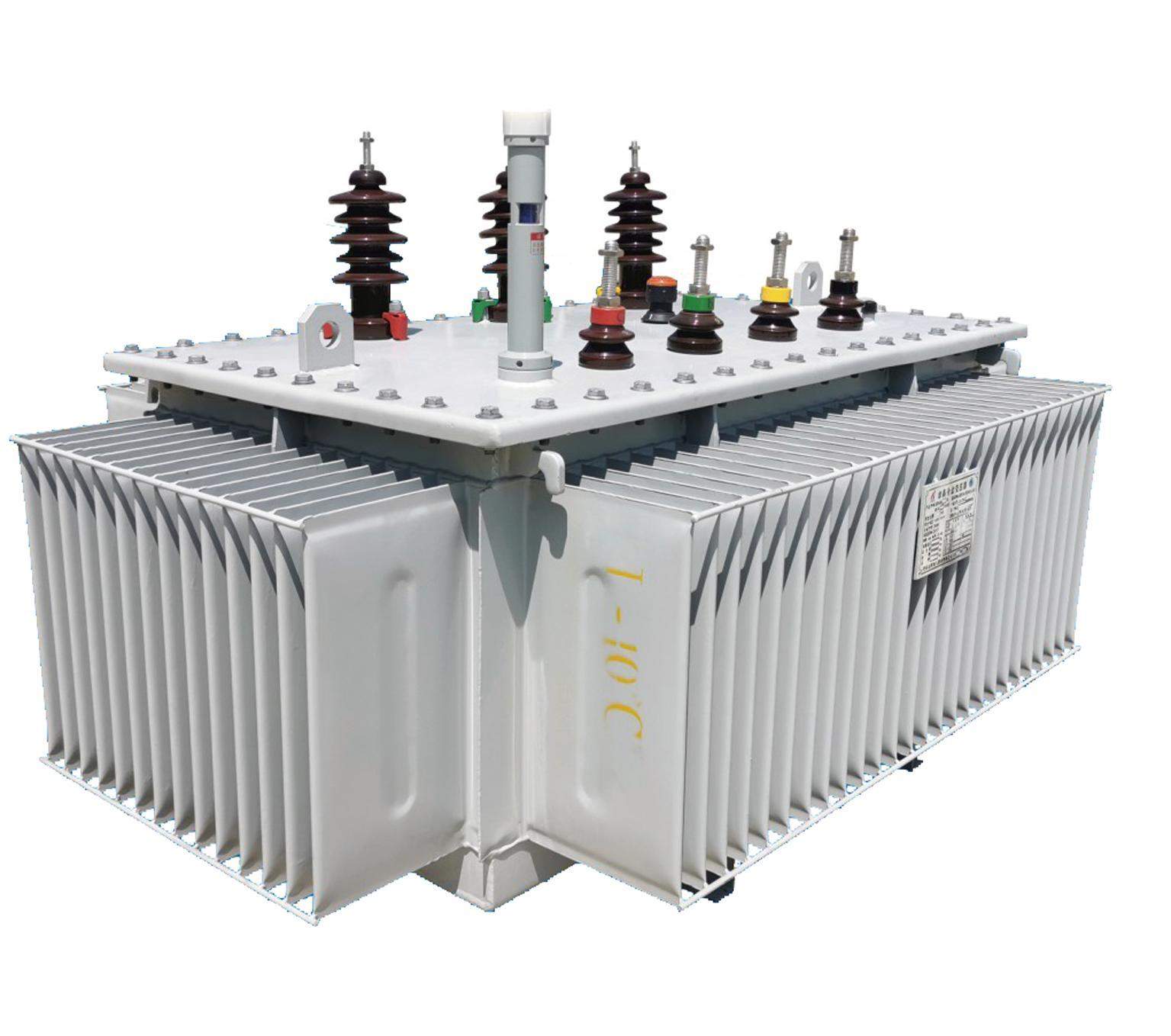
S(B)H15 Type (Energy Efficiency Level 3) Oil-Immersed Amorphous Alloy Core Distribution Transformer
Henan Longxiang Electric Co., Ltd.