Georgia Tech Develops "Learn to Teach" Framework to Help Humanoid Robots Navigate Complex Terrain
en.Wedoany.com Reported - Researchers at the Georgia Institute of Technology have developed a machine learning framework called "Learn to Teach," which trains two reinforcement learning models simultaneously, enabling bipedal humanoid robots to traverse complex terrains such as sand, loose gravel, slippery indoor surfaces, and steep slopes.
Traditional "teacher-student" reinforcement learning methods first train a simulated "teacher" model with complete environmental information, then transfer its knowledge to a "student" algorithm on the physical robot. Feiyang Wu, a machine learning doctoral student at Georgia Tech, noted two issues with this sequential training approach: first, the continuous training process is time-consuming, and second, a large amount of environmental data collected by the teacher is wasted. Since simulations rely on expensive GPU chips, extended computation time directly increases development costs.
The team's solution involves training the teacher and student models concurrently. The teacher no longer needs to become an expert before starting instruction but can gradually impart knowledge learned along the way to the student. Meanwhile, the teacher also learns from the student's mistakes, thereby narrowing the "teacher-student imitation gap"—the problem where physical robots perform worse due to a lack of rich environmental data available in simulations.
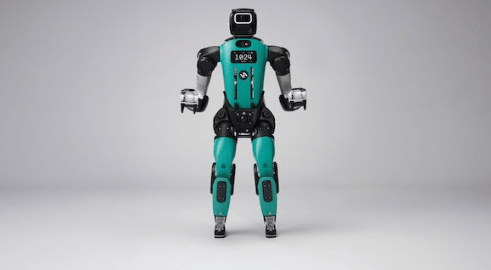
On a physical humanoid robot in Associate Professor Ye Zhao's lab, the controller demonstrated superior performance compared to standard software provided by the robot manufacturer. Even when researchers forcefully pushed or pulled the robot, it autonomously adjusted its gait and maintained balance. This method has been published at the IEEE International Conference on Robotics and Automation.
The framework showcases a shift from brute-force computation to algorithmic efficiency. By demonstrating that concurrent training achieves better balance performance on unmodeled terrain with less computation, Georgia Tech has lowered the entry barrier for small startups and academic labs to participate in robotics development. The "Learn to Teach" framework is versatile and could be applied in the future to robotic arms in manufacturing facilities or automated drones in warehouses, reducing time-to-market for specialized automation systems.
However, obstacles remain before commercial application. Researchers have not yet released exact benchmark data, and computational cost savings are only directional conclusions. Additionally, industrial environments impose strict safety certification requirements, and neural networks may exhibit unpredictable decision-making behavior when encountering unseen obstacles. Companies remain cautious about deploying such flexible controllers until highly standardized testing protocols are established.
Related Products
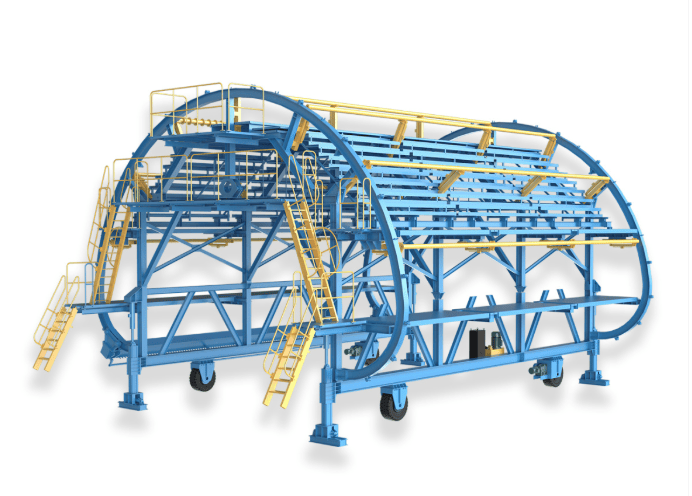

QLZNGJ Intelligent Steel Reinforcement Trolley
Luoyang China Railway Qiangli Machinery Co., Ltd.
Standard Nozzle Flowmeter
Jinggong Automatic Control Instrument Complete Technology Development Company
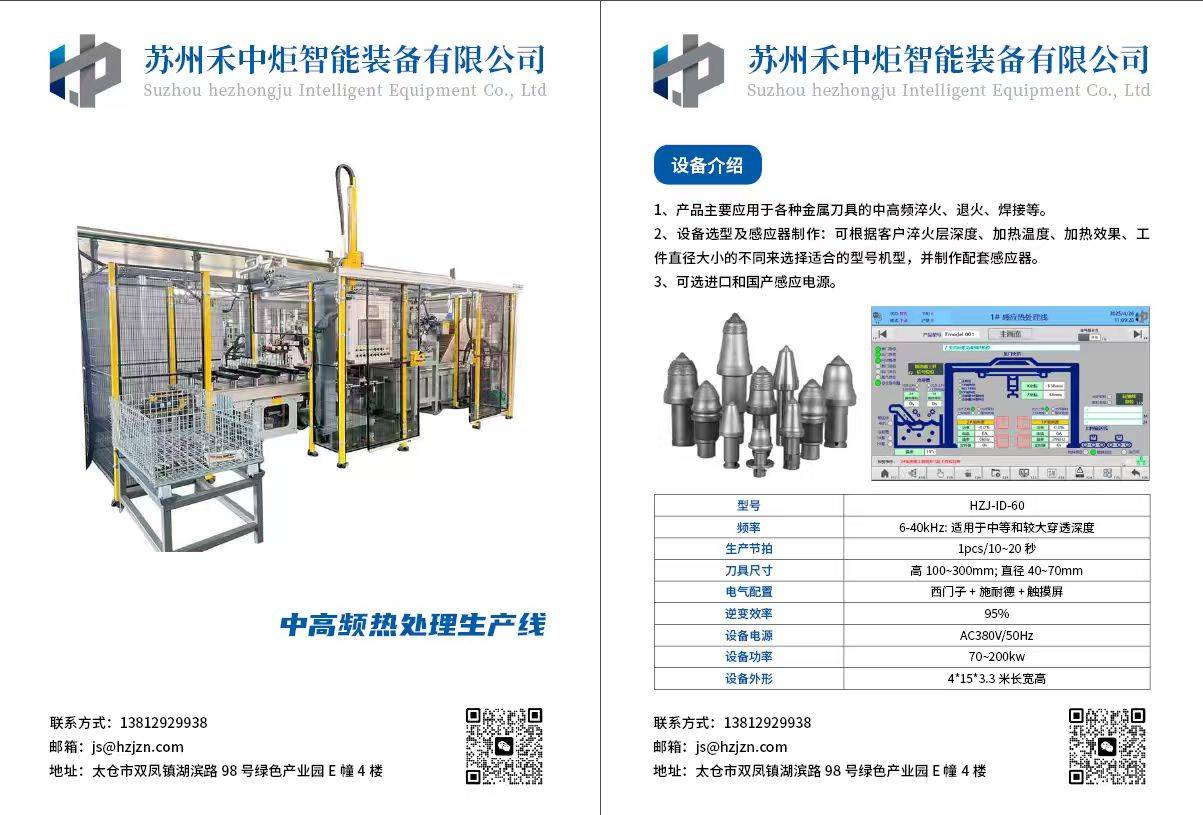
Excavator Bucket Teeth Heat Treatment Production Line
Suzhou Hezhongju Intelligent Equipment Co., Ltd.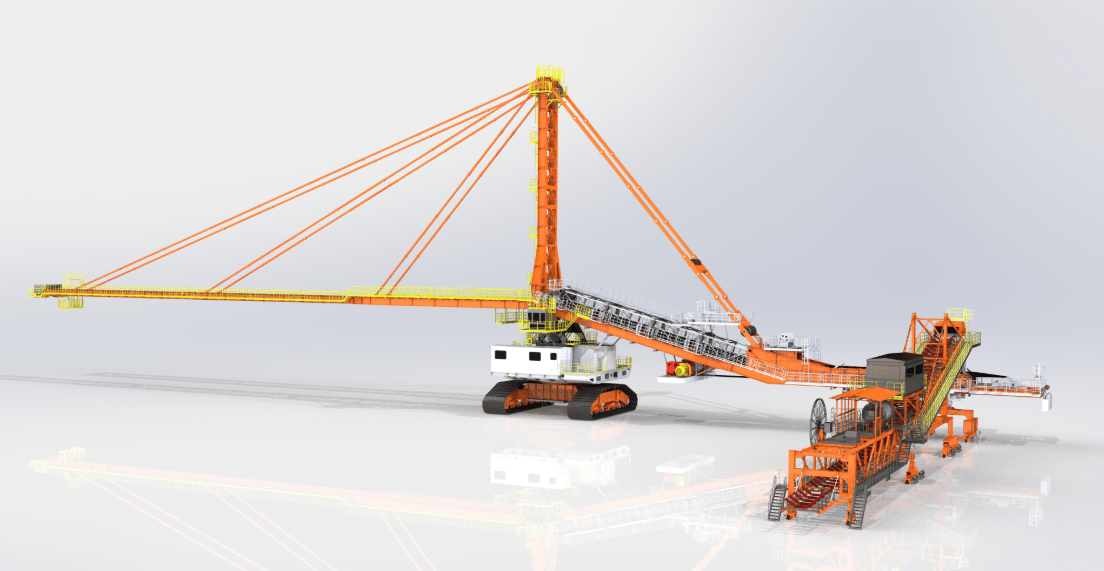
LBH4000 Batch Environmental Protection Asphalt Mixing Plant | Asphalt Batching Plant | Asphalt Mixing Plant
Jilin Province Road Construction Machinery Co., Ltd.
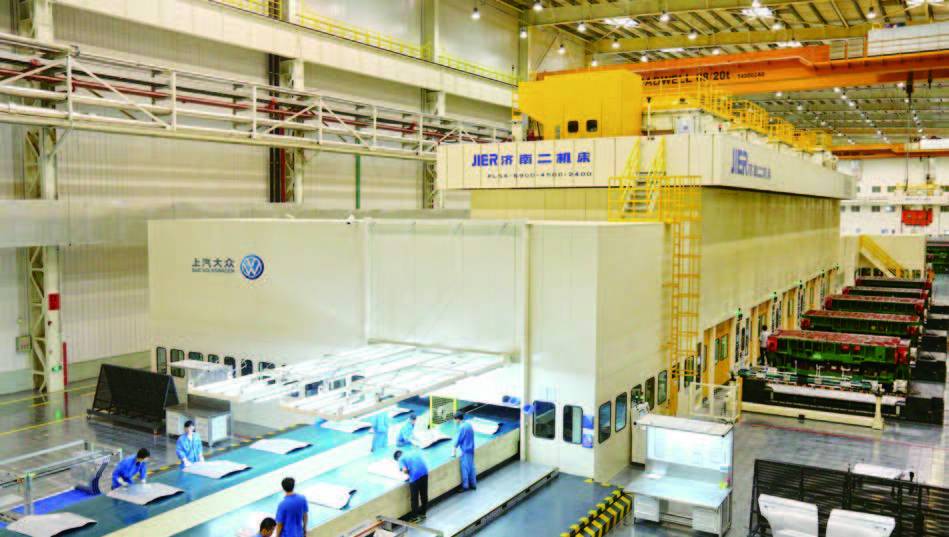
High-Speed Flexible Fully Automatic Stamping Production Line
JIER Machine-Tool Group Co., Ltd.