U.S. Wraith Systems Boosts Monthly Production of F-35 Desktop Training Systems to 75 Units with 3D Printing
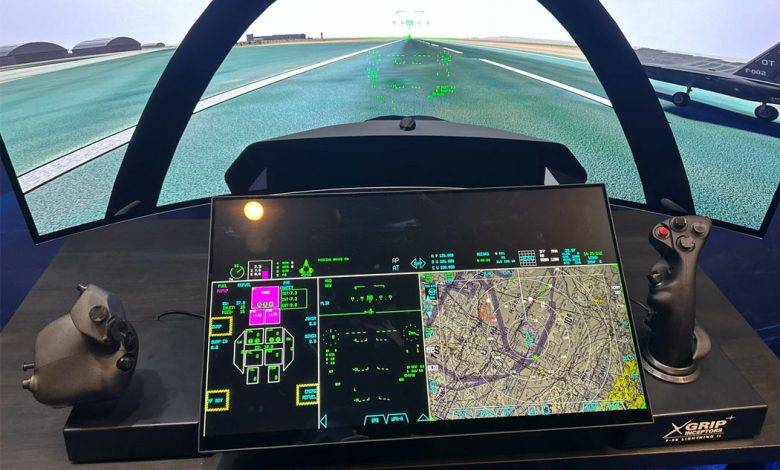
en.Wedoany.com Reported - Wraith Systems, headquartered in Texas, USA, has increased the monthly production of its F-35 desktop Hands-On Throttle and Stick (HOTAS) flight training systems to 75 units by adopting 3D Systems' Figure 4 photopolymerization system and PSLA 270 3D printer, achieving total cost savings of $483,735 in an 813-unit production project. Founded in 2006 by U.S. Marine Corps veteran Jason McAlister, Wraith Systems is a pioneer in desktop HOTAS devices. McAlister noted that initial pilot training lacks opportunities to hone motor skills and button logic, with reading content easily forgotten after weeks, and simulator training proving ineffective. The desktop training system includes a throttle and joystick based on the F-35 fighter jet mechanism, directly pluggable into a computer for immersive flight simulation. Initially, products were made using polyurethane casting and manual post-processing, producing approximately 75 to 100 units per year, each requiring about 20 hours of post-processing labor.
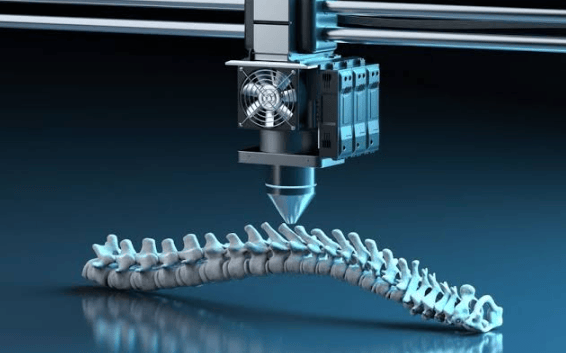
By 2023, monthly demand for desktop HOTAS rose to about 100 units. Injection molding was infeasible due to mold costs reaching hundreds of thousands of dollars and design limitations, while machining solutions were also not adopted. Wraith Systems ultimately chose 3D printing and collaborated with 3D Systems' Application Innovation Group (AIG) to develop the process, using Figure 4 3D printers and Figure 4 PRO-BLK 10 high-resolution resin. McAlister stated that parts have no 90-degree angles and are designed to fit the human hand, with 3D printing reducing post-processing time by approximately 92%. After printing, parts are cleaned, dried, and cured before assembly. The company initially invested in three Figure 4 systems, and after the learning curve, purchased three more in 2024, achieving greater internalization of production, overcoming delays in aluminum procurement, and reducing costs by $13.35 per unit by replacing aluminum components with 3D-printed parts.
During this phase, Wraith Systems relied on six 3D printers to produce up to 75 desktop HOTAS units per month, a 7.5-fold increase in productivity compared to before. In 2025, the company acquired 3D Systems' PSLA 270 3D printer, whose larger build volume allows the joystick and throttle to be printed as single pieces, eliminating seam issues from splitting CAD designs in half and splicing them due to Figure 4's build size limitations, enhancing simulator realism and simplifying assembly. With Figure 4, six joysticks could be printed overnight, each taking five hours; the PSLA 270 prints six joysticks in a single build in 10 hours, reducing joystick printing production time by over 60% and freeing up Figure 4 for other parts production. After achieving expanded production and meeting growing demand through additive manufacturing, Wraith Systems plans to extend its product line to the drone market and provide small-batch training equipment for different fighter jet types.
Related Products


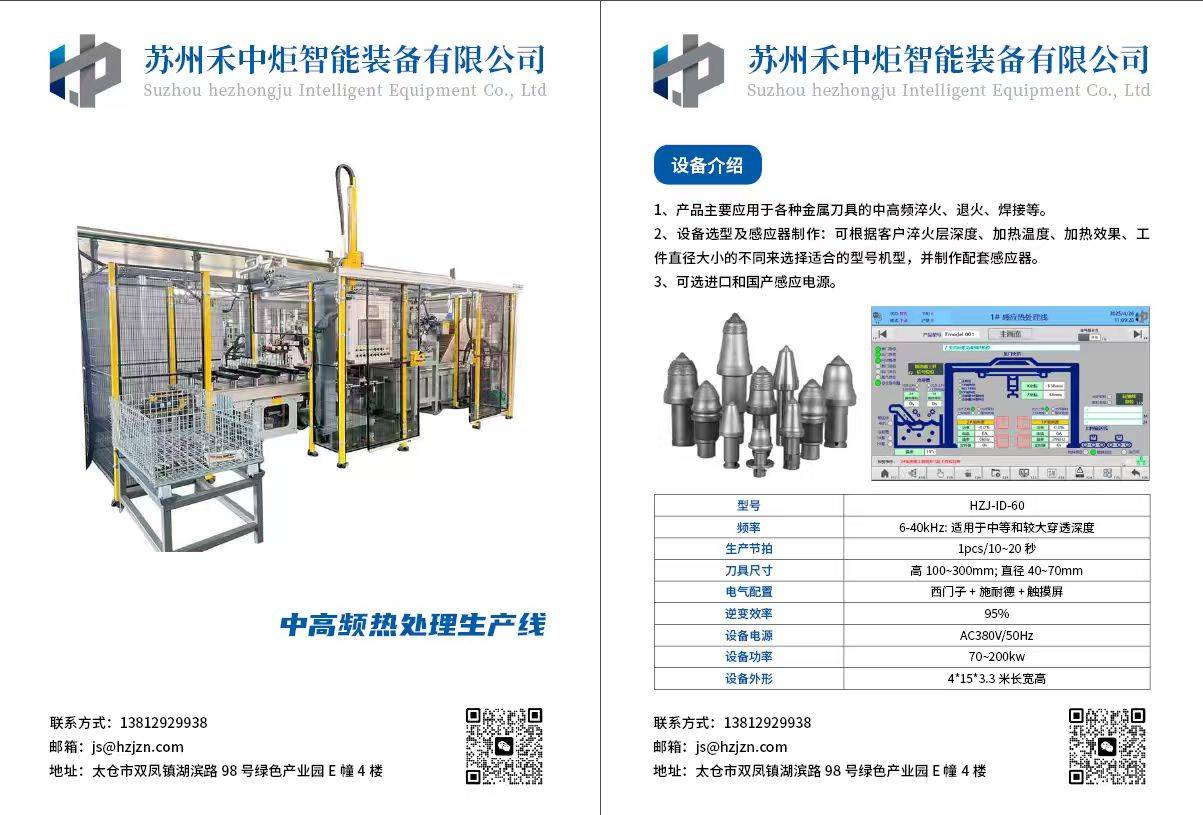
Excavator Bucket Teeth Heat Treatment Production Line
Suzhou Hezhongju Intelligent Equipment Co., Ltd.
Strip Coating and Plating Production Line Equipment
MCC-SFRE HEAVY INDUSTRY EQUIPMENT CO., LTD.
Pneumatic high-pressure wear-resistant ball valve
Zhejiang Deca Control Valve Meter Co., Ltd.

Industrial and Commercial Point-Type Gas Detector
Jinan Benan Technology Development Co., Ltd.
QLZNGJ Intelligent Steel Reinforcement Trolley
Luoyang China Railway Qiangli Machinery Co., Ltd.
Standard Nozzle Flowmeter
Jinggong Automatic Control Instrument Complete Technology Development Company