Cartier Resources to Release Updated PEA in September
en.Wedoany.com Reported - Philippe Cloutier, President and CEO of Cartier Resources (TSXV:ECR), recently stated that 2026 will be a transformative year for the company. The company's property extends 15 to 20 kilometers along the Cadillac fault in the Abitibi Greenstone Belt, Quebec, Canada. Since the release of the Preliminary Economic Assessment (PEA) in 2023, gold prices have risen significantly and exploration results have exceeded expectations. Cloutier said: "Since we released our PEA in 2023, the economic conditions and project metrics for gold have changed dramatically. We are working diligently and should be able to achieve this goal following a major new resource release, which has been a game-changer."
The core asset of the Cartier project is the Chimo mine, which was closed in 1997 due to low gold prices. A key discovery from this year's drilling program is the confirmation of multiple new mineralized zones outside the Chimo mine area. Approximately 5 kilometers northeast of Chimo, drilling identified mineralization at the Contact Zone, distributed along a fault parallel to the Cadillac fault. Historical geophysical data suggests this trend could extend up to 7 kilometers further along the Héva fault. The second zone is the Portal zone, located about 1 kilometer west of the Chimo shaft, which can be developed using an existing underground ramp built in the 1980s. The third is the Hope area to the south, whose scale potential has been compared to the nearby Canadian Malartic and Odyssey mining systems operated by Agnico Eagle.
The scale and diversity of these new discoveries have prompted the company to redesign its drilling strategy. The original plan called for 100,000 meters and 600 drill holes, of which approximately 35% has been completed. Instead of advancing uniformly across the original 11 targets, the company is considering how to allocate the remaining meters across four distinct areas: infill drilling around the main Chimo resource, focused drilling on the shallow, high-grade Contact and Portal zones, and a large-scale, multi-year program targeting deep southern targets. Cloutier hinted that the drilling scope for the southern target may need to be comparable to the Malartic camp, potentially involving hundreds of holes and hundreds of thousands of meters. The company currently holds over $5 million in cash reserves, which will inform decision-making during the summer.
Cartier plans to release an updated Preliminary Economic Assessment (PEA) in September 2026, ahead of the fall conference season. The 2023 PEA was based on a gold price of $1,750 per ounce, an estimated resource of 2.3 million ounces, an on-site mill, and a historical metallurgical recovery rate of 93%. The updated study will incorporate a gold price that has exceeded $4,000 per ounce, a resource that has grown to 3.2 million ounces, and metallurgical test results from independently monitored composite samples showing a recovery rate approaching 97%. The new study will also evaluate toll milling options using existing third-party mills along the regional road network as an alternative to building an on-site mill. Cloutier stated: "These are two different economic environments: the 2023 environment and the 2026 environment. We will certainly leverage this, and I am confident it will impress many of our shareholders."
Regarding exit or monetization strategies, Cloutier indicated a preference for pursuing a strategic transaction (sale, partnership, or spin-out) rather than self-financing mine development. He noted an influx of foreign capital into Quebec gold assets over the past 18 months, citing examples such as Gold Fields' acquisition of Osisko Mining's Windfall project, an African operator's acquisition of a project in the region, and Fresnillo's acquisition of Probe Gold. Agnico Eagle holds a 27% stake in Cartier. Management stated that the company is modeling economics across multiple scenarios, using "paper engineering" to calculate the economic metrics of different paths such as a direct sale, spinning out specific assets, or a partnership structure, to ensure the path ultimately recommended by the board is based on tested economics.
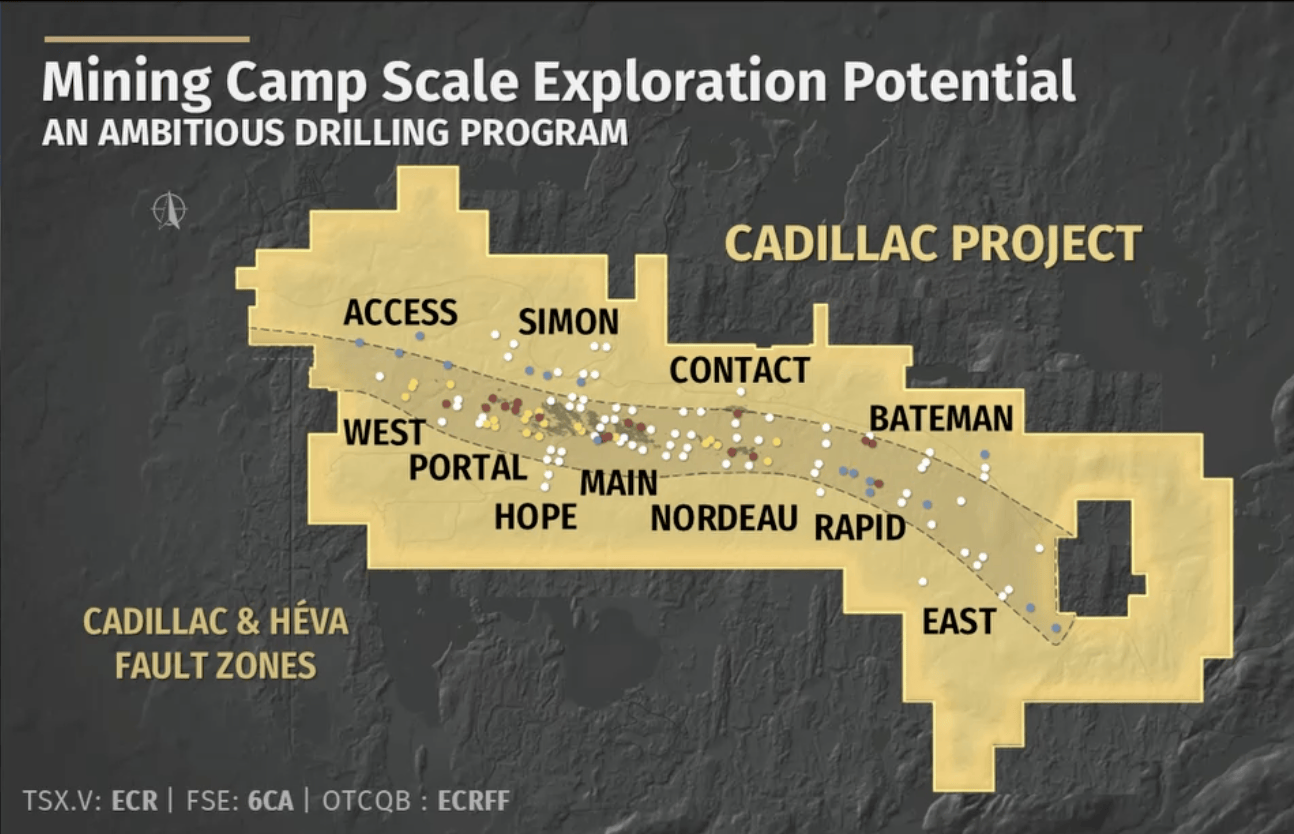
Cartier's core investment thesis revolves around the "mining camp" concept, which refers to a cluster of deposits along a single geological trend. The company's consolidated land package along the Cadillac fault, encompassing at least four different mineralization types over a 15-kilometer strike length, is viewed as an opportunity to hold and advance multiple such deposits within a single company. The company recently began trading on the U.S. OTCQB market and plans to attend major conferences such as the Denver Gold Show, the Beaver Creek Precious Metals Summit, and the New Orleans Investment Conference to broaden its investor base.
Related Products
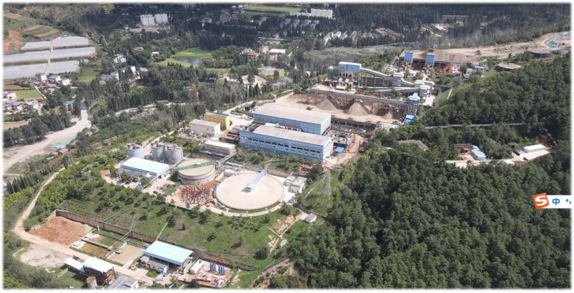

Yunnan Phosphorus Chemical Group Co., Ltd. 2 Million t/a Phosphorus Ore Mining and Beneficiation Project
China Bluestar Lehigh Engineering Corporation
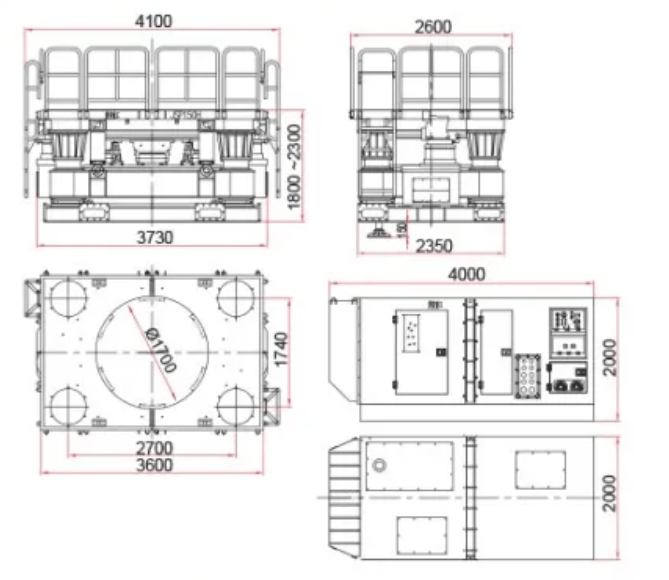
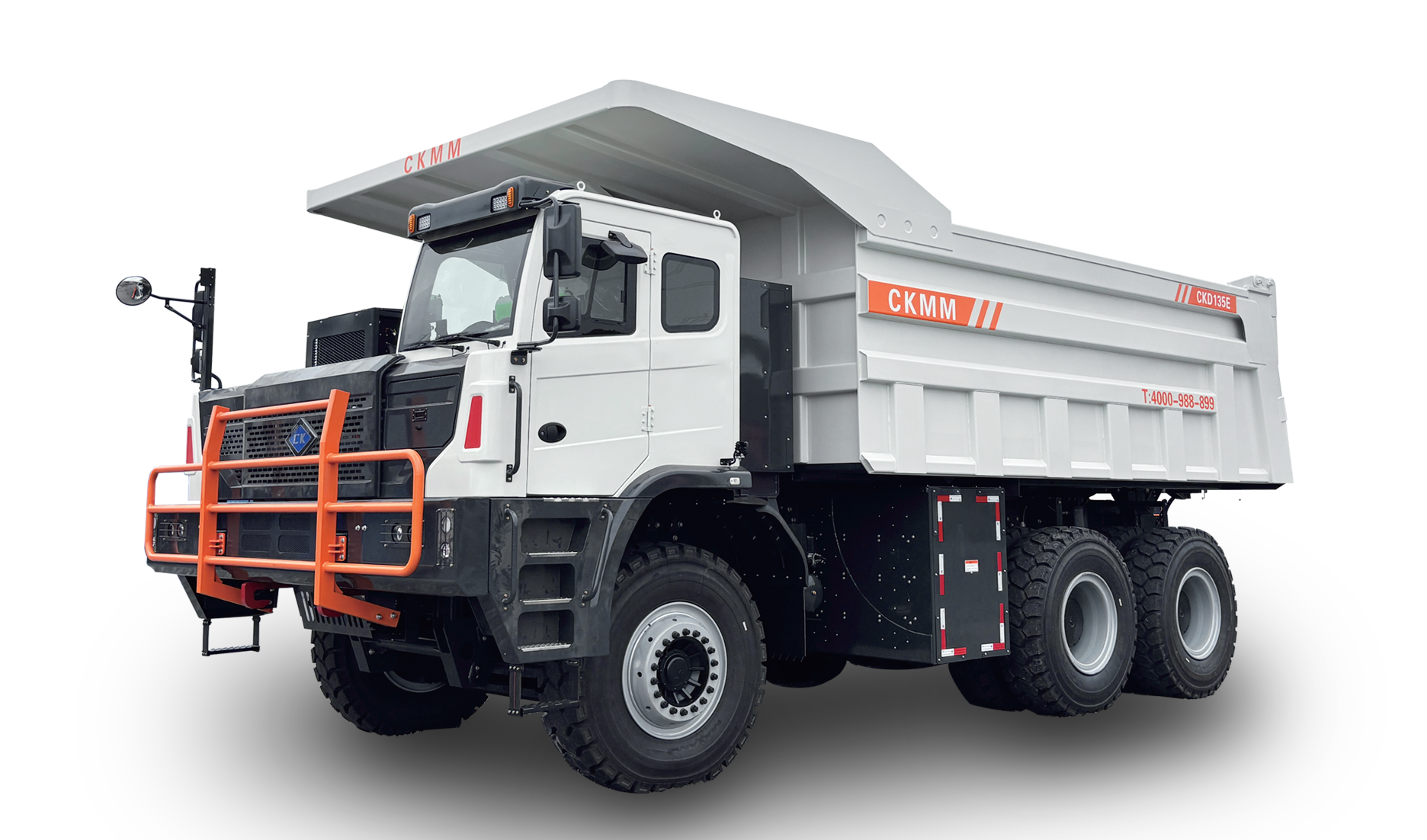
CKD135E Pure Electric Wide-body Dump Truck
Jiangsu Changkuang Engineering Machinery Co. Ltd.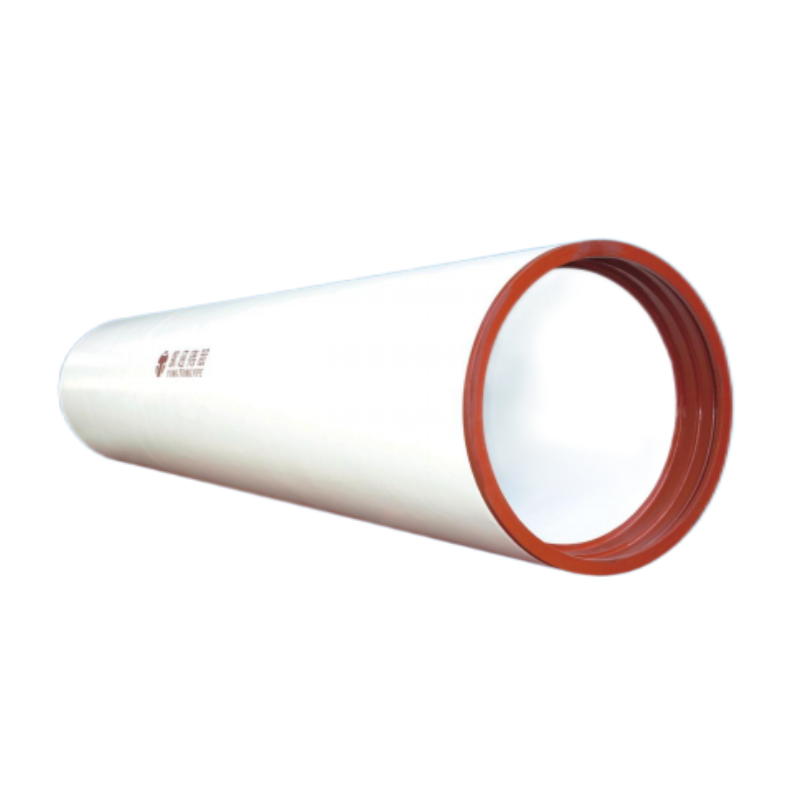
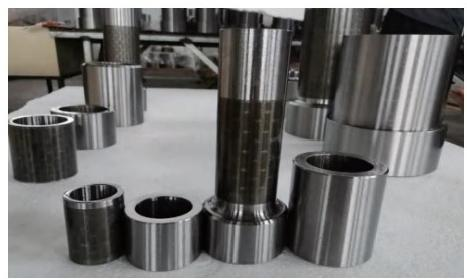
High-temperature Equal Wall Thickness High-power Screw Drilling Tool
Orient Energy & Technologies Co., Ltd.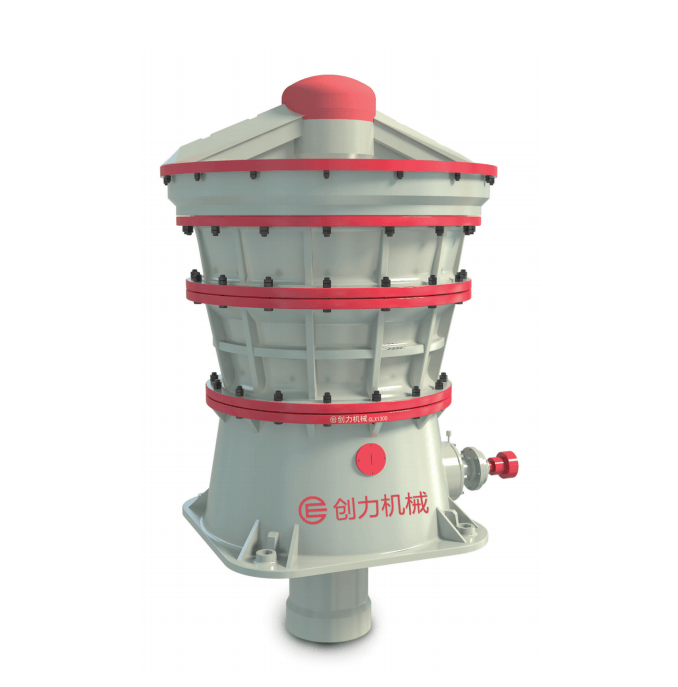
CLX Series Intelligent Hydraulic Gyratory Crusher
Guangdong CHUANGLI intelligent machinery Equipment Co., LTD
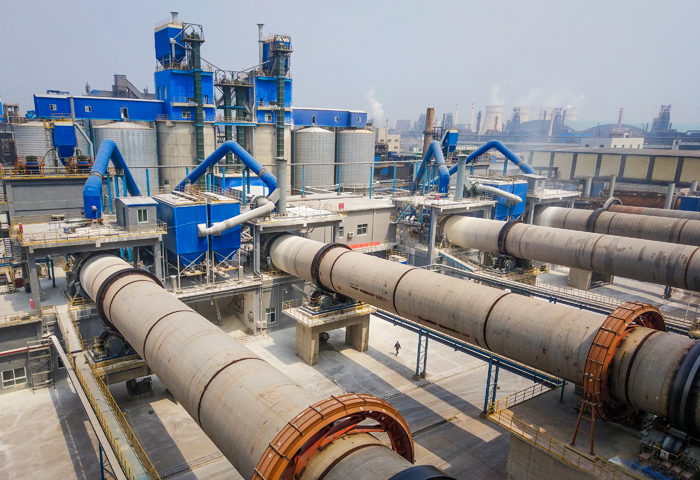
CITIC Heavy Industries Metallurgical Equipment Steel Smelting Engineering Equipment
CITIC Heavy Industries Co., Ltd.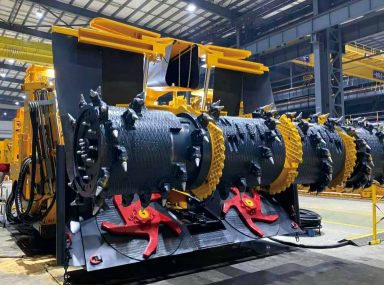
Integrated Excavation and Anchoring Machine (EJM Series)
China Railway Construction Heavy Industry Corporation Limited