UK's Axle Energy Secures $25 Million to Boost Smart Grid
en.Wedoany.com Reported - Axle Energy, a UK-based virtual power plant (VPP) operator, manages over 2 gigawatts of flexible capacity by aggregating more than 300,000 household devices. According to the company, the capacity it manages is comparable to the output of a single nuclear power plant.
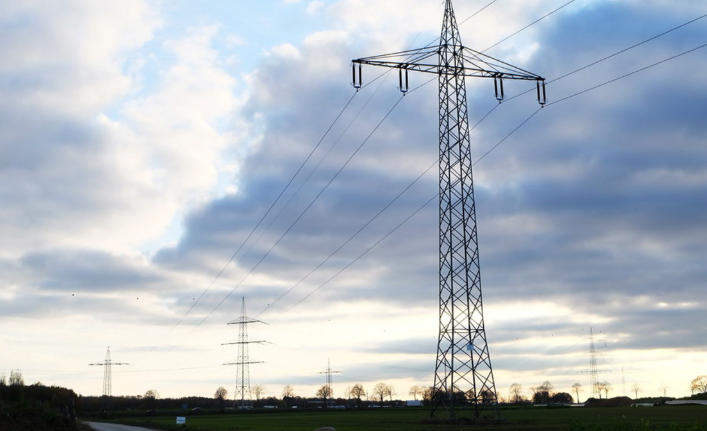
Building traditional energy infrastructure requires massive capital investment and causes significant environmental impact during construction. The UK's Hinkley Point C nuclear power plant, which began construction in 2017, is expected to cost tens of billions by its projected completion in 2030. According to the UK's National Energy System Operator (NESO), grid upgrades alone may require approximately $119 billion. These projects also involve substantial material usage, land disruption, and years of carbon-intensive construction activities.

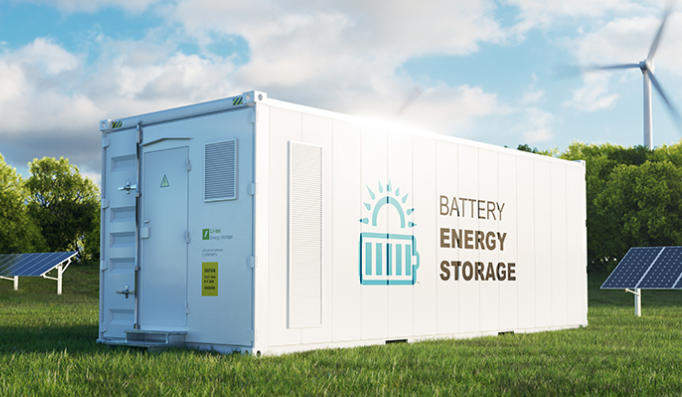
Virtual power plants (VPPs) offer an alternative management approach that unlocks existing resources without the need for new projects. This system connects distributed energy assets such as electric vehicle chargers, home batteries, and solar panels via a software platform, enabling these devices to operate collaboratively and adjust charging, discharging, or power consumption in real time based on grid supply and demand fluctuations. London-based Axle Energy operates such a network, with its 300,000 connected assets representing over 2 gigawatts of flexible capacity. According to the UK's National Grid, the average electricity demand in the UK over the past year was 30.7 gigawatts.
During peak energy consumption periods, the VPP can draw power from connected devices to smooth demand, such as discharging home batteries or adjusting smart thermostats, typically without users noticing. Participants earn an average of approximately £10 ($13.44) per month. According to the company, participants collectively received millions of pounds last year. Karl Bach, CEO and co-founder of Axle Energy, stated that millions of electric vehicle chargers, home batteries, and heat pumps already contain flexible capacity but remain largely idle, and virtual power plants can unlock this capacity to support the grid during peak demand and reduce reliance on volatile fossil fuel markets.
The environmental benefits of this technology include avoiding carbon emissions from new infrastructure construction, while also reducing the frequency of starting gas peaker plants—one of the most carbon-intensive forms of electricity generation—by lowering peak demand.
Axle Energy raised $25 million in a funding round led by Energize Capital, with plans to use the funds for expansion in the UK and international markets, as well as to establish partnerships with automakers, utilities, and fleet operators. According to Axle, there are approximately 75 million eligible energy assets in Europe and the United States, corresponding to about 375 gigawatts of potential capacity. Karl believes that virtual power plants can bring flexible capacity online faster than building new infrastructure—within weeks rather than years—helping to address grid pressure from growing AI electricity demand.
Tyler Lancaster, Partner at Energize Capital, said that the team has been studying the VPP market for a decade, and Axle brings the most comprehensive vision and scalable business model. Zhenya Loginov, Partner at Accel, believes that flexibility will become one of the most important layers in the modern energy stack, and Axle has already established a leading position with over 300,000 connected devices and more than 2 gigawatts of managed capacity.
Related Products
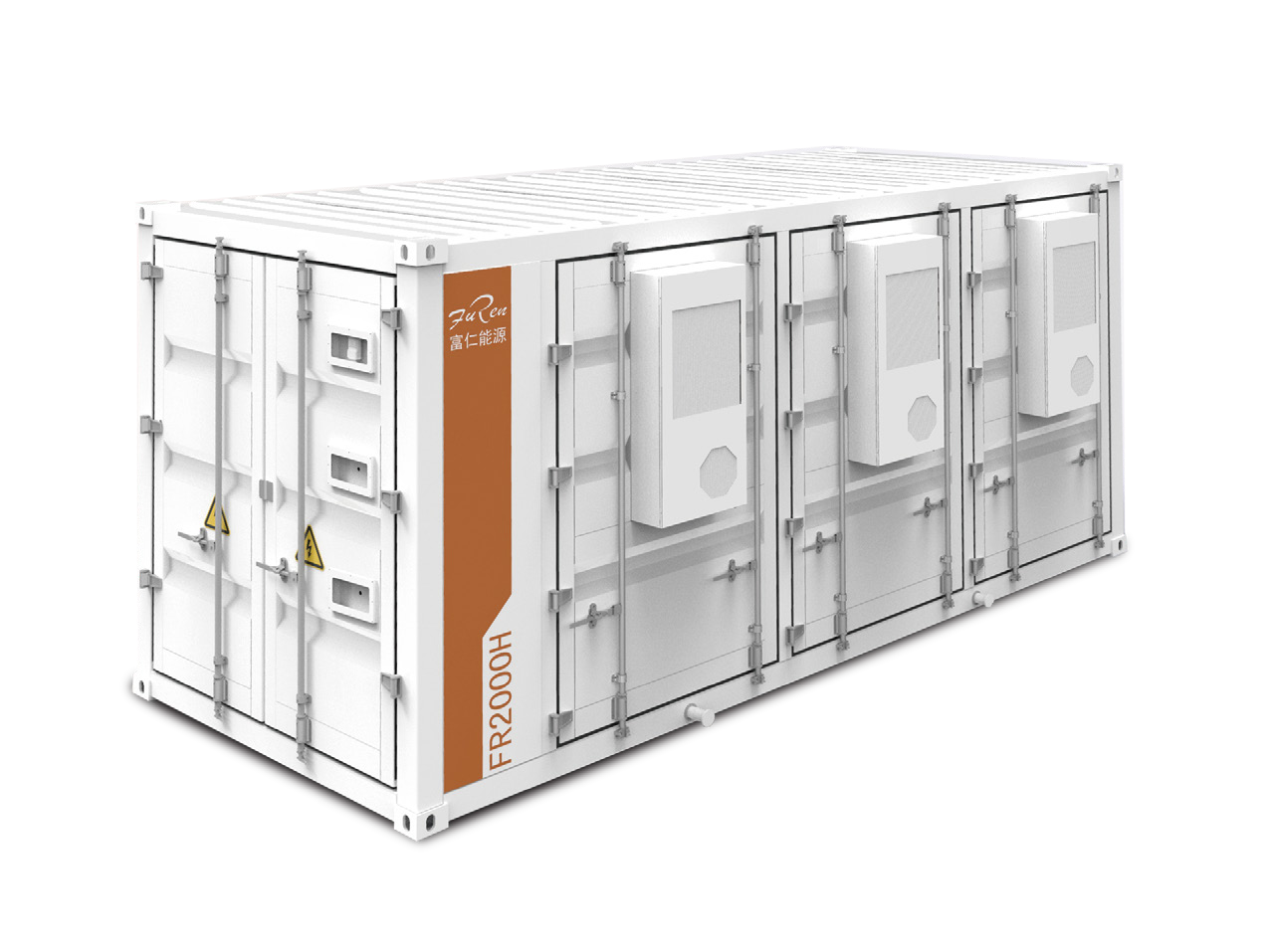

FR2000H 2.15MWh (Air-cooled) 20-foot Containerized Energy Storage System
Jiangyin Furen High-tech Co., Ltd.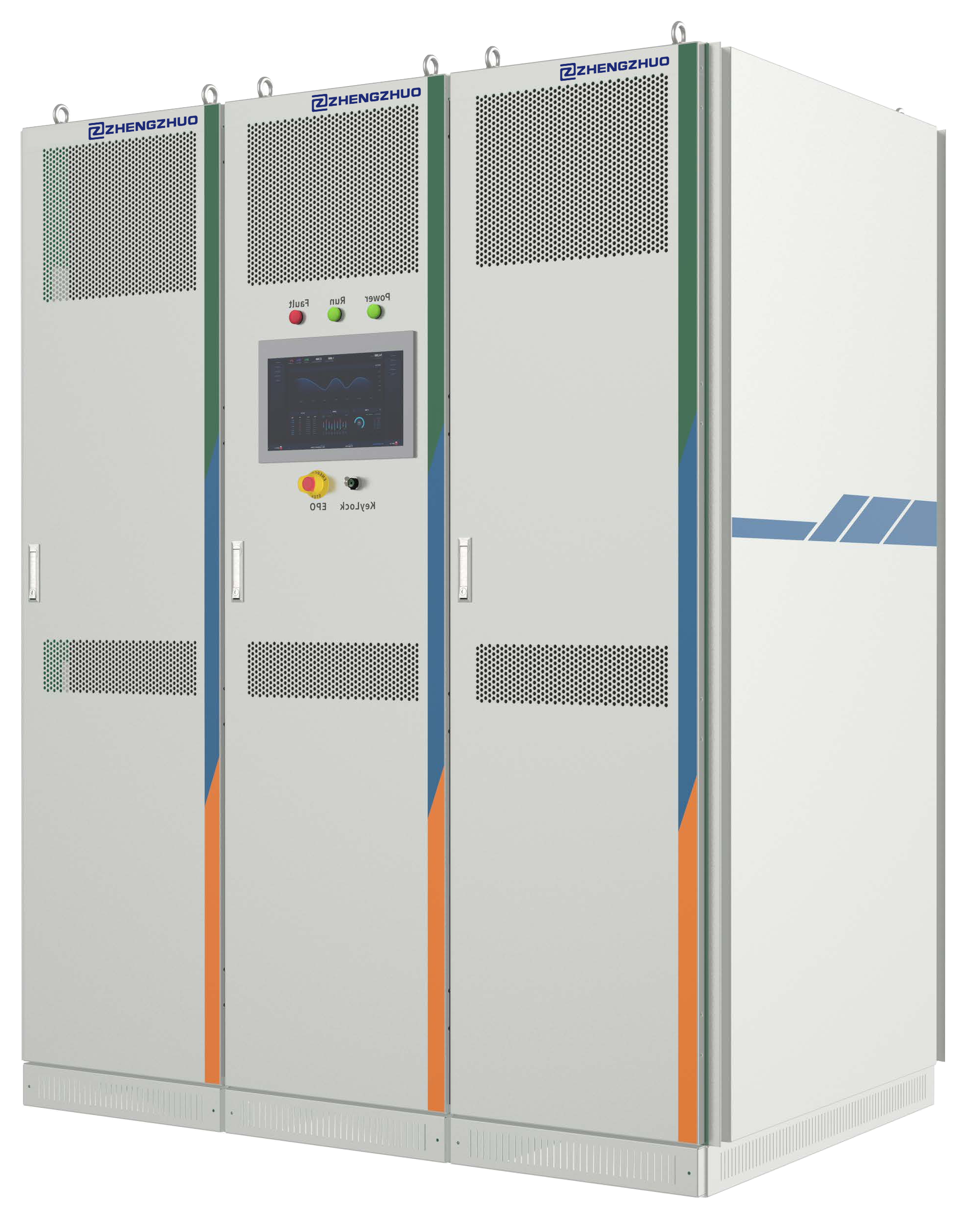
IGBT Hydrogen Production Power Supply - High Power Air Cooling
Beijing Zhengzhuo Engineering Technology Co., Ltd.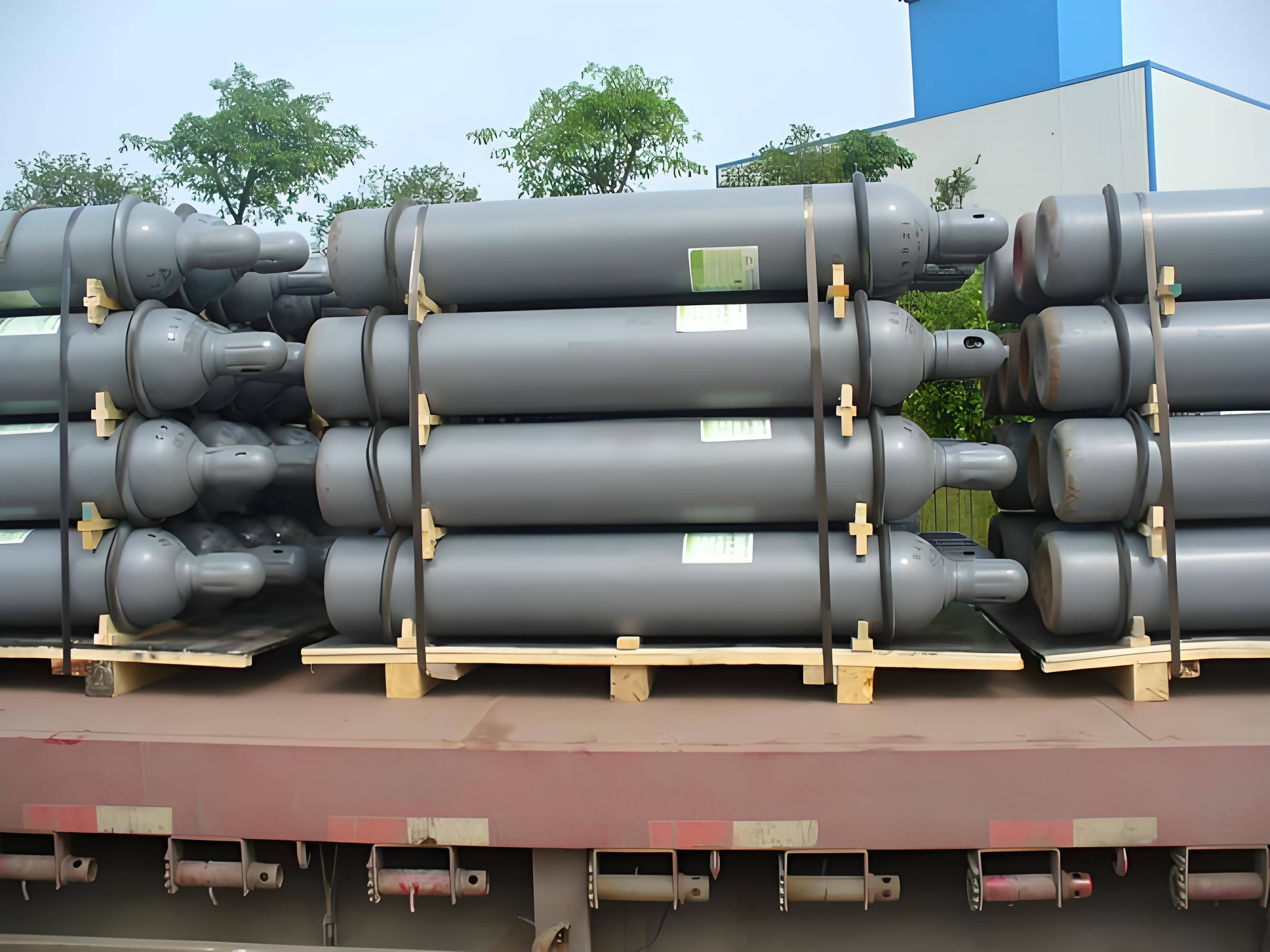
Global Sulfur Hexafluoride Gas Supply and Cylinder Export
Foshan Yuexin Industrial Gas Co., Ltd.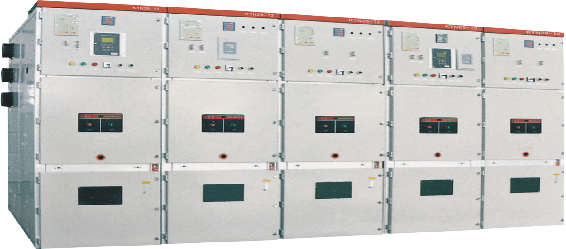
KYN28-12/24 Indoor High-Voltage Metal-Clad Removable Switchgear
Shenzhen Zhaoyang Hui Technology Co., Ltd.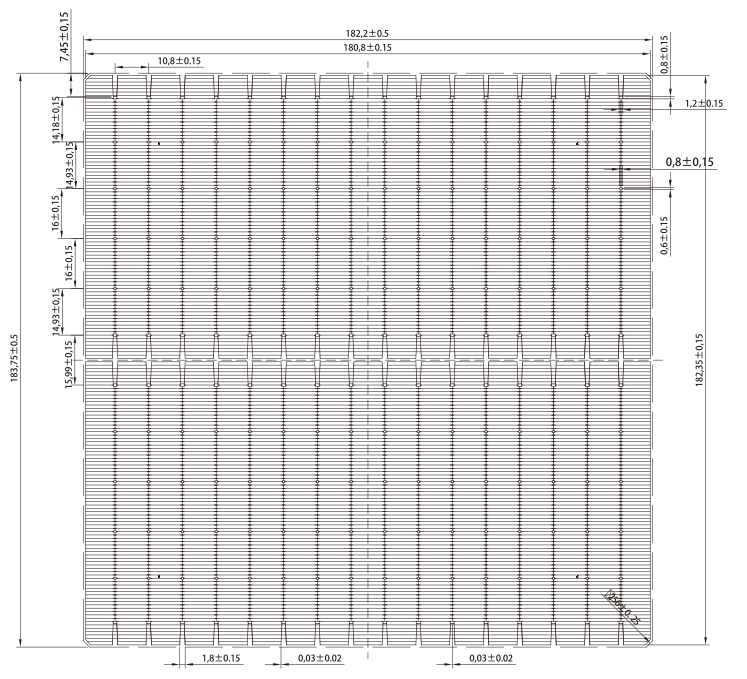

Electromagnetic Fluid Seawater Floating Oil Separation and Recover Equipment
Huate Magnet Group Co., Ltd.