Overseas Energy Projects Need Integrated Planning and Local Delivery Capability
en.Wedoany.com Reported - As renewable energy capacity expands, grid investment pressure rises and industrial parks pursue lower-carbon operation, Source Grid Load Storage Integration is becoming an important overseas opportunity for renewable energy and power equipment companies. Compared with exporting solar modules, batteries, inverters or distribution equipment separately, integrated projects require system planning, grid-connection capability, load management, revenue modeling and long-term operation.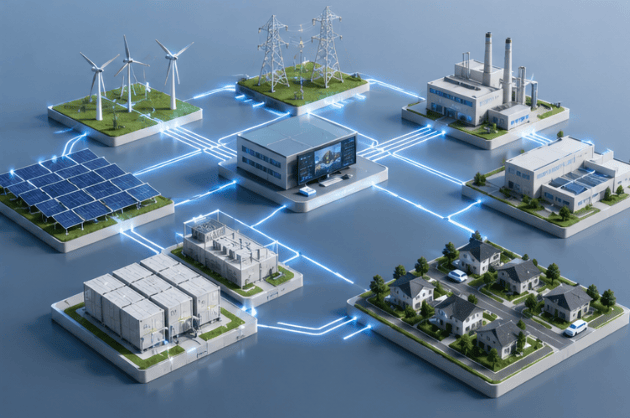
Demand varies across markets. Europe and North America focus more on power market flexibility, distributed energy access, virtual power plants, demand response and grid service revenue. Markets with high renewable penetration, such as Australia, Chile and the United Kingdom, need storage and demand-side resources to manage variability. In parts of the Middle East, Southeast Asia, Africa and Latin America, customers may face weak grids, diesel replacement needs, industrial park expansion, strong solar resources and insufficient supply reliability.
These markets are not looking only for individual devices. They need complete solutions adapted to local tariffs, grid conditions and load profiles. A system that works in one market may need different sizing, control logic and revenue assumptions in another.
The first barrier is grid connection and dispatch rules. Requirements for storage interconnection, solar export, power control, frequency response, reactive support, low-voltage ride-through, protection configuration and communication protocols differ by country. If a supplier provides hardware but cannot support simulation modeling, interconnection review, dispatch interfaces and site commissioning, the project may face delays during approval or acceptance.
The second barrier is the business model. Revenue may come from time-of-use optimization, demand management, ancillary services, reserve capacity, solar self-consumption, diesel replacement, carbon reduction and reliability improvement. Electricity tariffs and policy mechanisms differ widely, so the revenue structure also differs. Suppliers need to help customers build revenue models that are calculable, verifiable and operable.
In the future, overseas source-grid-load-storage projects will move from equipment package sales to energy system capability delivery. Companies with solar, wind, storage, distribution, EMS, load control, grid studies, financial modeling and local operation capability will be better positioned in overseas industrial parks, mining areas, island microgrids, data centers and renewable energy bases.
Related Products
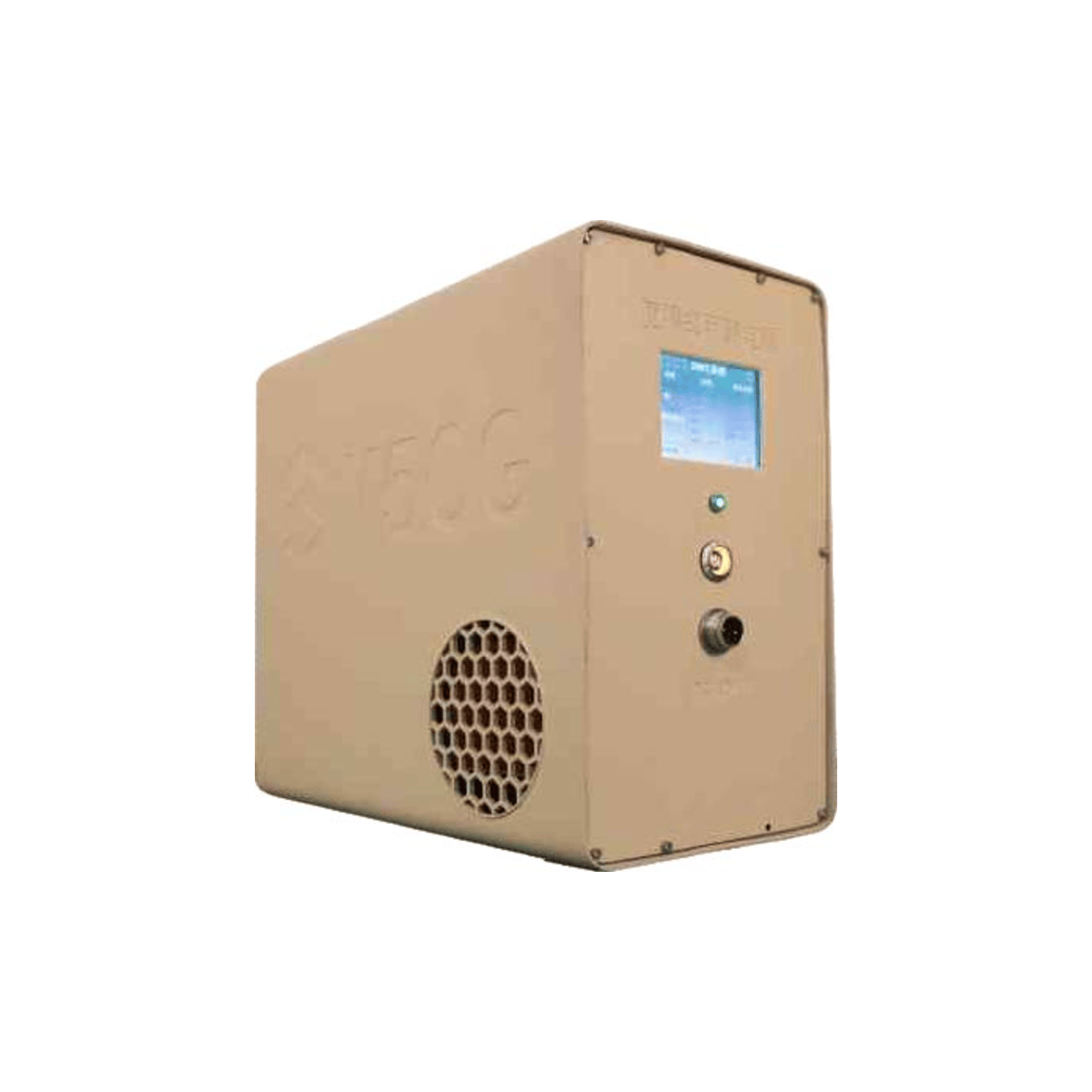

SFC-60 Individual Portable Power Supply, High Specific Energy Methanol Portable Power Supply
Automation Research Institute Co., Ltd. of China South Industries Group Corporation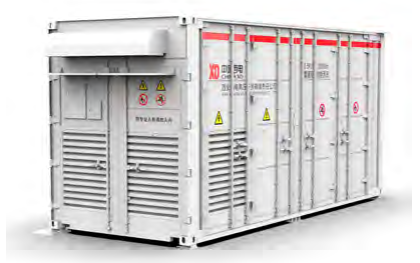
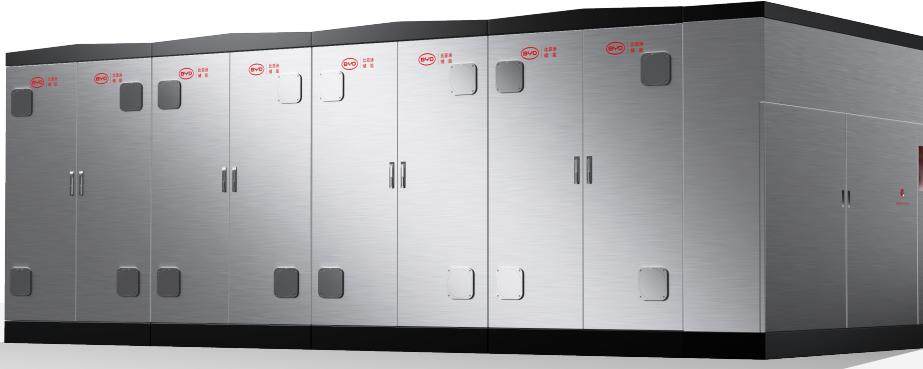
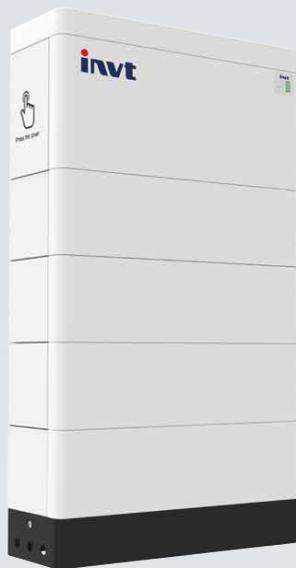
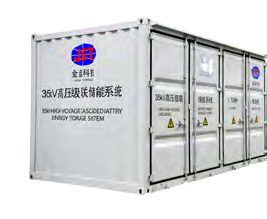
6kV-35kV Medium and High Voltage Direct-Connected Energy Storage System
Hainan Jinpan Smart Technology Co., Ltd.

Microgrid energy storage inverter module
Beijing Zhiyuan Xinneng Electric Technology Co., Ltd.