Negative Power Price Hours Rise in Europe in H1 2026, Reshaping Solar-Storage PPA Market
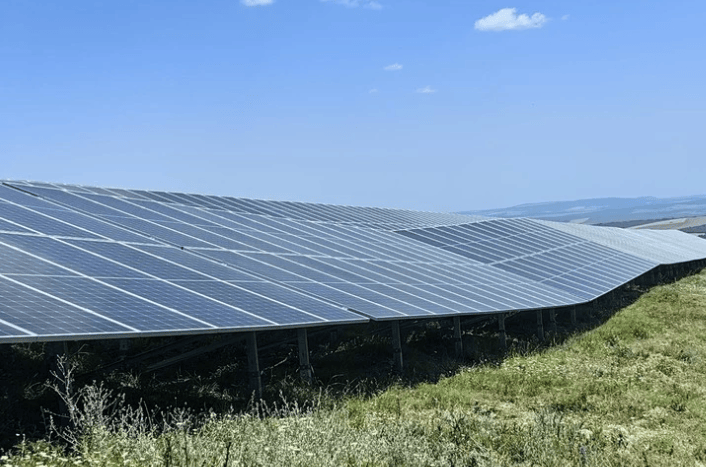
en.Wedoany.com Reported - Europe's power market is facing a dual challenge of oversupply from solar photovoltaic (PV) generation and time-based shortages. According to data from S&P Global, in the first half of 2026, negative power price hours across the five major EU markets, including the UK, were approximately 2% higher than the record levels set in the same period of 2025. In 2025, total negative price hours were more than 13 times those of 2022. High PV generation combined with moderate demand, wind output, and limited grid flexibility is intensifying periods of oversupply.
During peak solar generation hours, the number of low or negative price hours is increasing. At the same time, summer evenings are seeing more instances of significant price spikes, when flexible plants such as gas-fired units must rapidly ramp up output to compensate for the decline in solar generation after sunset. Inter-market differences remain significant: France recorded the most negative price hours, with its high nuclear output putting pressure on regional power prices; Germany's higher natural gas prices supported electricity prices during the summer; and Italy, due to its greater reliance on gas-fired generation, saw no negative price hours. However, this trend is spreading across most European markets.
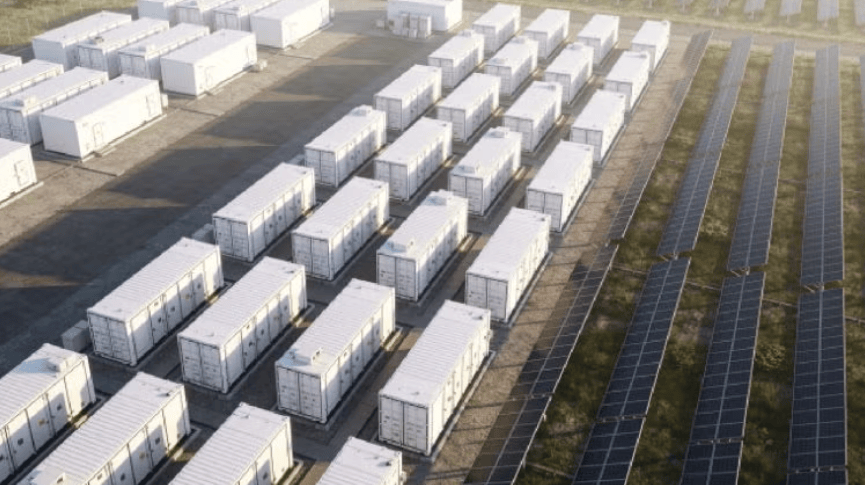
The increasing volatility of power prices is reshaping revenue expectations for battery storage. Data from Platts, part of S&P Global Energy, shows that in the second quarter of 2026, the daily peak wholesale price spread available to batteries in Germany exceeded €650/MWh, averaging around €200/MWh, higher than levels in Spain and the UK. In solar-dominated regions such as Spain, recent developments are strengthening investment opportunities in large-scale storage.
This situation is also redefining revenues for solar projects exposed to market risk. Currently, approximately 10%-15% of European solar capacity faces merchant risk, while over 61 GW is contracted through power purchase agreements (PPAs). In Germany, only about 9% of installed total capacity is directly exposed to the market. S&P Global believes the issue is not the economic competitiveness of solar technology, but rather the unadjusted value loss of PV generation during peak hours—the electricity generated by solar plants may find it increasingly difficult to align with moments when the system needs energy or when energy holds higher market value.
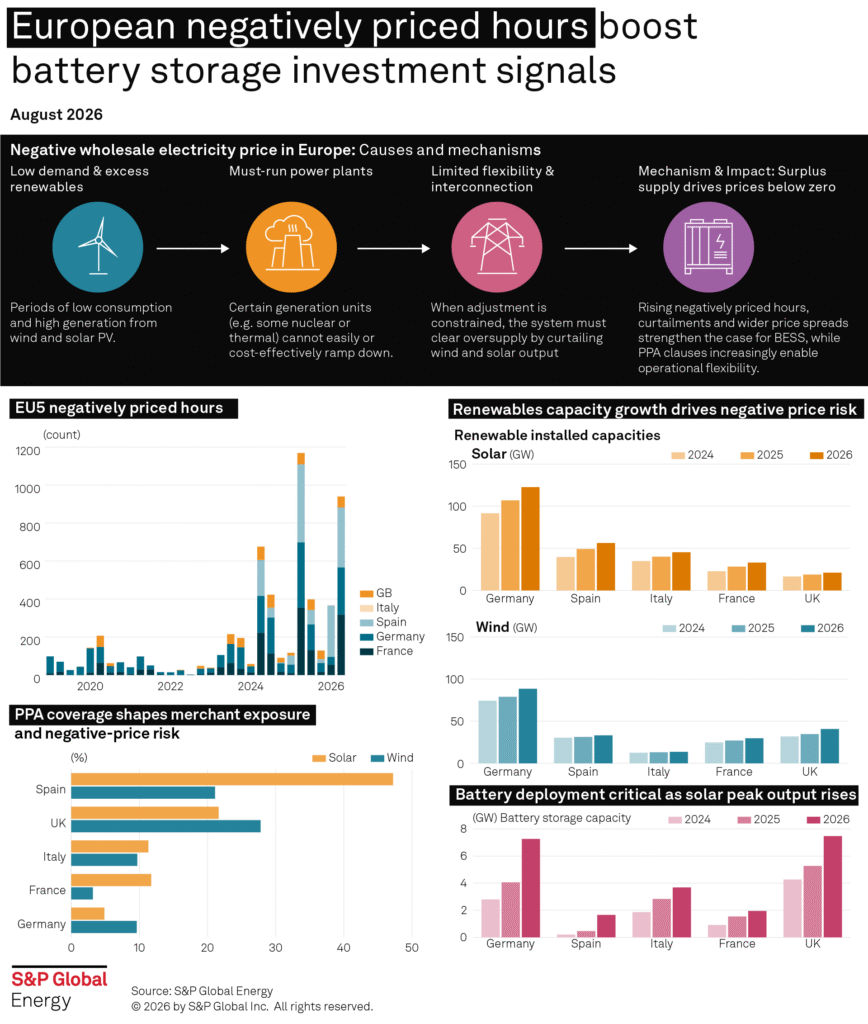
This dynamic is also transmitting to the PPA market. In traditional "pay-as-produced" contracts, where buyers purchase electricity based on the plant's actual output, such contracts were designed on the assumption that renewable generation typically holds high value at the time of production and that risks related to the time-of-day curve are more manageable. In markets with high solar penetration, this model now implies greater time-of-day curve risk: buyers receive power when the plant generates, regardless of whether that aligns with their consumption needs or favorable pricing periods.
In 2025, standalone solar PV accounted for more than 55% of announced PPA deals in Europe; in the first half of 2026, its share fell to about one-third, with contracted volumes below 3 GW. Bruno Brunetti, Head of Renewable Revenue Streams at S&P Global Energy Horizons, stated that buyers still need renewable energy but are increasingly seeking contract structures that explicitly manage delivery timing, price capture, and exposure to negative price hours. "The decline in standalone solar project signings indicates that negative prices are becoming a structural issue in PPA design, not merely a market risk issue."
In this context, the combination of different technologies is becoming increasingly important. This evolution is driving a transition toward asset aggregation and more structured energy products. According to S&P Global, the industry is converging toward a model of hourly matching between generation and demand, with hourly certificates and other granular certification systems potentially becoming the next step in corporate clean power procurement. The ongoing revision of the GHG Protocol Scope 2 global standard is also exploring methods to bring market-based claims closer to the actual timing of electricity use; this standard covers indirect greenhouse gas emissions from purchased and consumed electricity, steam, heating, and cooling. Brunetti believes that incorporating the time value of renewable generation through hourly matching mechanisms can strengthen investment signals not only for wind and solar but also for batteries, flexible hydropower, and other resources needed to meet demand during shortage periods. The transformation of the PPA market reflects deeper changes in Europe's power system: the value of renewable energy is increasingly determined not simply by the volume of generation, but by its availability when the system needs it.
Related Products

Standard Nozzle Flowmeter
Jinggong Automatic Control Instrument Complete Technology Development Company

Prefabricated Houses and Electrical Energy Boxes
Chengdu Ruilong Machinery Manufacturing Co., Ltd.
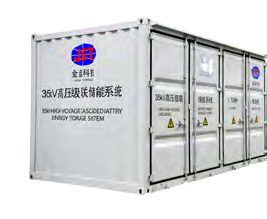
6kV-35kV Medium and High Voltage Direct-Connected Energy Storage System
Hainan Jinpan Smart Technology Co., Ltd.
High-voltage Direct Current (HVDC) Transmission System Research and Integrated Design
XI'AN XD POWER SYSTEMS CO., LTD.
Post-type AC Pollution-resistant Disc Suspension Porcelain Insulator (Triple Umbrella Type)
Shandong High Voltage Insulator Co., Ltd.
5012kWh DC Energy Storage System TD-EES-5012kWh
Suzhou Tongding Xindong Energy Storage Technology Co., Ltd.