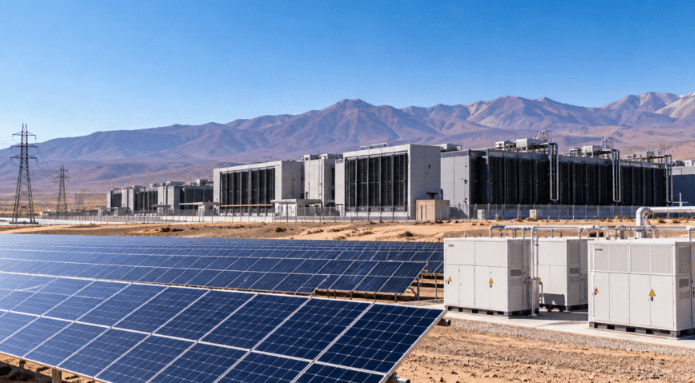
Chilean Solar Circular Project Recognized by Sustainable Campus Network for 2026
en.Wedoany.com Reported - The Solar Circular project has been recognized by the Sustainable Campus Network (Red Campus Sustentable) in the "Prosperity" category of its third RIIS edition for 2026. Developed by the Energy Development Center (CDEA-UA) at the Universidad de Antofagasta, this call for proposals received 129 applications from 42 higher education institutions across 10 countries.
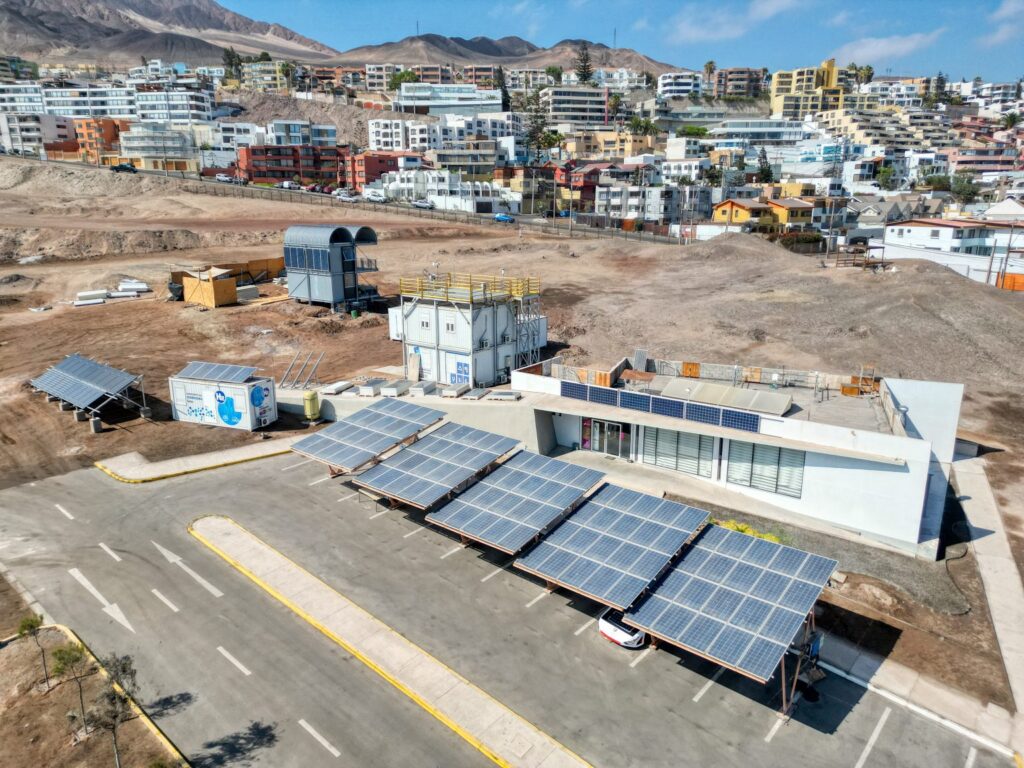
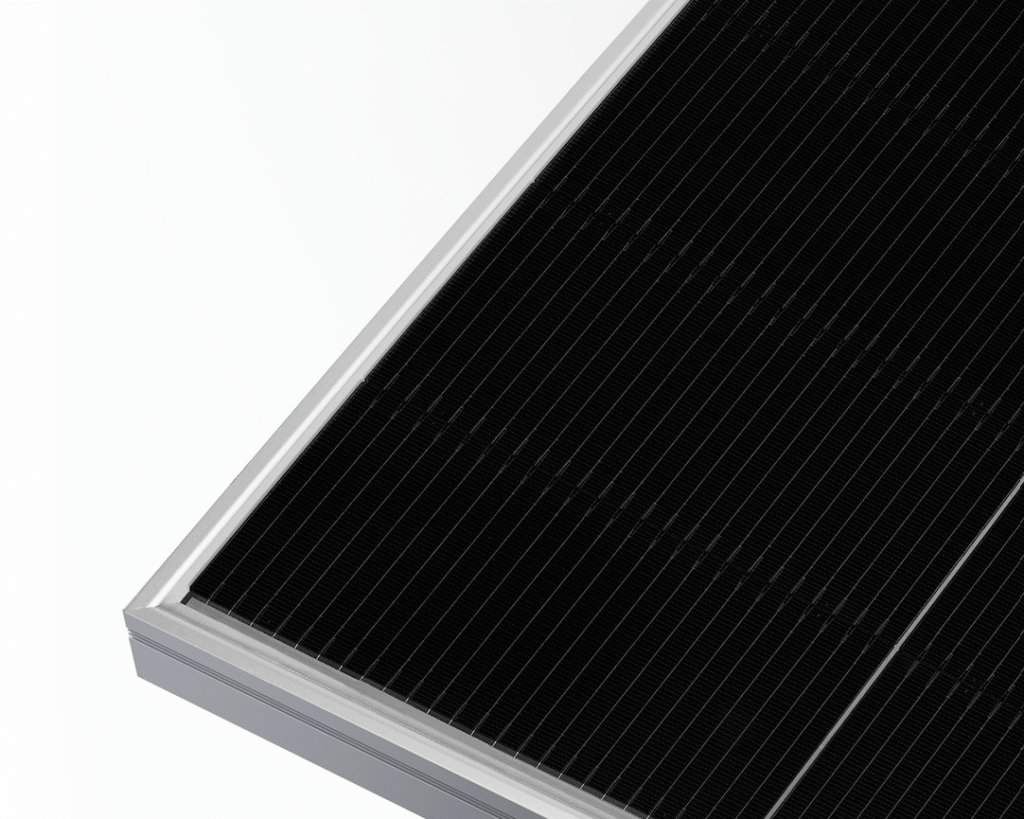
The project aims to extend the service life of decommissioned components from solar power plants and other energy facilities, preventing their premature conversion into waste. Its scope covers photovoltaic modules, electrochemical batteries, and solar salts, with the main outcomes of the second phase focused on the reuse of solar panels.
Solar Circular recently concluded its second phase, validating three applications for second-life photovoltaic modules under real-world conditions: an agricultural system in the Desierto Verde community, a solar carport at the ServiLinares facility, and sustainable housing applications related to a modular prototype developed in collaboration with CTEC.
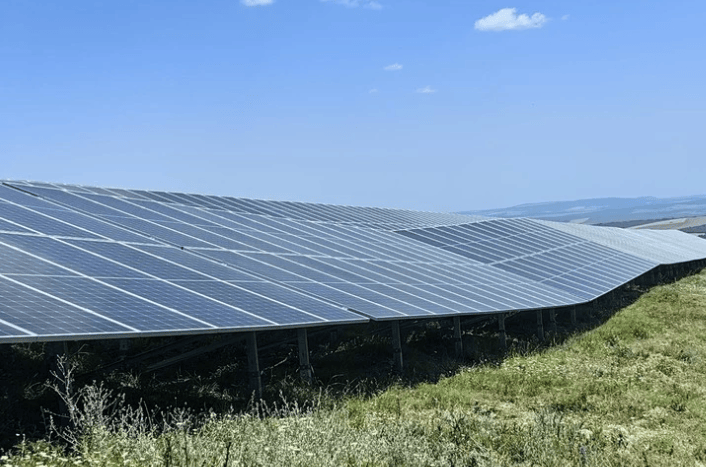
In the agricultural pilot, the system installed in the Desierto Verde community is equipped with 10 second-life photovoltaic modules, a hybrid inverter, and a 5 kWh lithium-ion battery. This installation powers a technical irrigation system and evaluates module performance through irradiance, temperature, and electrical parameter sensors.
The pilot located in the La Negra industrial zone of Antofagasta is set up at the ServiLinares facility, using 9 second-life photovoltaic modules connected to a 3 kW inverter. Solar Circular has also developed other experimental installations, including a carport made up of 100 reused panels at CDEA, and a 1.8 kW photovoltaic facade fitted with 6 second-life modules.
Another outcome of the project is a technical guide establishing standards for the decommissioning, storage, handling, inspection, and utilization of second-life photovoltaic modules. This document aims to serve as a reference for the creation or adjustment of regulatory frameworks concerning panel reuse in Chile.
Jorge Rabanal-Arabach, deputy director of Solar Circular and an academic at the Universidad de Antofagasta, noted that the project team has validated diagnostic, repair, and reuse protocols for modules together with international experts, and has provided training for regional stakeholders.
"As long as rigorous technical assessments are conducted to ensure safety and performance, a portion of decommissioned modules indeed holds second-life potential," said Rabanal-Arabach.
The first phase of Solar Circular aimed to establish technical and economic criteria for the second life of photovoltaic modules; the second phase, corresponding to the "Bienes Públicos 2023" program, shifted efforts toward practical applications and validated the technical and economic feasibility of repaired and reused modules.
Related Products

Quick-Change Single-Seat Control Valve / Quick-Change High-Pressure Single-Seat Control Valve
Beijing Consen Automation Technology Co., Ltd.
Ultrasonic Wind Speed and Direction Instrument
Kingmach Measurement & Monitoring Technology Co., Ltd.
TYC Series High-Efficiency Permanent Magnet Synchronous Motor
Xiangdian Smart Energy Technology Co., Ltd.
Forest and Grassland Heat Source Infrared Monitor
China Huayun Meteorological Technology Group Co., Ltd.
Jiujiang Pinggang 125MW Subcritical Gas Power Generation Project
Capital Engineering & Research Incorporation Limited