Grid Upgrades and Industrial Expansion Are Increasing Demand for Electrical Assemblies
en.Wedoany.com Reported - As grid modernization, renewable energy integration, industrial park construction, data center expansion and urban infrastructure upgrades continue, High and Low Voltage Electrical Assemblies are becoming one of the most fundamental equipment categories in power distribution systems. These assemblies may appear to be cabinet equipment in substations, electrical rooms or factory workshops, but they perform critical functions including power distribution, control, protection, fault isolation, metering and safe operation.
High and low voltage electrical assemblies include medium-voltage switchgear, low-voltage switchboards, distribution panels, ring main units, compact substations, motor control cabinets, control panels, reactive power compensation cabinets and automated distribution units. Different equipment types serve different voltage levels and application scenarios. High-voltage assemblies are often used in grid connection, substations, main industrial distribution systems and large power user facilities. Low-voltage assemblies are widely used in production lines, buildings, commercial complexes, pump stations, wastewater plants, charging stations and data centers.
The value of electrical assemblies is not only delivering power. They must operate correctly during short circuits, overloads, ground faults, voltage fluctuation and equipment abnormalities. For continuous production plants, a distribution failure may lead to production interruption, equipment damage and delivery delay. For data centers, hospitals, rail transit systems and water treatment facilities, assembly reliability is directly connected with service continuity.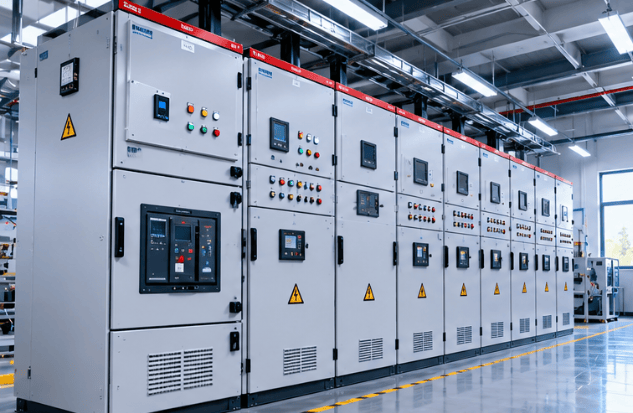
Equipment selection is now moving beyond rated voltage and current. Engineers need to evaluate short-circuit withstand capability, temperature rise, internal arc protection, insulation level, busbar design, enclosure protection, circuit breaker performance, relay protection, communication interfaces and maintainability. Low-voltage assemblies require attention to breaking capacity, selective protection, withdrawable unit reliability and power quality control. Medium-voltage assemblies place more emphasis on switching performance, interlocking safety, partial discharge control and environmental adaptability.
In the future, high and low voltage electrical assemblies will develop toward modular design, digital monitoring, standardization and higher reliability. As distribution systems become more digital, assemblies will no longer be passive power distribution equipment. They will become data collection and condition monitoring nodes. Suppliers with standards knowledge, system design capability, manufacturing consistency, intelligent monitoring and project delivery experience will be better positioned in grid, industrial, renewable energy and infrastructure supply chains.
Related Products
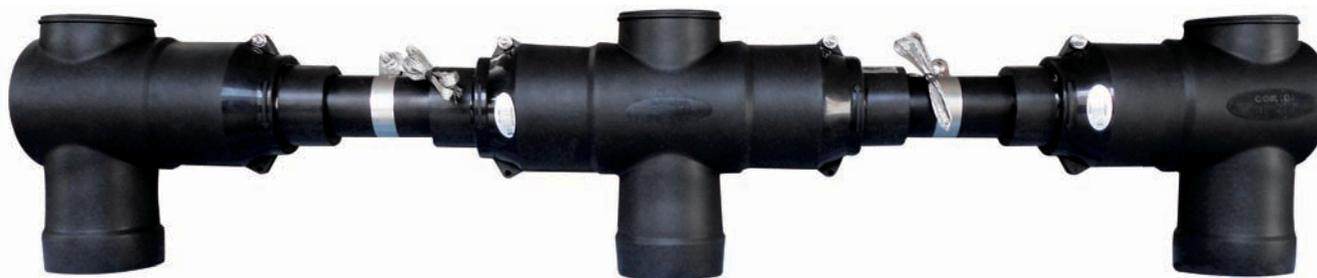

24kV, 15kV/1250A, 630A Shielded Three(Four)-Way Hard Busbar and Busbar Connector
Beijing Fangyuan Electric Appliance Co., Ltd.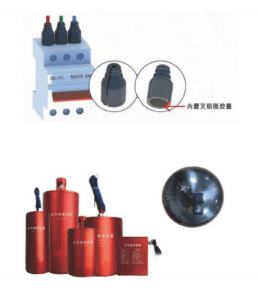
Anti-re-ignition Flame Extinguishing Series Products
CHINA RAILWAY HIGH-SPEED ELECTRIFICATION EQUIPMENT CORPORATION LIMITED

G.652.D Wavelength-extended Non-dispersion Shifted Single-mode Optical Fiber
HONGAN GROUP CO., LTD.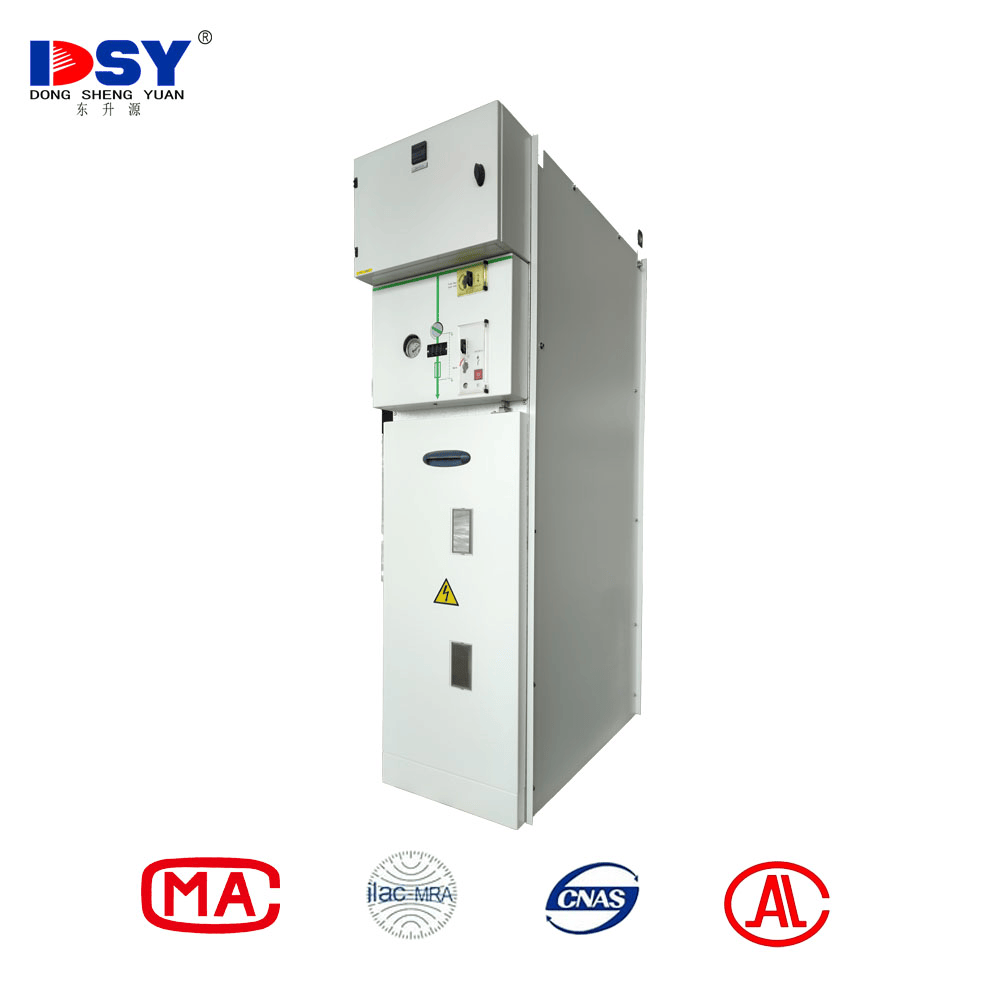
XGN15-12 12kV Air Insulated Ring Main Unit
Shenzhen Dongshengyuan Electrical Equipment Co., Ltd.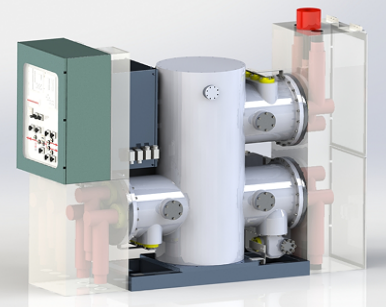
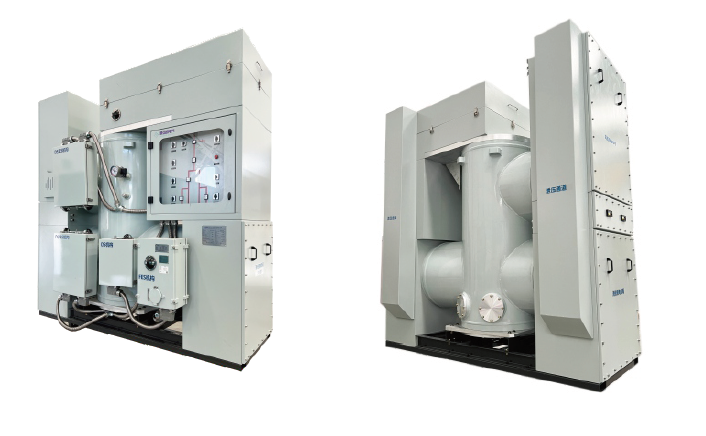
72.5kV 1250A 31.5kA SF6 free Gas-insulated Metal-enclosed Switchgear
Zhejiang Juhonkia Intelligent Electric Co., Ltd.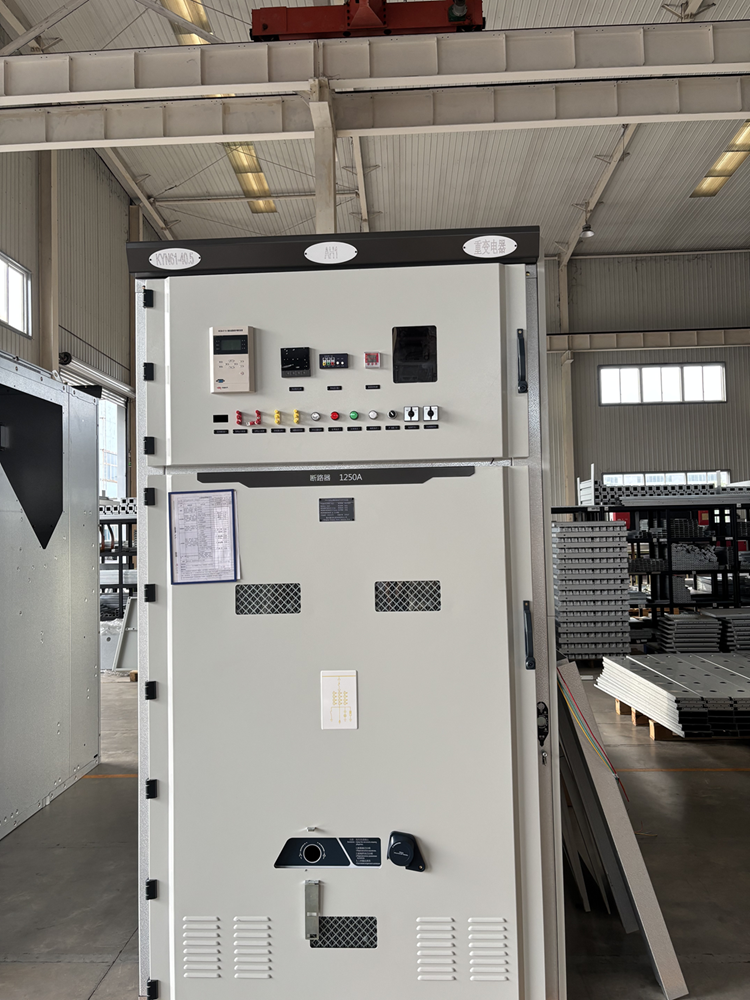
KYN61-40.5 Indoor AC Metal-clad Removable Switchgear
Chongqing Transformer Co., Ltd.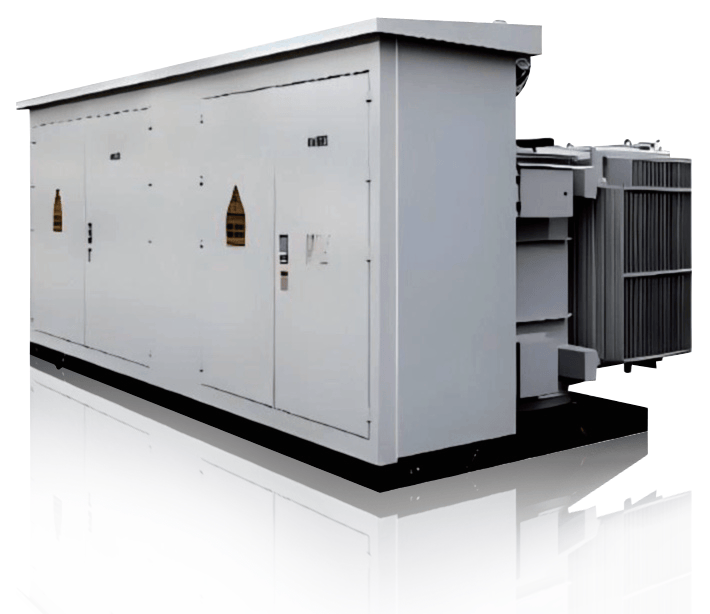
H-40.5/0.4~1.14kV New Energy Power Generation Dedicated High Voltage/Low Voltage Prefabricated Substation
XJ (Xiamen) Intelligent Power Equipment Co., Ltd.