Overseas Electrical Projects Require Standards Adaptation and Delivery Capability
en.Wedoany.com Reported - Global grid expansion, industrial park construction, renewable energy projects, data centers, mining, petrochemical facilities, water treatment plants and commercial infrastructure are increasing overseas demand for High and Low Voltage Electrical Assemblies. For panel builders and electrical equipment suppliers, international business is no longer only about selling switchgear, distribution cabinets or control panels. It means participating in electrical design, standards adaptation, equipment packaging, commissioning and long-term operation support.
Regional market requirements differ significantly. Europe and North America often place stronger emphasis on certification, product consistency, internal arc protection, environmentally oriented insulation solutions, digital monitoring and complete documentation. Southeast Asia, the Middle East, Africa and Latin America combine new grid construction, industrial expansion and infrastructure upgrading. Customers in these regions may focus more on cost performance, delivery time, environmental adaptability and site service.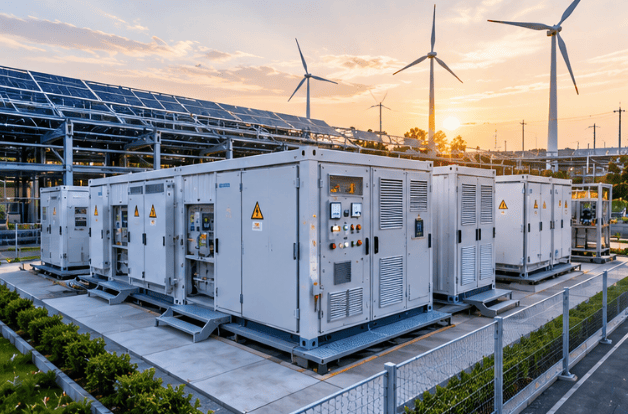
Applications such as mines, ports, oil and gas facilities, data centers and renewable energy stations may also require dust protection, moisture resistance, corrosion resistance, high-temperature adaptability and remote operation capability. A standard indoor cabinet may not be suitable for every environment.
Standards adaptation is the first barrier. Overseas projects may use IEC, EN, UL, IEEE or owner-specific specifications. Rated voltage, short-circuit capability, temperature rise, cabinet structure, separation form, protection degree, grounding method, busbar system, test reports and nameplate marking can all be clearly defined. If a supplier manufactures only according to familiar domestic drawings, problems may appear during technical clarification, factory acceptance or site installation.
Delivery capability is equally important. Electrical assemblies are closely linked with transformers, cables, cable trays, automation systems, fire systems and civil installation. Overseas project schedules are often tight, and equipment arrival sequence, packaging protection, sea freight planning, spare parts lists, drawing versions and commissioning documents can all affect progress.
In the future, exporting high and low voltage assemblies will move from product trading to electrical system capability delivery. Suppliers with international standards knowledge, customized design, intelligent integration, manufacturing consistency and local service networks will be better positioned in overseas grid, industrial park, renewable power, data center and infrastructure projects.
Related Products
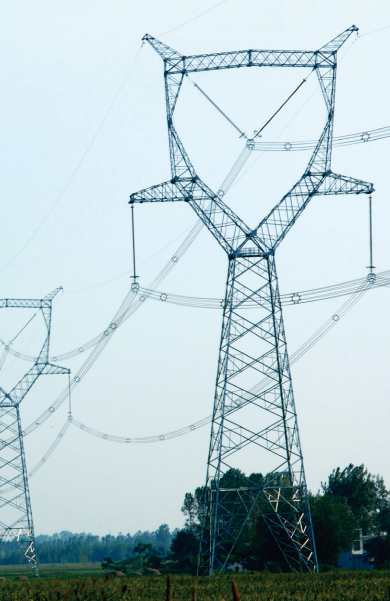

1000kV Jin Southeast-Nanyang-Jingmen UHV AC Transmission and Transformation Pilot Demonstration Project
Anhui Hongyuan Steel Tower Co., Ltd.
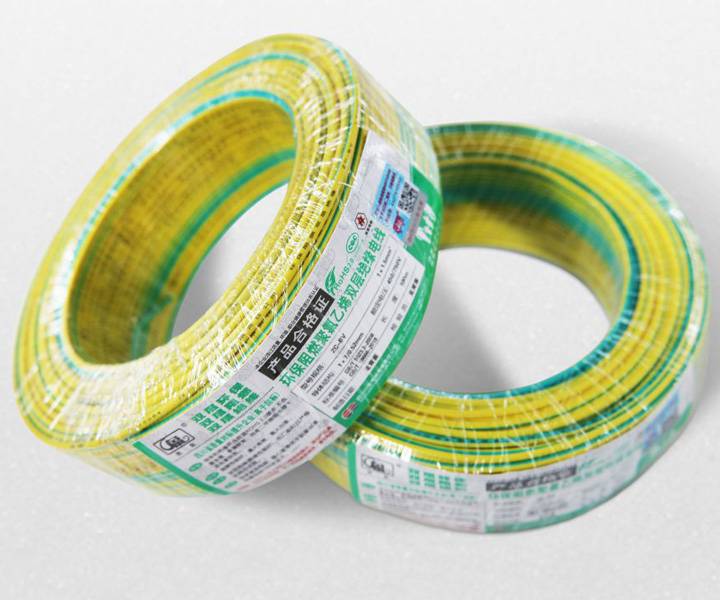
Environmentally Friendly Flame-retardant PVC Double-layer Insulated Wire
Sichuan Chndo Cable Co., Ltd.
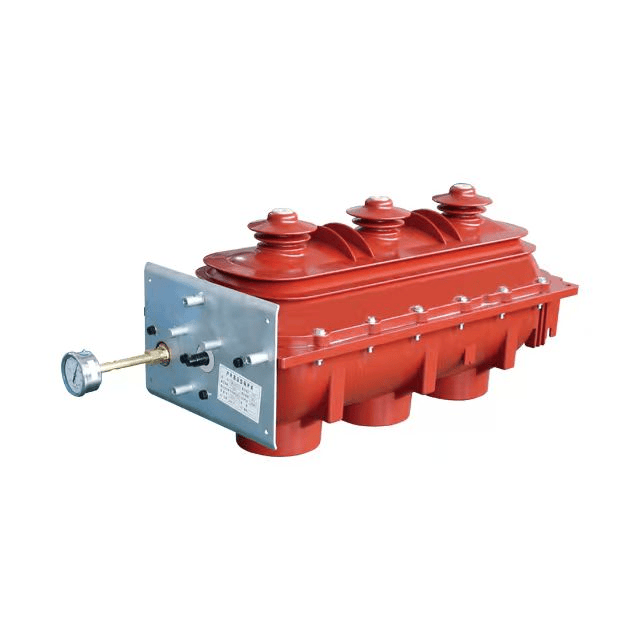
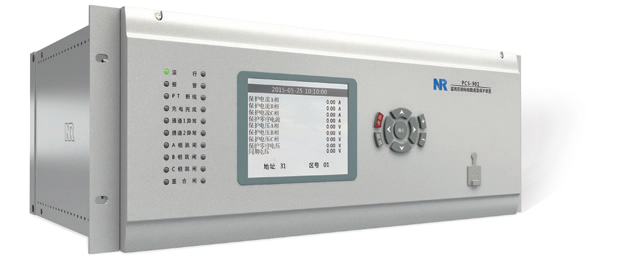
PCS-901 Series Ultra (Extra) High-voltage Transmission Line Complete Protection Device
Nanjing NR Electric Co., Ltd.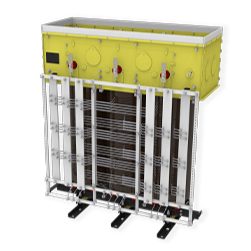
Multi-Winding Converter Transformer for Variable Frequency Speed Control
Newonder Special Electric Co., Ltd.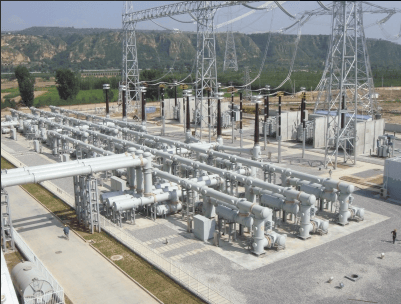
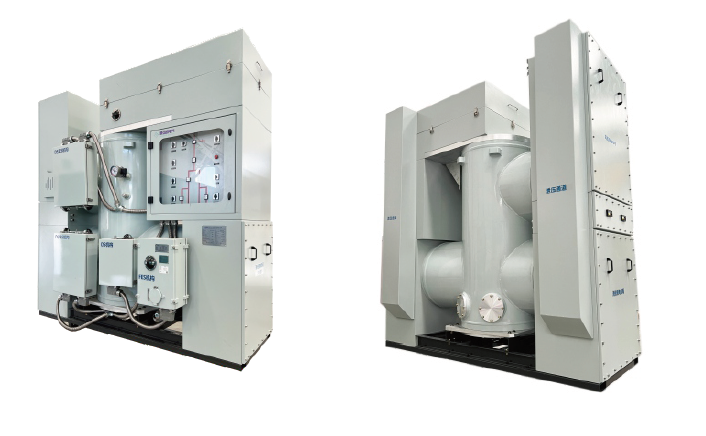
72.5kV 1250A 31.5kA SF6 free Gas-insulated Metal-enclosed Switchgear
Zhejiang Juhonkia Intelligent Electric Co., Ltd.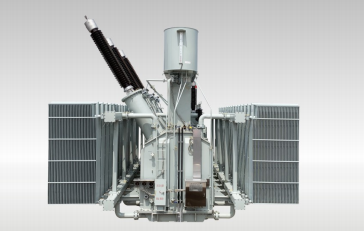
220kV and Below Voltage Level Energy-saving Oil-immersed Power Transformers
FuZhou TianYu Electric Co., Ltd.