China's Harbin Institute of Technology Proposes Laser Power Transmission Optimization, Achieving 24% Energy Coverage in Lunar Shadowed Regions
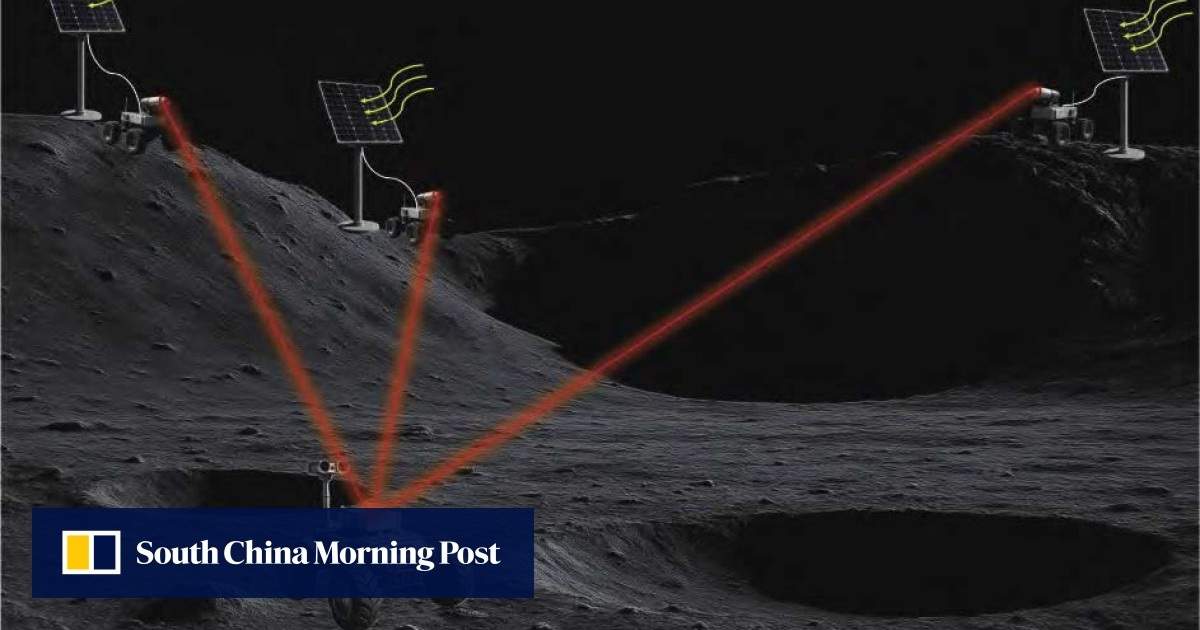
en.Wedoany.com Reported - Researchers at Harbin Institute of Technology have proposed a new power supply solution for lunar rovers, enabling them to explore craters without relying on long cables or heavy batteries. The solution focuses on the lunar south pole, leveraging the fact that the towering rims of local craters can receive near-constant sunlight, while nearby permanently shadowed craters remain in darkness and are believed to contain abundant water ice.
In this peer-reviewed study published in the Journal of Deep Space Exploration, a team of scientists from Harbin Institute of Technology proposed an optimized deployment strategy for a laser power transmission network on the lunar surface. Researchers believe that lunar rovers operating within these dark craters can receive energy via laser beams emitted from solar power stations deployed on nearby sunlit peaks, eliminating the need for bulky battery systems. The study was led by scientists from Harbin Institute of Technology, who are also affiliated with the Key Laboratory of Laser Space Information and the State Key Laboratory of Astronautic Institutions. The research shows that relocating laser transmission stations by approximately 330 feet (about 100 meters) can increase the effective coverage of the network by over 35%, achieving nearly complete connectivity of the power supply area.
Powering equipment in permanently shadowed regions of the moon is a major challenge for future missions. Lunar rovers in these areas cannot rely on solar panels, and batteries may not provide sufficient endurance. The proposed system will utilize solar arrays on sunlit ridges to generate laser beams, which are transmitted to receivers mounted on lunar rovers, converting light energy into electricity. The system relies on a network of interconnected stations, allowing rovers to move between powered areas. Researchers used statistical models to identify optimal deployment points to maximize energy coverage and maintain network connectivity.
To test the concept, the team used data from NASA's Lunar Orbiter Laser Altimeter in the area around Shackleton Crater. The model showed that effective energy coverage increased from nearly 18% to over 24%, and regional connectivity improved from below 40% to nearly 100%. Simulations indicated that at a distance of about 3 miles (approximately 4.8 kilometers), the system could still provide sufficient power to support rover operations in permanently shadowed lunar regions.
This proposal comes as both China and the United States intensify efforts to establish a sustained presence on the moon, with the lunar south pole becoming a primary target for NASA's Artemis program and China's Chang'e missions. More than half a century after the end of the Apollo era, a new lunar race is unfolding between China and the United States. NASA's timeline for a crewed lunar landing has been delayed from 2027 to 2028, while China has clearly stated its goal of achieving a crewed lunar landing by 2030. Analysts believe that both sides have entered a parallel phase in the development of key components such as launch vehicles, crew spacecraft, and lunar landers. Both China and the United States have targeted the lunar south pole for landing, where abundant water ice in permanently shadowed regions can be converted into drinking water, oxygen, and rocket fuel.
In a broader context, SpaceX CEO Elon Musk recently proposed in an interview a strategy to advance humanity toward multi-planetary life by progressing through the Kardashev scale of civilization. The Kardashev scale measures a civilization's technological advancement based on its energy utilization capabilities. Musk's roadmap includes: in the short term, addressing Earth's energy bottlenecks through Starlink V3 satellites and space-based AI data centers; in the medium term, establishing lunar bases and satellite factories, leveraging low gravity and the absence of an atmosphere to launch AI satellites into deep space using electromagnetic railguns; and in the long term, terraforming Mars. Powering lunar bases—whether China's lunar research station or SpaceX's planned lunar factory—faces the challenge of providing long-duration, high-efficiency power in permanently shadowed regions. Laser wireless power transmission is widely recognized as one of the solutions in the industry. Once stable wireless power transmission over several kilometers on the lunar surface is achieved, it will lay the technical foundation for energy transmission on a larger scale in space.
Related Products
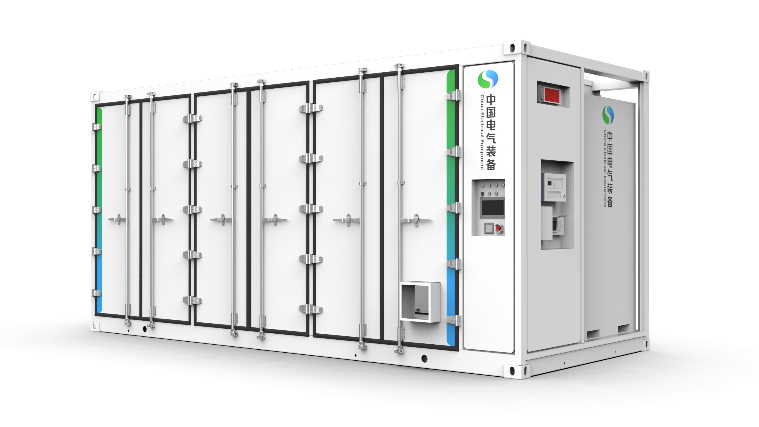

MESS8201-2507/5015-BN Prefabricated Liquid-cooled Energy Storage Battery Container
Xuchang Xuji Electric Science Energy Storage Technology Co., Ltd.
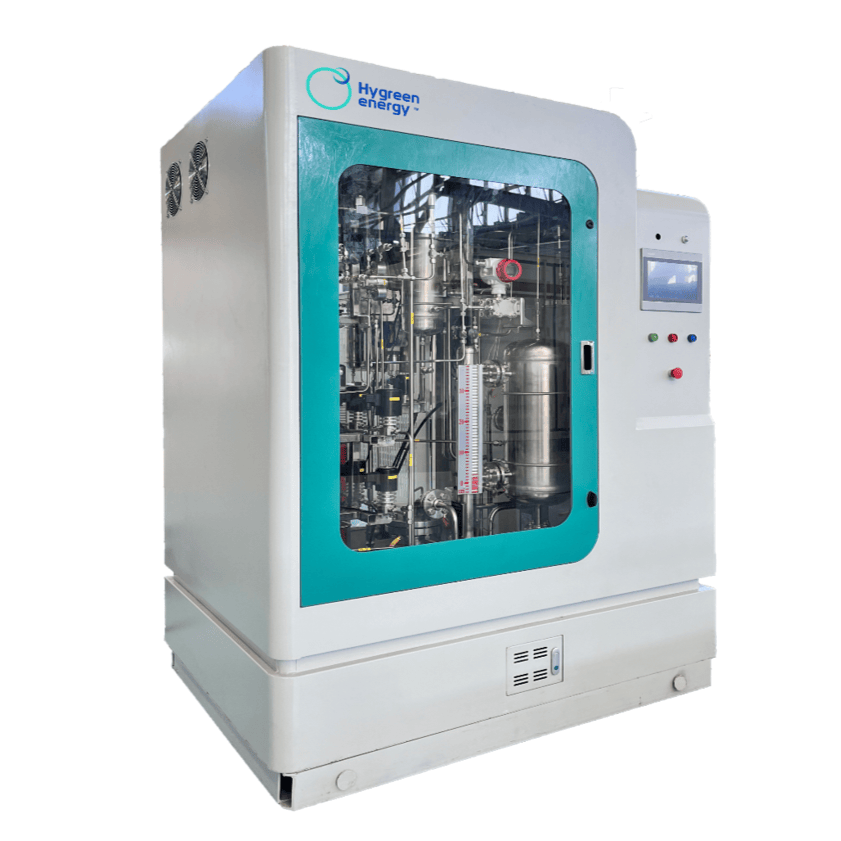
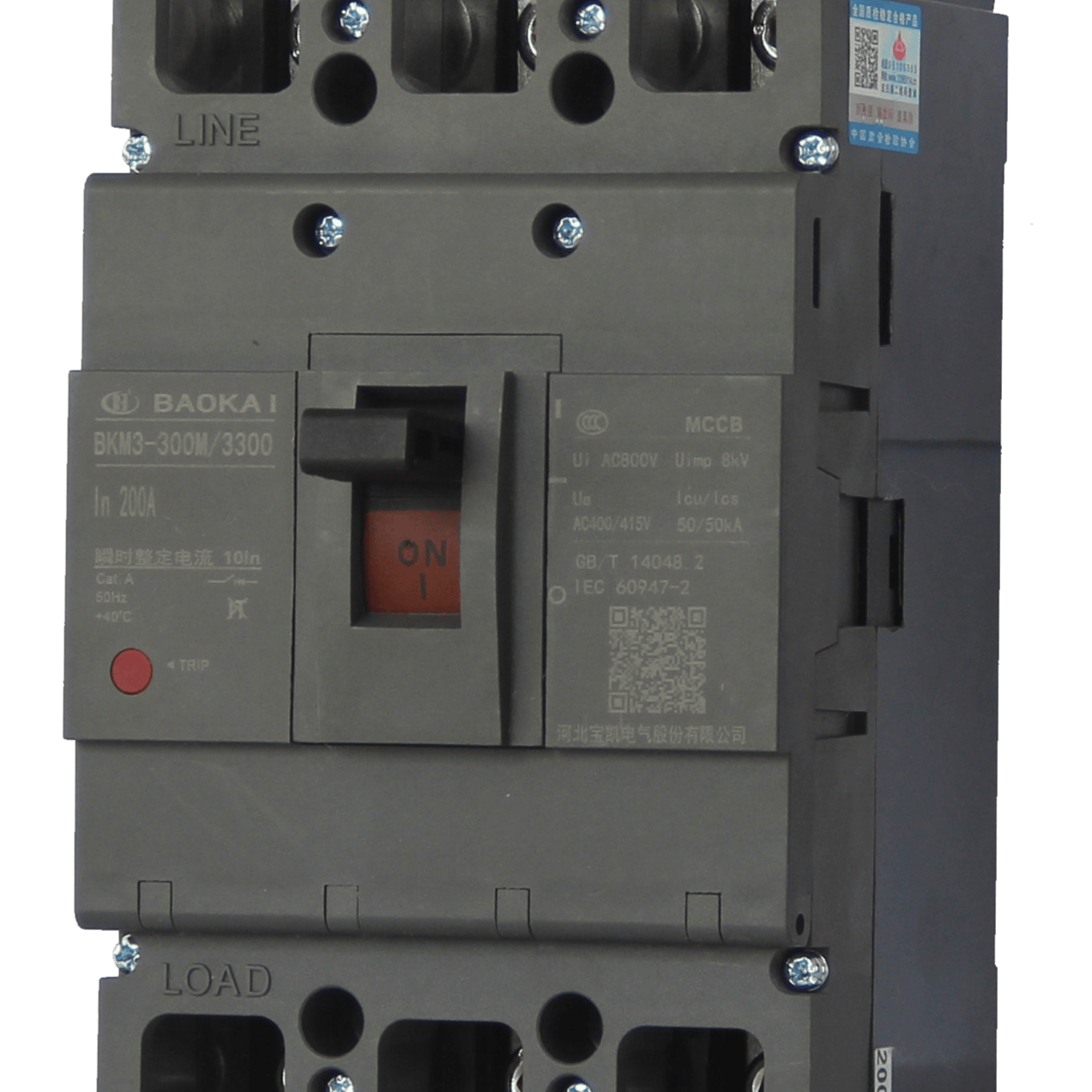
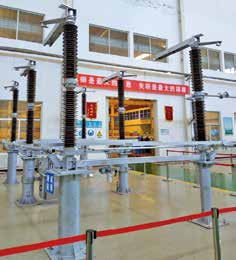
GW4-40.5/72.5/126/145/170/252/363/420 Series Double-column Horizontal Rotary High-voltage AC Disconnect Switch
SHANDONG TAIKAI DISCONNECTORS CO., LTD.

6kV-35kV Medium and High Voltage Direct-Connected Energy Storage System
Hainan Jinpan Smart Technology Co., Ltd.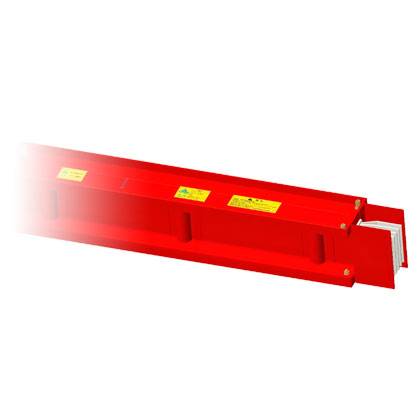
Mineral-insulated Compact Busway (Fire-resistant Busduct)
Zhuhai Guangle Electric Busway Co., Ltd.