South Africa's Karoo Shale Gas Project Receives R48.1 Million Grant, New Fault System Discovered
en.Wedoany.com Reported - The shale gas development in South Africa's Karoo Basin faces new geological variables. A study by seismologists at the University of Cape Town (UCT) has identified a previously unmapped fault system beneath the basin, providing new insights into the subsurface conditions assessment for future exploration projects and highlighting the importance of establishing reliable baseline geological data before commercial development.
The National Seismic Network of the Council for Geoscience initially detected a magnitude 4.8 earthquake near Leeu Gamka in the Western Cape, along with at least 66 related seismic events recorded since 2007. These observations prompted researchers at the University of Cape Town to conduct a detailed examination of the sequence. Using a dataset of 105 microseismic events and more advanced geophysical imaging techniques, the team identified previously unmapped faults associated with this earthquake swarm.
Lead researcher Benjamin Whitehead stated that these findings should inform, rather than hinder, exploration. He noted that the Karoo Basin is structurally complex, with widespread faults and dolerite intrusions. If hydrocarbon-bearing formations exist, the viability across the basin could vary significantly, necessitating assessments of individual areas to determine whether development is feasible. Regarding seismic risk, Whitehead explained that establishing a baseline level of seismic activity, identifying areas of higher seismicity, and characterizing individual faults would be a responsible approach. He added that faults are common geological features, but they only pose a seismic hazard when stressed and oriented favorably. The team's research indicates this is the case at Leeu Gamka. Fluid injection, particularly wastewater injection from fracturing, could wedge open faults, triggering earthquakes and posing a risk of groundwater contamination. This makes scientific knowledge about faults, baseline seismicity, and earthquake swarms an important consideration for stakeholders and policymakers.
This research comes as the South African government accelerates its shale gas strategy. In October 2025, Minister of Mineral Resources and Petroleum Gwede Mantashe lifted a 13-year moratorium on exploration in the Karoo. In the May 2026 budget speech, the government confirmed an allocation of R48.1 million for the Karoo Shale Gas Project. The Petroleum Agency of South Africa estimates the basin holds approximately 209 trillion cubic feet of technically recoverable shale gas, but a 2017 study by the University of Johannesburg placed the figure as low as 13 trillion cubic feet, with a range extending to 390 trillion cubic feet.
The geological complexity of the Karoo Basin is not unique, but its challenges differ from many shale regions worldwide. Whitehead explained that the Permian Basin in the United States is geologically simpler than the Karoo Basin, making exploration generally more predictable. The widespread dolerite intrusions in the Karoo Basin have heated surrounding rocks, causing some shales to become overmature and leading to gas escape. Therefore, individual parts of the basin must be assessed to determine commercial viability, rather than treating it as a single, uniform resource. Critically stressed faults and induced seismicity are characteristics of many unconventional shale regions globally, and operators have developed management tools. Some regions have introduced traffic light protocols, which use real-time seismic monitoring to trigger operational pauses or shutdowns at predetermined magnitude thresholds. In the U.S. state of Oklahoma alone, over 350 wells are managed under this framework. In the Vaca Muerta formation of Argentina's Neuquén Basin, fracturing-related seismicity has been recorded since the early 2010s, with operators responding through real-time seismic monitoring networks and multi-well pad drilling. In China's Sichuan Basin, Sinopec and PetroChina operate at depths of up to 5,000 meters through complex fault systems under extreme temperature and pressure conditions, overcoming challenges with advanced 3D geological modeling and precision fracturing methods.
The Karoo Basin is far less developed than these basins. South Africa has not yet drilled a commercial shale gas well, and the resource estimate range of 13 to 209 trillion cubic feet reflects the lack of subsurface data. The University of Cape Town's research is an example of the baseline geological intelligence that should be in place before development, providing value to investors by identifying the solutions needed to ensure success in the basin.
Related Products

GW4-40.5/72.5/126/145/170/252/363/420 Series Double-column Horizontal Rotary High-voltage AC Disconnect Switch
SHANDONG TAIKAI DISCONNECTORS CO., LTD.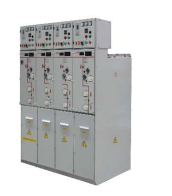
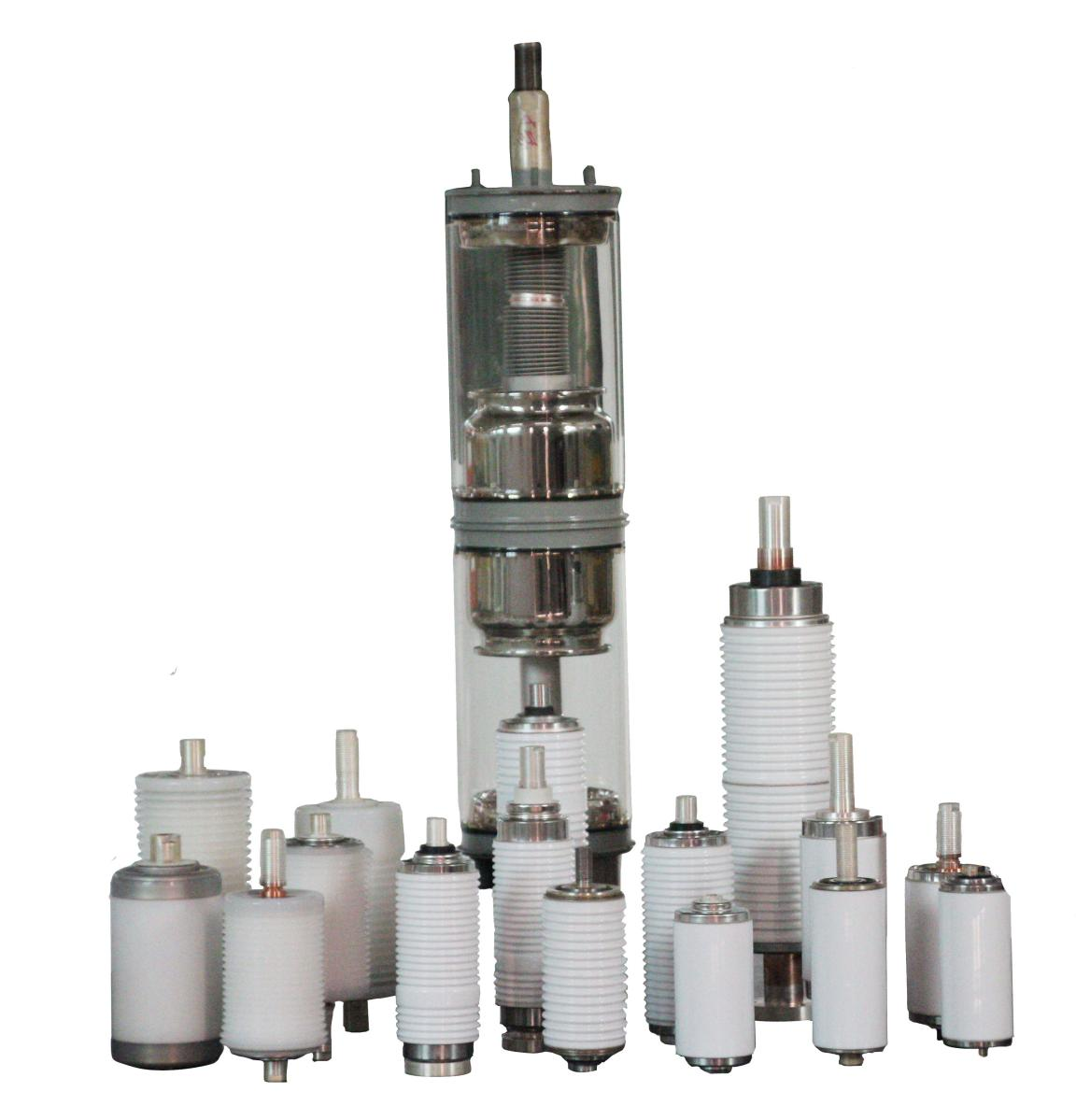
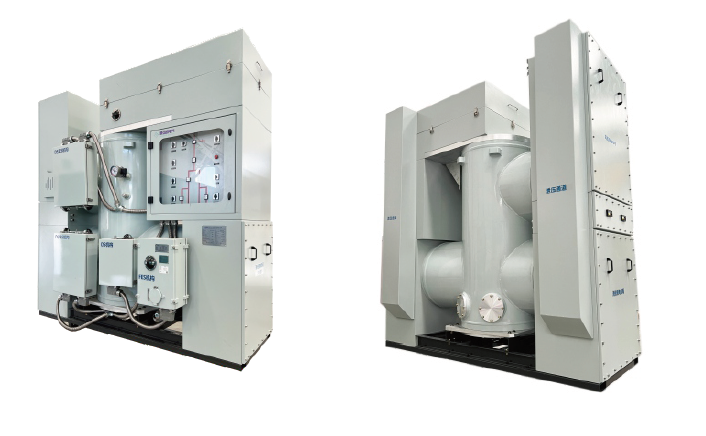
72.5kV 1250A 31.5kA SF6 free Gas-insulated Metal-enclosed Switchgear
Zhejiang Juhonkia Intelligent Electric Co., Ltd.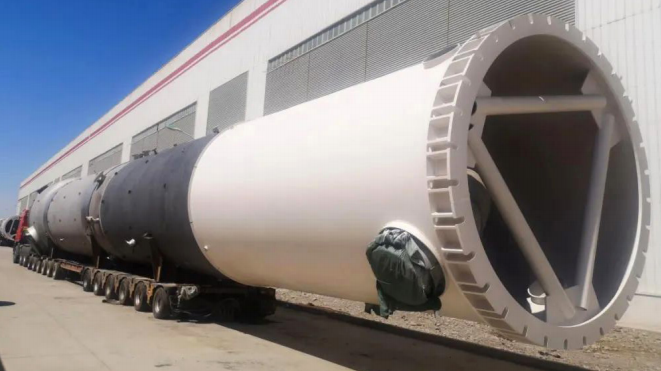
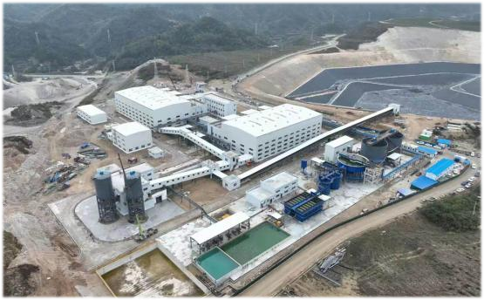
Yingping Mining Section Open-pit Tailings Backfill Treatment of Goaf Ecological Restoration EPC Project
China Bluestar Lehigh Engineering Corporation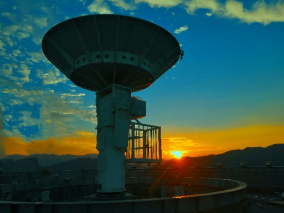
714CD Series C-Band Weather Radar
Chengdu Zhongdian Jinjiang Information Industry Co., Ltd.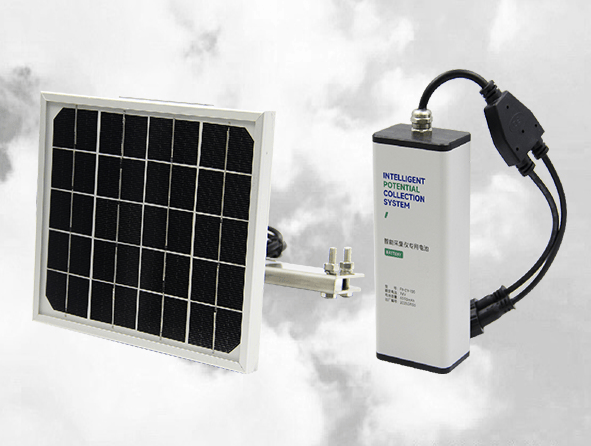
Inductive Power Harvesting Self-Powered Device - Safuneng
SELF ENERGY TECHNOLOGY (SHENZHEN) CO., LTD.