Canadian Fusion Company General Fusion Lists on Nasdaq, Secures $150 Million in Cash
en.Wedoany.com Reported - General Fusion has completed its business combination with Spring Valley Acquisition Corp. III (announced in January), becoming the first fusion company to publicly list on Nasdaq under the ticker symbol GFUZ.
The company secured approximately $105 million to $108 million in committed private investment in public equity (PIPE), which was oversubscribed. Additionally, it has access to approximately $230 million from Spring Valley's trust capital, entering the public market with about $150 million in cash.
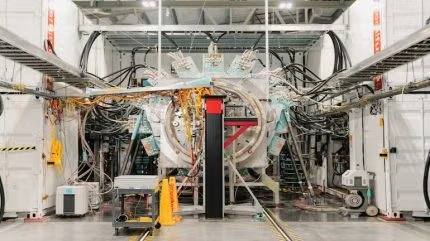
These funds are expected to advance General Fusion's Lawson Program, supporting its progress through several key technology milestones. The company plans to complete these milestones by 2028, demonstrating its magnetized target fusion (MTF) technology in a commercially relevant manner and reducing risk. The proceeds will fully fund the Lawson Machine 26 (LM26) MTF demonstration facility, currently operating at its headquarters near Vancouver.
The MTF technology is based on a closed liquid metal vortex concept. Plasma is injected into the center of the vortex, after which numerous pistons hammer the exterior of the shell, compressing the plasma and triggering a fusion reaction. The heat generated is absorbed by the liquid metal. This technology aims to achieve fusion in a practical and economical way, avoiding the use of superconducting magnets and high-power lasers, while enabling the construction of durable machines using existing materials.
General Fusion CEO Greg Twinney stated that the company is committed to developing practical, clean, and abundant fusion energy, with over 20 years of actual testing, demonstrations, and results. Over the past two decades, General Fusion has built and operated dozens of test stands, prototypes, and demonstration devices, completing over 200,000 plasma experiments, culminating in LM26. The company recently announced significant progress toward its next major technology milestone: an electron temperature of 1 keV for LM26.
General Fusion achieved a key temperature milestone by heating plasma to an electron temperature of 0.72 keV (approximately 8.4 million degrees Celsius) through mechanical compression alone. This represents more than a threefold increase in plasma temperature compared to previous results, bringing the company closer to its target. Following the 1 keV baseline, LM26 is planned to sequentially reach the 10 keV (100 million degrees Celsius) threshold, ultimately aiming to satisfy full Lawson criterion conditions and demonstrate net fusion energy output at a commercial scale.
The Lawson criterion, first proposed in 1955 by British engineer and physicist J.D. Lawson, is a fundamental mathematical rule in physics used to determine when a nuclear fusion reactor reaches ignition—the point at which the fusion reaction becomes self-sustaining because the heat generated by the fusion process exceeds all energy losses. The rule states that a fusion plasma must simultaneously maintain specific minimum values of density, temperature, and confinement time to achieve net energy output.
Related Products



GW4-40.5/72.5/126/145/170/252/363/420 Series Double-column Horizontal Rotary High-voltage AC Disconnect Switch
SHANDONG TAIKAI DISCONNECTORS CO., LTD.
220kV Composite Outdoor Cable Terminal
Shenyang Guolian Cable Accessories Manufacture Co., Ltd.
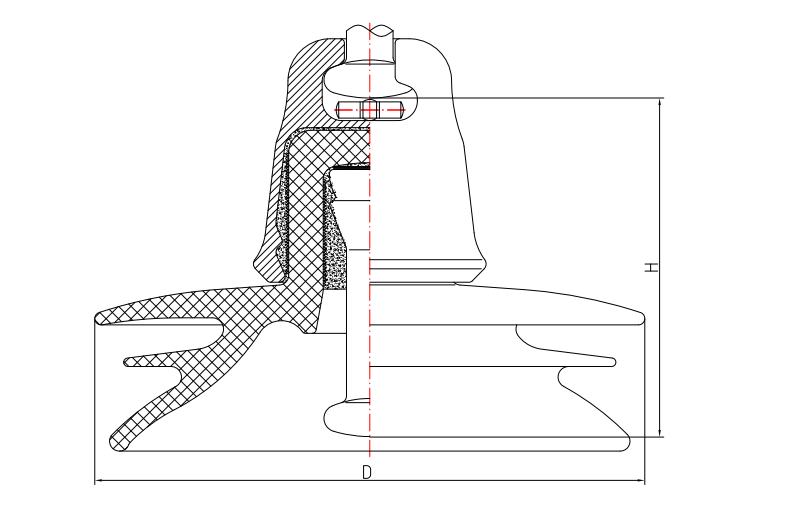
Post-type AC Pollution-resistant Disc Suspension Porcelain Insulator (Triple Umbrella Type)
Shandong High Voltage Insulator Co., Ltd.

714CD Series C-Band Weather Radar
Chengdu Zhongdian Jinjiang Information Industry Co., Ltd.
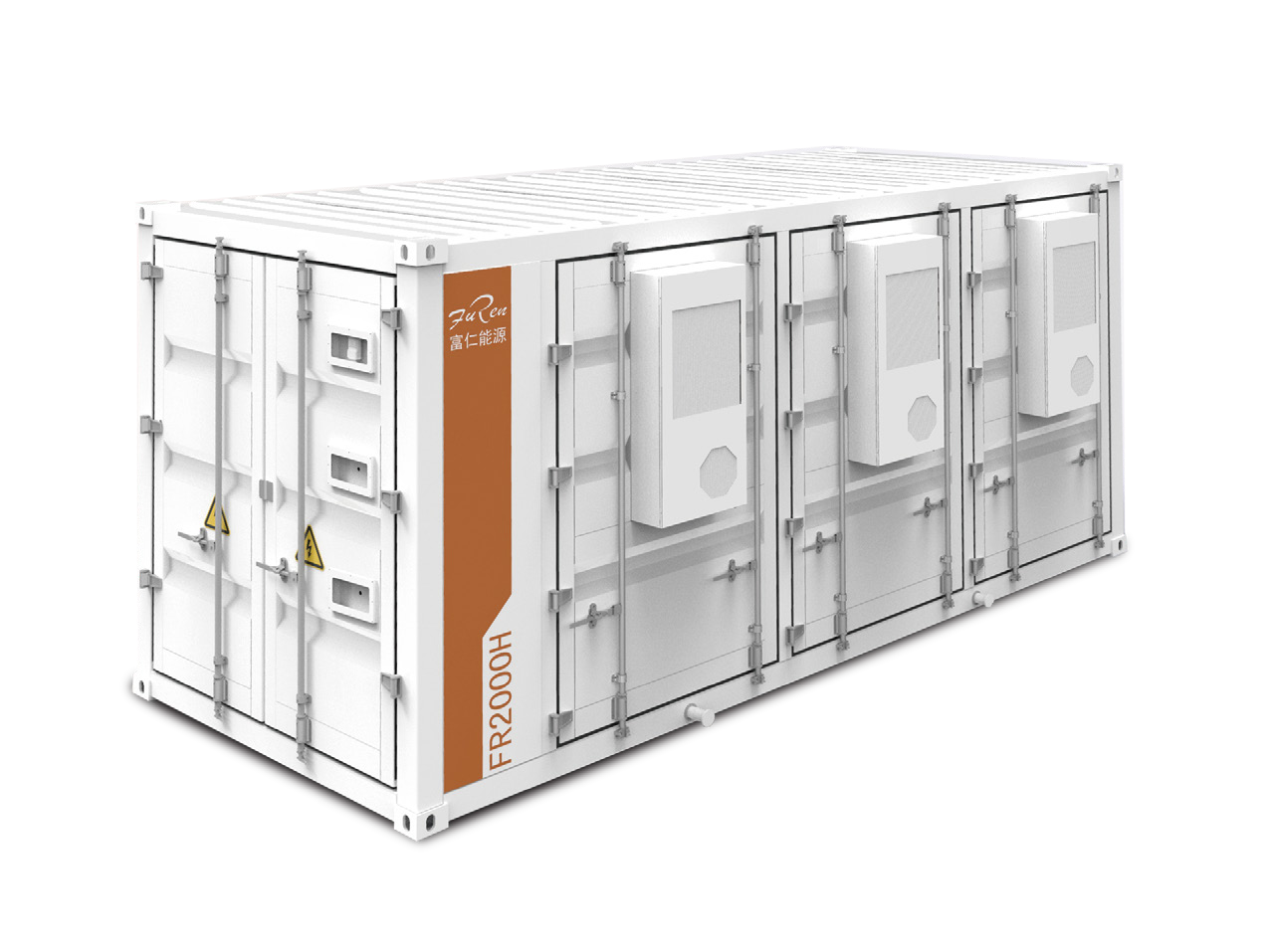
FR2000H 2.15MWh (Air-cooled) 20-foot Containerized Energy Storage System
Jiangyin Furen High-tech Co., Ltd.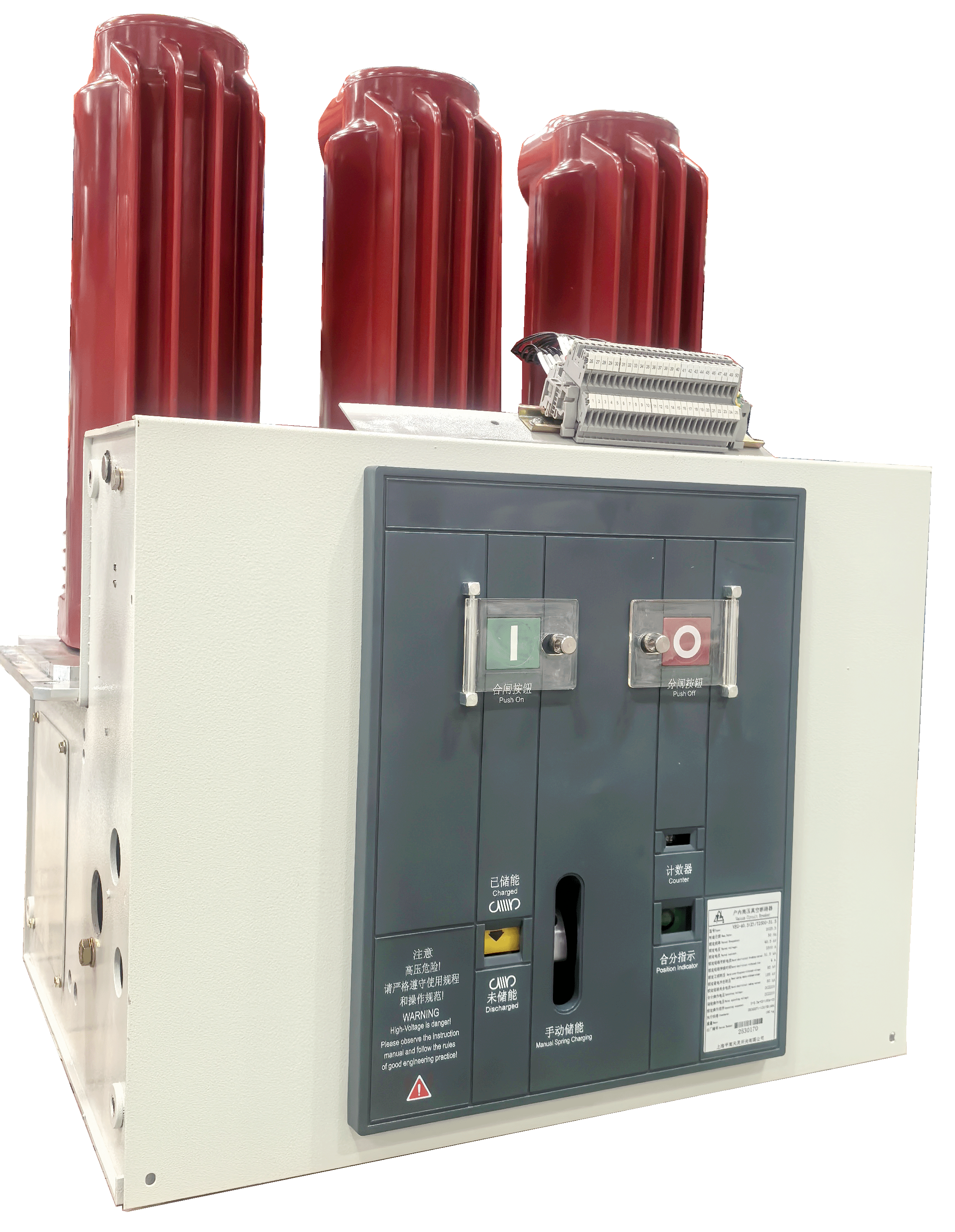
VEG-12/24/40.5 Series Vacuum Circuit Breaker
SHANGHAI PINGGAO TIANLING SWITCHGEAR CO., LTD.