Japan's Canon aims to reduce carbon emissions by 42% by 2030
en.Wedoany.com Reported - Canon released its 2026 Sustainability Report, establishing a new Sustainability Committee led by the Chief Financial Officer to adopt a more unified approach to environmental accounting and governance. With over 300 business units globally, Canon is striving to balance market growth with stringent environmental constraints.
Canon Chairman and CEO Fujio Mitarai stated in the report that the corporate philosophy of "Kyosei" is dedicated to realizing a society where people of different cultures, customs, and ethnicities can live together happily. He highlighted three major trends over the next five years: intensifying global fragmentation, accelerated implementation of an AI society, and labor shortages. Canon has re-examined the sustainability material issues that need to be addressed to achieve "Kyosei," expecting to contribute to the realization of the Sustainable Development Goals (SDGs) by addressing group material issues and information disclosure.
In terms of value chain oversight, Canon has improved management processes by setting carbon targets for each manufacturing stage. The company now requires internal inspections before new models transition from the prototype phase to mass production; if a department fails to meet basic resource efficiency standards, production is halted. Canon's Human Rights Secretariat has completed comprehensive due diligence and all scheduled reviews across all administrative and operational divisions to help address new regulations such as the European Union Corporate Sustainability Due Diligence Directive and strengthen compliance in countries outside Japan.
While internal product development has become manageable, tracking Scope 3 emissions still reveals significant challenges in monitoring indirect impacts. For global manufacturers, measuring the carbon footprint of logistics, distribution, and raw material procurement is a major challenge. Collecting accurate carbon data from third-party suppliers is difficult, slowing the adoption of full value chain metrics. As Canon expands full-component remanufacturing across regions, it expects to face severe regulatory and trade barriers due to difficulties in international shipping of parts for closed-loop processing, while local circular economy efforts remain fragmented.
Canon reported mixed results in energy consumption and carbon reduction. In the base year, total absolute greenhouse gas emissions from manufacturing sites were approximately 1,068 kilotons of CO2 equivalent, and the company plans to reduce this by 42% to 620 kilotons by 2030, relying on structural energy efficiency measures and the purchase of renewable energy certificates. Post-pandemic changes in production plans and shifts in data center demand have led to variations in operational energy use across business units. While total emissions from production centers have declined, non-manufacturing sites saw a slight increase in electricity use due to expanded computing infrastructure. To meet additional electricity demand, the company has expanded renewable energy procurement, with multiple manufacturing bases achieving 100% renewable electricity consumption through on-site solar arrays and corporate electricity tariffs.
Related Products


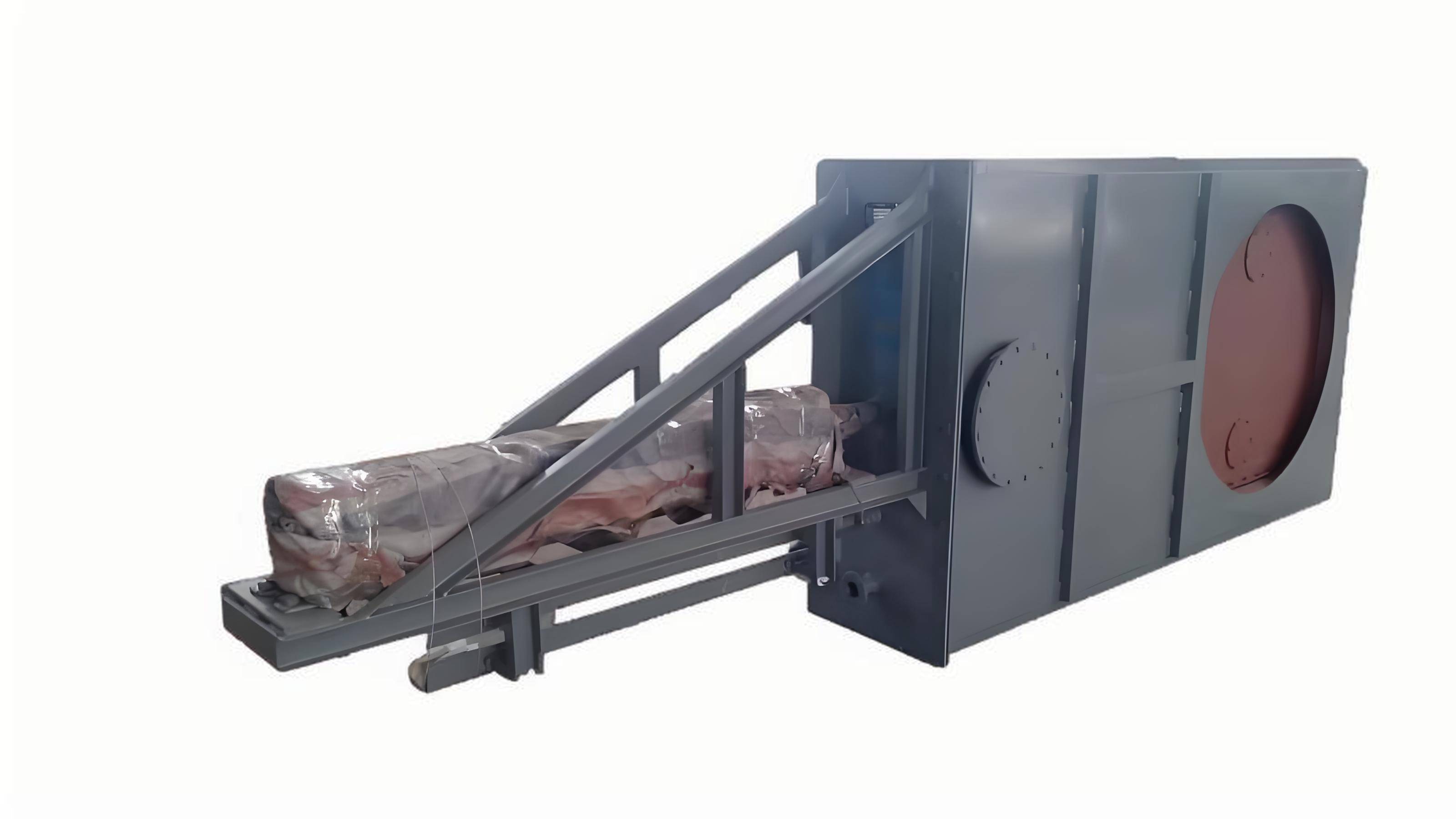
Double-slide Triple-sealed Hot Air Isolation Door
Xi'an Yingchuan Electric Power Equipment Co., Ltd.
Modular Multifunctional Water Supply and Drainage Vehicle (18T)
Changsha Dewater Machinery Technology Co., Ltd.
NISELA Series Environmentally Friendly Gas-Insulated Ring Main Unit
XJ DELISHIER ELECTRIC CO., LTD.
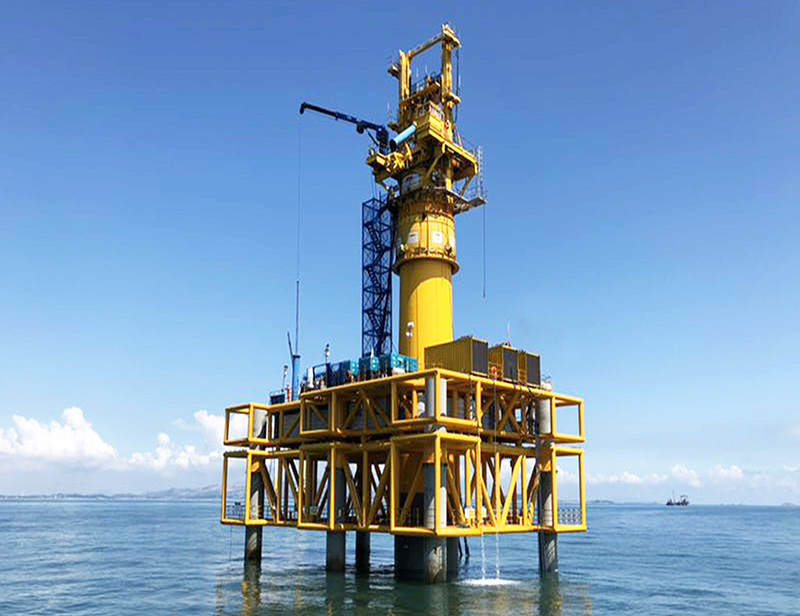
CITIC Heavy Industries Offshore Wind Power Equipment Hydraulic Pile Hammer
CITIC Heavy Industries Co., Ltd.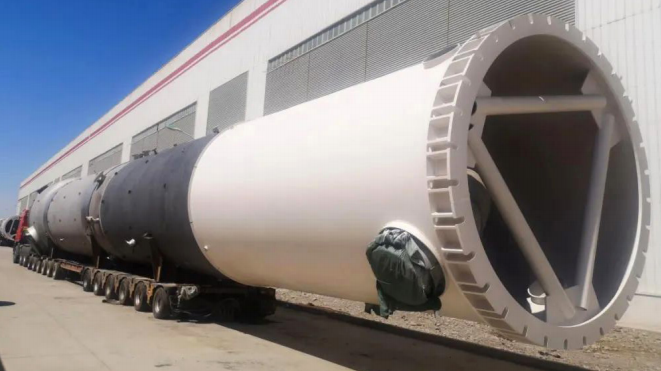
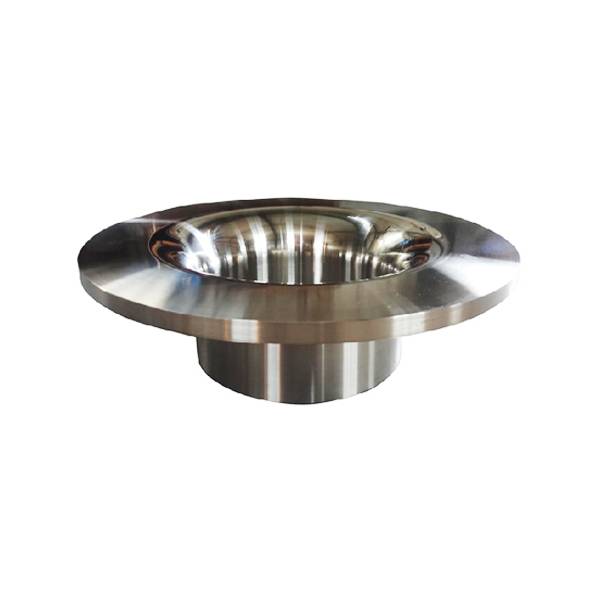
Standard Nozzle Flowmeter
Jinggong Automatic Control Instrument Complete Technology Development Company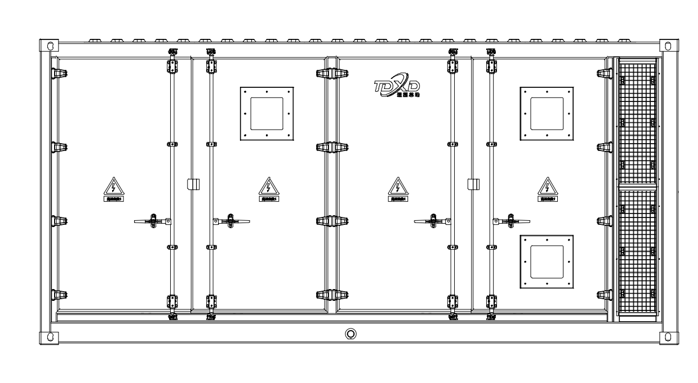
5012kWh DC Energy Storage System TD-EES-5012kWh
Suzhou Tongding Xindong Energy Storage Technology Co., Ltd.
Environmentally Friendly Flame-retardant PVC Double-layer Insulated Wire
Sichuan Chndo Cable Co., Ltd.