Monash University develops indium-free tandem solar cell with 31% efficiency
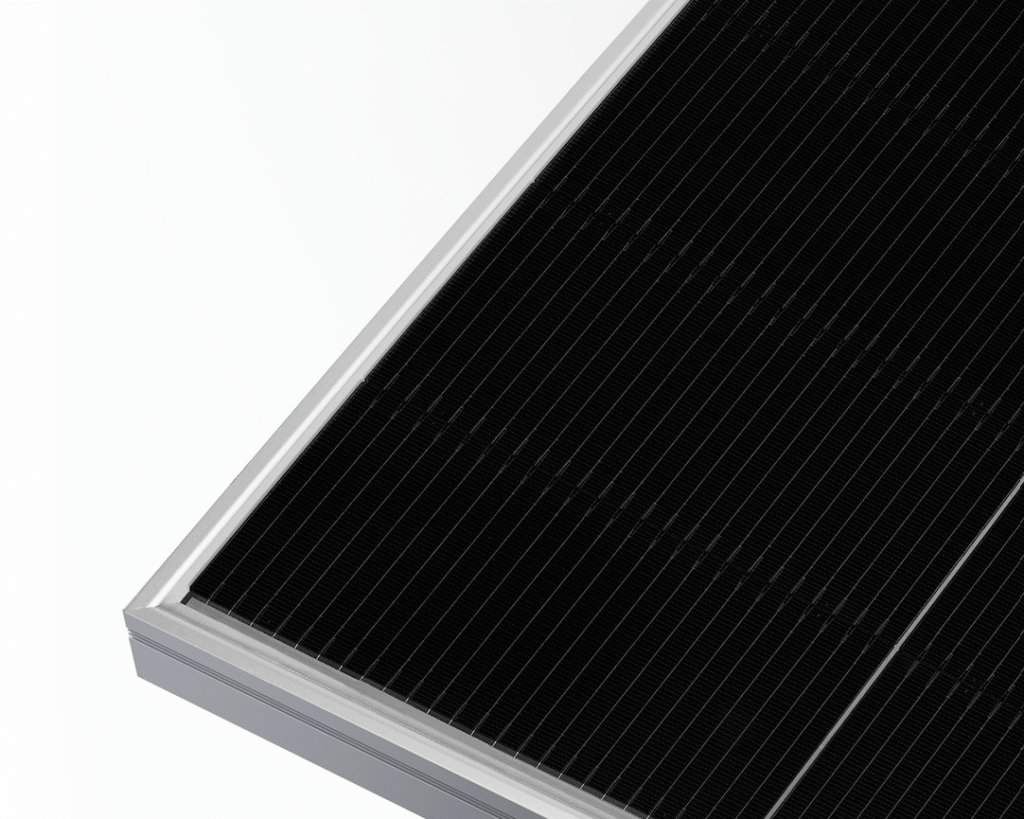
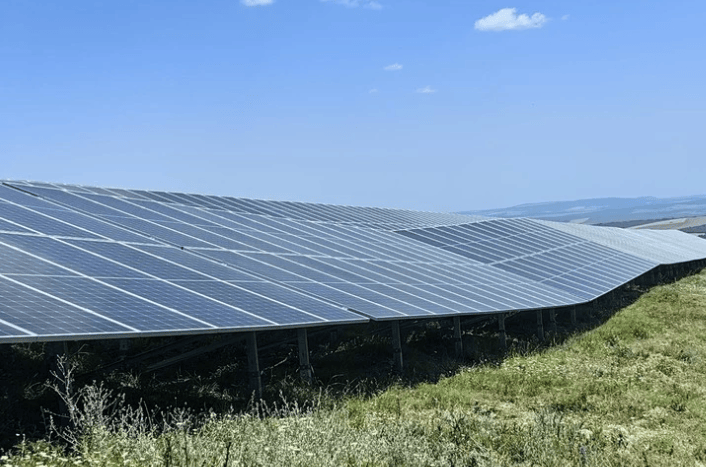
en.Wedoany.com Reported - An international research team led by Monash University has developed a commercial-sized, indium-free tandem solar cell, replacing the scarce metal indium with tin oxide. The cell achieved a certified efficiency of 31% on a 207.9 cm² mini-module. This manufacturing advancement aims to reduce the production cost of high-efficiency solar panels.
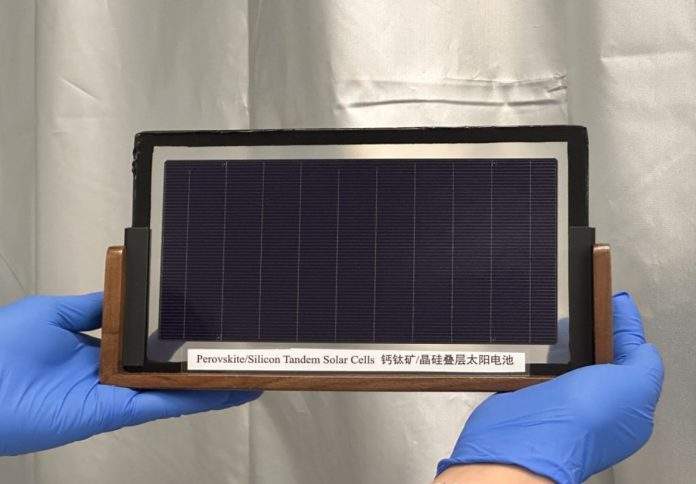
The research findings, published in the journal Science, demonstrate the first high-performance, commercial-sized indium-free perovskite tandem solar cell. The researchers stated that replacing indium-based oxides with tin oxide, a material costing only about one percent of indium, maintained robust performance. As solar energy demand grows, reducing reliance on indium—a metal widely used in electronics with limited supply posing challenges for large-scale manufacturing—becomes increasingly important.
Professor Yuan Cheng from Monash University's Suzhou campus and the Department of Materials Science and Engineering stated that this achievement demonstrates the technology can surpass laboratory-scale devices. He noted that considering tin costs only one percent of indium, this breakthrough opens up a new material paradigm and a highly feasible engineering route for low-cost, sustainable, and scalable tandem photovoltaic devices, holding significant strategic importance for advancing the industrialization and terawatt-scale deployment of next-generation ultra-efficient photovoltaic technologies.
The researchers replaced indium with tin oxide using a low-damage reactive plasma deposition process to produce the tandem solar cell. The cell not only achieved a certified efficiency of 31% on a commercial-sized mini-module but also improved durability. According to the team, these devices withstood high temperatures, high humidity, and over three months of outdoor operation while maintaining robust performance. Professor Cheng noted that exceeding 30% efficiency in a commercial-sized tandem module is a significant technological milestone.
The research team developed a reactive plasma deposition (RPD) process for tin oxide (SnOx) thin films as a recombination layer, achieving a certified efficiency of 33.6% on a 1 cm² area. By extending the application of RPD-SnOx to front and rear transparent electrodes, they successfully fabricated indium-free tandem solar cells and scaled the technology to a 207.9 cm² mini-module, obtaining a certified efficiency of 31.0%.
The research was led by a team including Professor Yuan Cheng from Monash University, Professors Xiaohong Zhang and Xinbo Yang from Soochow University, Dr. Zijia Li from Chint New Energy Technology Co. Ltd, and researchers from multiple universities and photovoltaic industry partners. The findings were published in the journal Science.
Related Products

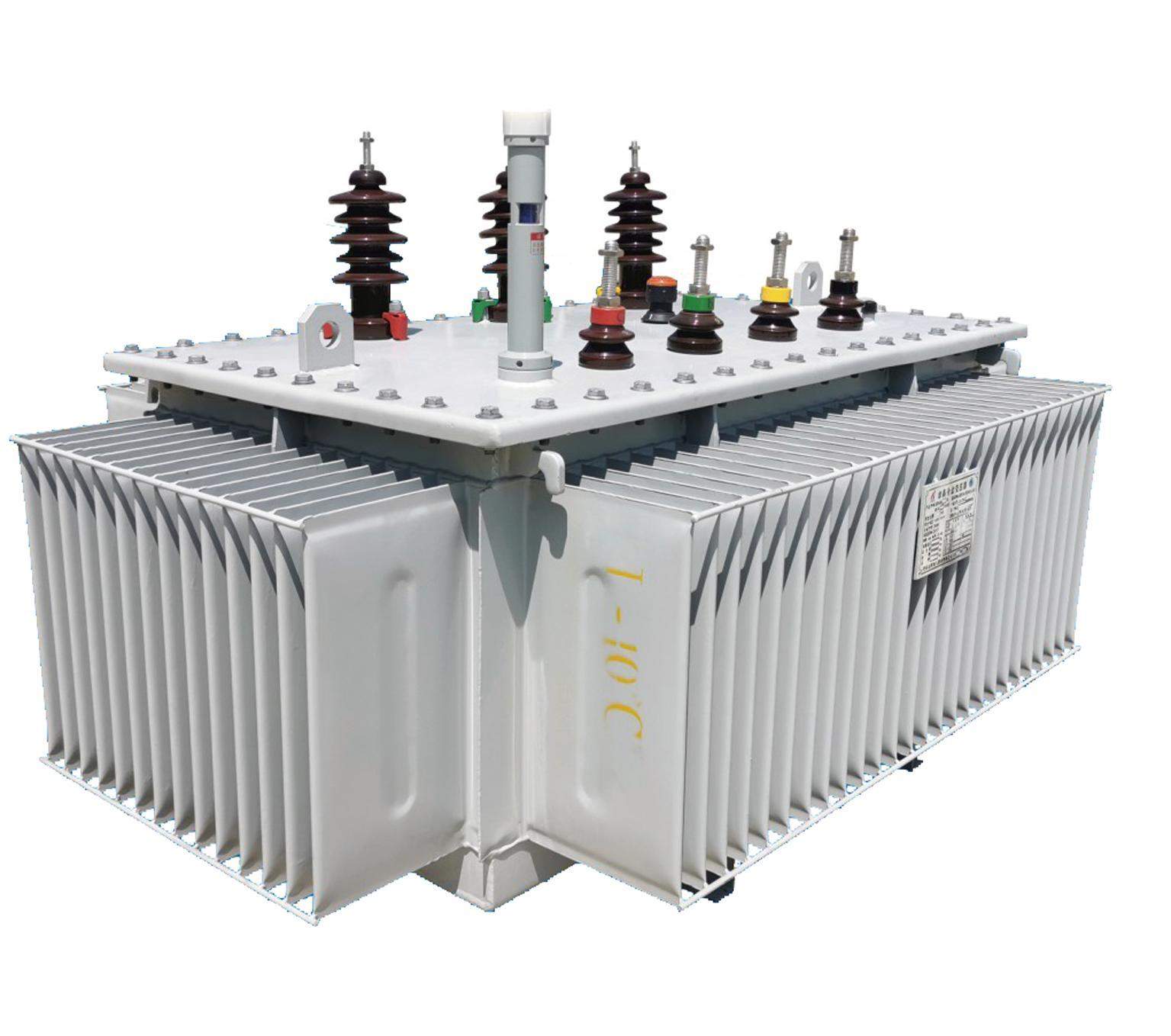
S(B)H15 Type (Energy Efficiency Level 3) Oil-Immersed Amorphous Alloy Core Distribution Transformer
Henan Longxiang Electric Co., Ltd.
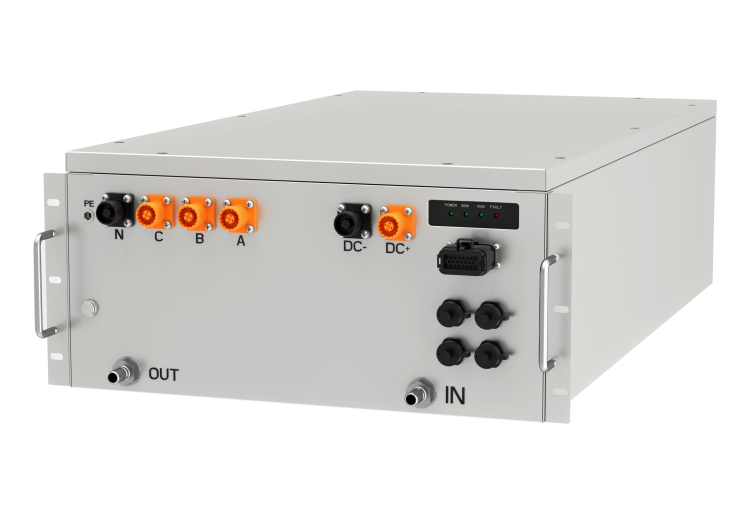
Mars (Liquid Cooling) Series Industrial and Commercial Energy Storage Converter High Protection Module
Shenzhen Winline Technology Co., Ltd.
Pneumatic high-pressure wear-resistant ball valve
Zhejiang Deca Control Valve Meter Co., Ltd.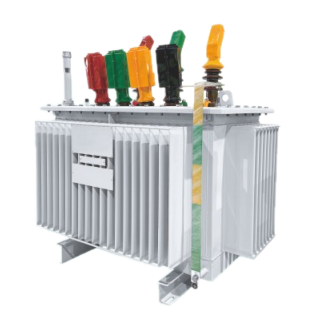
IS(B)□-M·RL Series Oil-immersed 3D Transformer (Planar / 3D Wound Core)
Guangdong Kehua Electric Power Technology Co., Ltd.
Microcomputer Protection and Substation Automation
Beijing Agent Devote Power Technology Development Co., Ltd.

Floating Boat Water Quality Automatic Monitoring System
Hebei Sailhero Environmental Protection High-tech Co., Ltd.