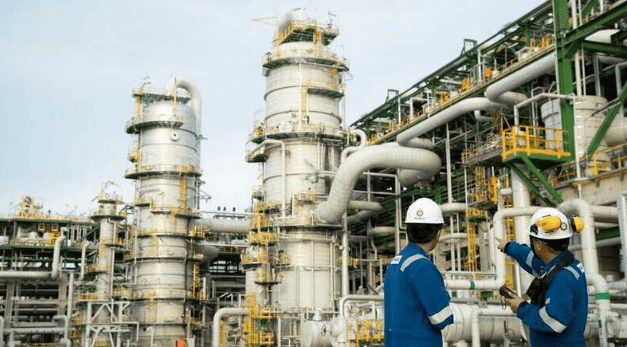
Renewable Integration Is Turning Storage and Loads Into Active Flexibility Resources
en.Wedoany.com Reported - Large-scale renewable energy integration is changing the way power systems maintain balance. Wind and solar output depend on weather and resource conditions, and their peak generation may not match peak demand. If grid corridors, balancing resources and local demand are insufficient, renewable projects may face curtailment. Source Grid Load Storage Integration provides a way to include both storage and adjustable loads in the balancing process.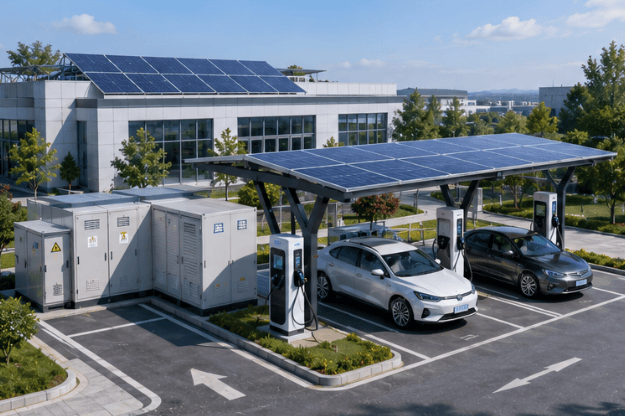
In the past, renewable integration relied mainly on grid expansion and conventional generation flexibility. Grid expansion can increase delivery capability, but it requires time and investment. Conventional generators can provide balancing support, but as renewable penetration increases, pressure on generation-side flexibility also rises.
Storage and demand-side resources can operate closer to renewable plants or load centers. They can provide local flexibility and reduce the need for every imbalance to be solved through long-distance transmission or centralized dispatch.
Storage provides time shifting. When solar output is high at noon, batteries can absorb excess electricity. When evening demand rises, batteries can discharge to reduce supply gaps. When wind output fluctuates, storage can smooth short-term power changes and reduce stress on grid dispatch. In renewable energy bases, storage can also work with reactive power compensation, power forecasting and grid-connection control to improve grid friendliness.
Loads provide demand adjustment. Industrial loads, air-conditioning systems, cold storage, hydrogen production equipment, charging stations, water treatment systems and some production processes may adjust operating time or power level within defined limits. Through demand response and energy management platforms, loads can increase consumption when renewable energy is abundant and reduce non-critical demand when the system is tight.
In the future, renewable integration will not be measured only by how much storage is installed. The key question will be whether storage, loads and the grid truly coordinate. If batteries follow only fixed schedules, loads do not participate and dispatch data are not connected, the value of integration will remain limited. An effective system must forecast renewable output, identify load flexibility, optimize battery life and dispatch resources dynamically within safety boundaries.
Related Products

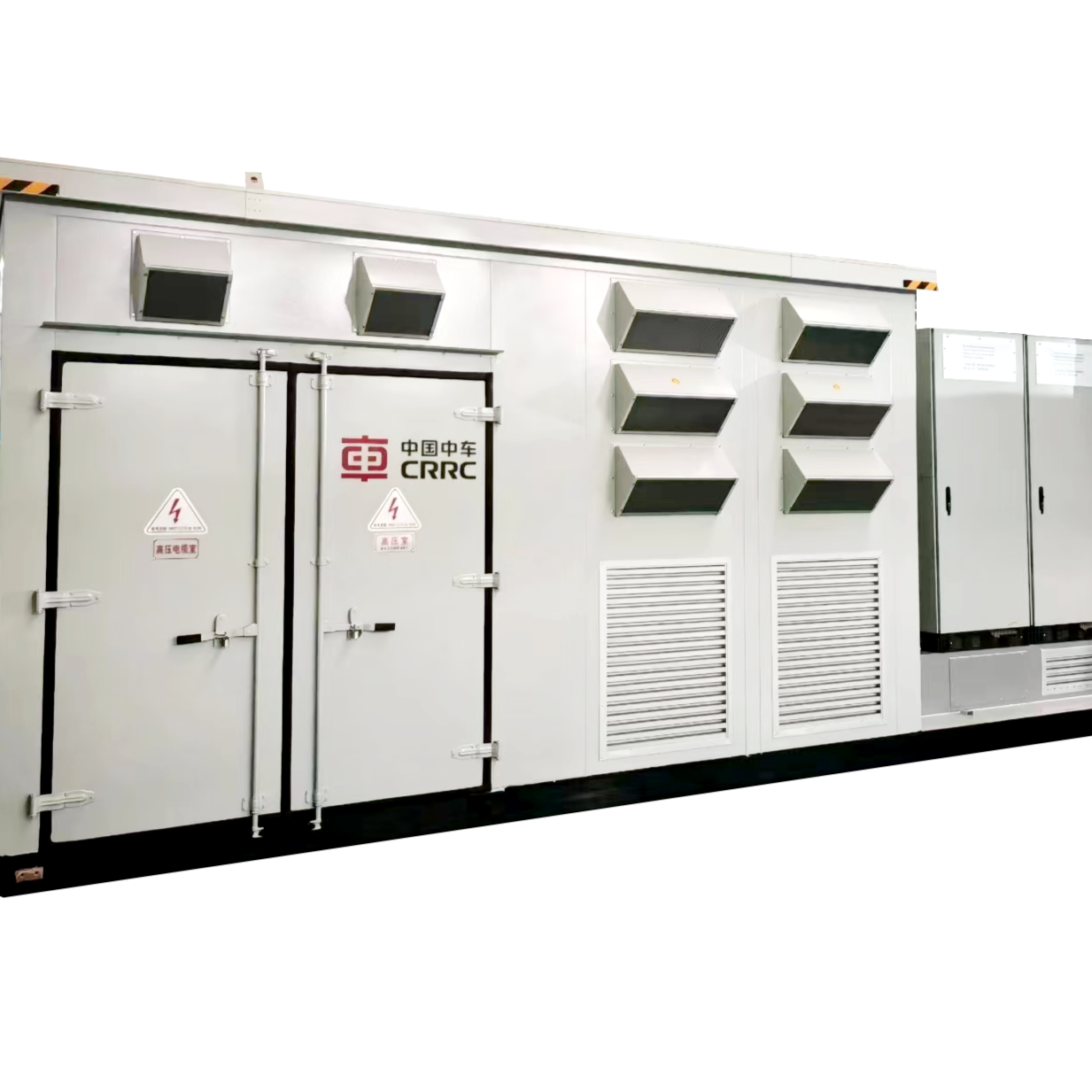
Perfluorinated Ionic Membrane-CM-10N Series Membrane
Guizhou Juneng Century Technology Co., Ltd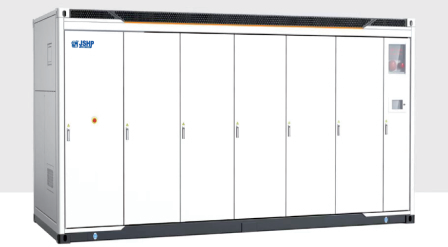
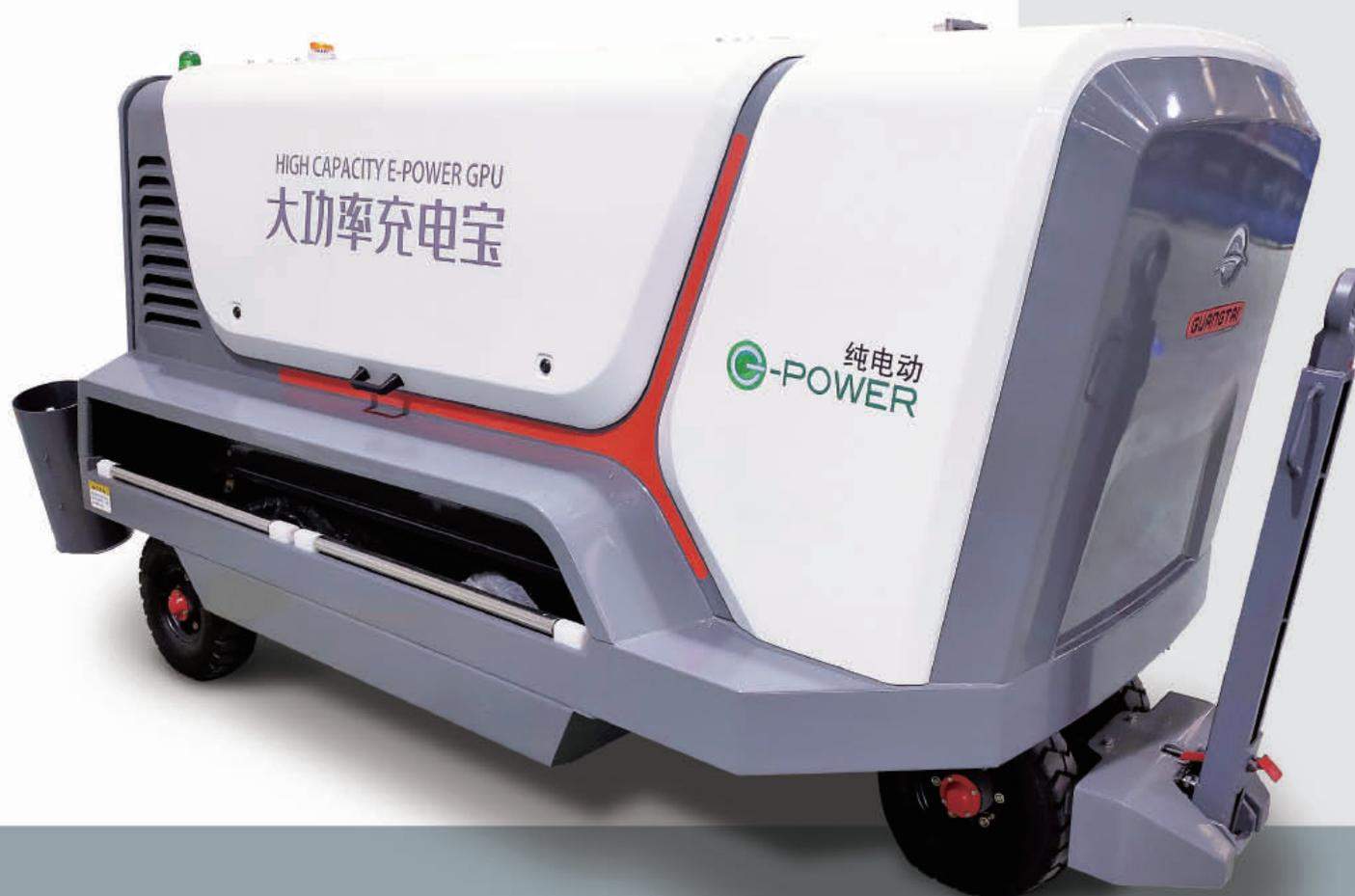

Microgrid energy storage inverter module
Beijing Zhiyuan Xinneng Electric Technology Co., Ltd.
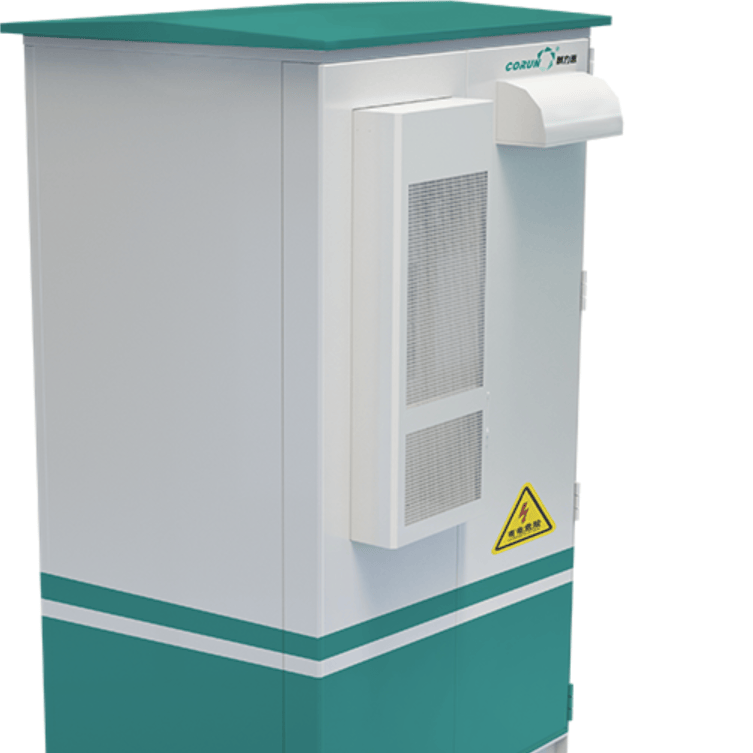
Energy Storage Booster Integrated Machine CNYB-□KVA/□KV/□KV
Shanghai Jinyou Jinhong Intelligent Electric Co., Ltd.
Flywheel Energy Storage and Electrochemical Energy Storage
Beijing Boqi Electric Power SCI-TECH Co., Ltd.