Fudan and Chinese Academy of Sciences Develop Flow Zinc Slurry Battery with 5,128-Hour Runtime
en.Wedoany.com Reported - Chinese researchers have successfully developed a flow zinc slurry battery that can operate continuously for 5,128 hours, offering a new long-duration energy storage solution for renewable energy systems.

The battery, developed by a research team from Fudan University and the Chinese Academy of Sciences, replaces traditional fixed zinc electrodes with a flowing slurry of zinc nanoparticles suspended in a conductive liquid. This design successfully overcomes technical challenges that have long plagued zinc-based flow batteries by enabling continuous circulation of active materials. The battery is positioned to store excess electricity generated by solar panels and wind turbines, releasing it when renewable energy generation declines.
In laboratory tests, the system achieved a Coulombic efficiency of 99.94%. A zinc-manganese dioxide battery using the same architecture retained 81.1% of its original capacity after 5,500 charge-discharge cycles, demonstrating excellent durability. Fei Wang, the lead researcher, told media that the main advantage of the design lies in transforming zinc from a static electrode into a dynamic energy carrier. The new design abandons solid zinc electrodes, instead converting zinc itself into a flowable energy carrier.
The battery combines nanoscale zinc particles with hollow carbon frameworks and ligand-controlled electrolytes. This assembly helps prevent zinc particles from agglomerating during repeated charge-discharge cycles while maintaining stable electrochemical reactions. The research team noted that the flow structure decouples energy storage capacity from power output, making it easier to scale the battery for longer-duration applications without redesigning the electrochemical cell. Fei Wang said he was inspired during a visit to a zinc electrowinning plant, realizing that the industrial electron-gaining process of converting Zn²⁺ into metallic zinc could be directly applied to energy storage.
According to the research team, combining the flow structure with ligand-controlled interfacial chemistry addresses key issues limiting zinc slurry systems, including particle agglomeration, unstable reactions, and interfacial degradation. The team believes the technology could ultimately support large-scale electricity storage for intermittent renewable energy sources such as solar and wind farms. By increasing the volume of slurry in external tanks, the battery's energy capacity can be expanded without major modifications to the core electrochemical system. Fei Wang stated that future research will focus on translating the flow zinc slurry concept from the laboratory scale into practical long-duration energy storage systems, with plans to optimize slurry chemistry, improve system integration, and explore the development of similar flowable metal energy carriers beyond zinc-based systems.
The research findings were published in the journal Nature Energy.
Related Products

Floating Boat Water Quality Automatic Monitoring System
Hebei Sailhero Environmental Protection High-tech Co., Ltd.
Photovoltaic and Wind Power Generation Technology
Beijing Boqi Electric Power SCI-TECH Co., Ltd.
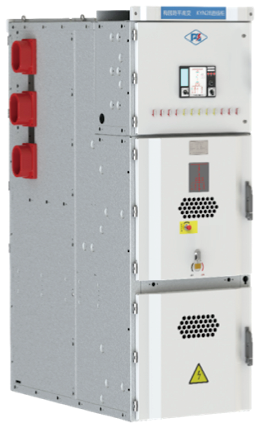
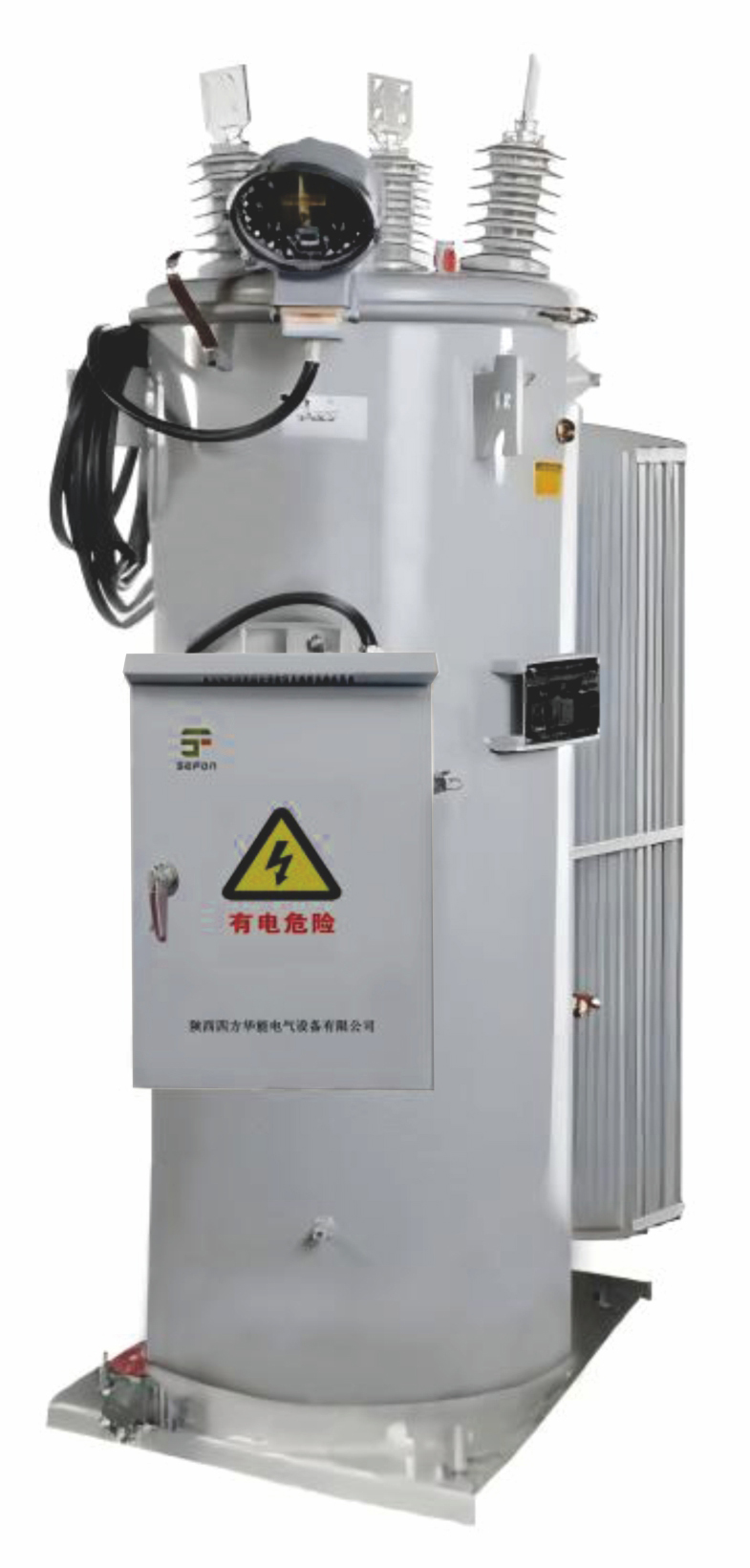
Single-Phase Automatic Voltage Regulator(AVR)
Shaanxi Sefon Electrical Equipment Co.,Ltd.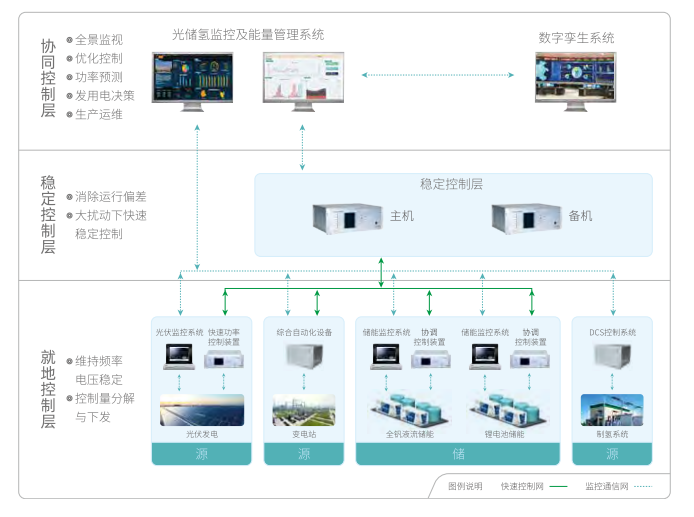
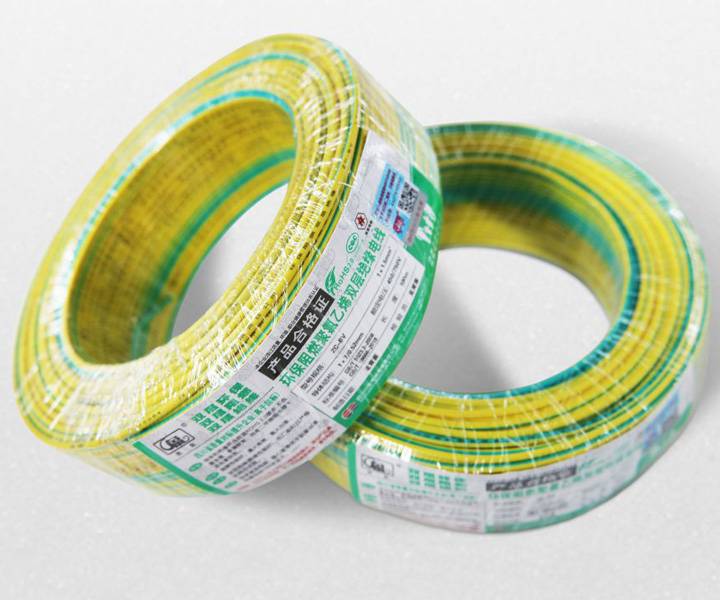
Environmentally Friendly Flame-retardant PVC Double-layer Insulated Wire
Sichuan Chndo Cable Co., Ltd.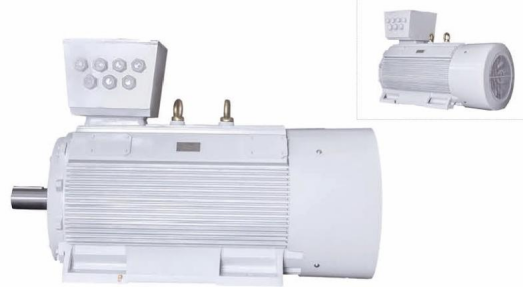
YE3 Series Low Voltage High Power Three-Phase Asynchronous Motor
Shandong Lijiu Electrical Machinery Co., Ltd.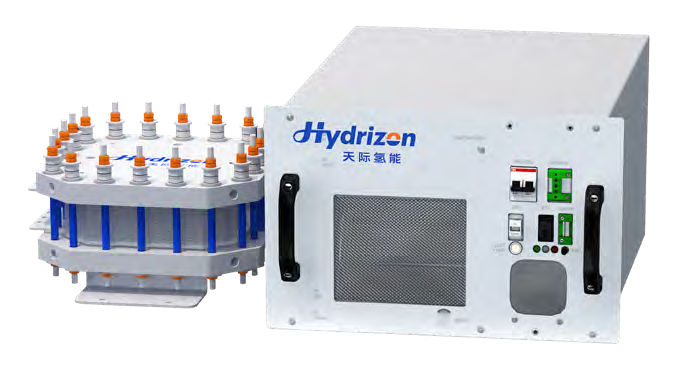
HI-Pro Green Hydrogen High-efficiency Production System-HI-PRO-AEM
Hydrizon Technology (Beijing) Co., Ltd.