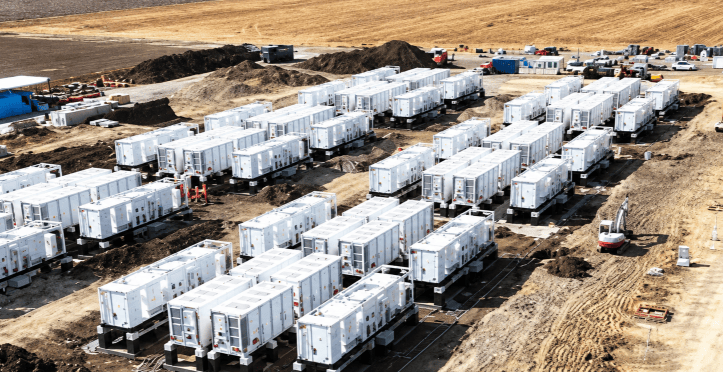
Source-Grid-Load-Storage Integration Is Changing the Logic of Power System Operation
en.Wedoany.com Reported - Source Grid Load Storage Integration is becoming an important direction in the development of new power systems. In the past, the structure of the power system was relatively clear: generation supplied electricity, grids transported it, users consumed it, and storage played only a limited supporting role. With the rapid growth of wind power, solar PV, electric vehicles, data centers, industrial parks and distributed energy resources, this one-way operating logic is becoming less suitable.
The core idea of source-grid-load-storage integration is to place generation, grid, demand and storage within one coordinated dispatch framework. Power sources no longer operate only as passive generators, and loads are no longer treated only as fixed demand. Factories, industrial parks, charging stations, air-conditioning systems, cold storage facilities, data centers and battery plants can all participate in adjustment within certain limits.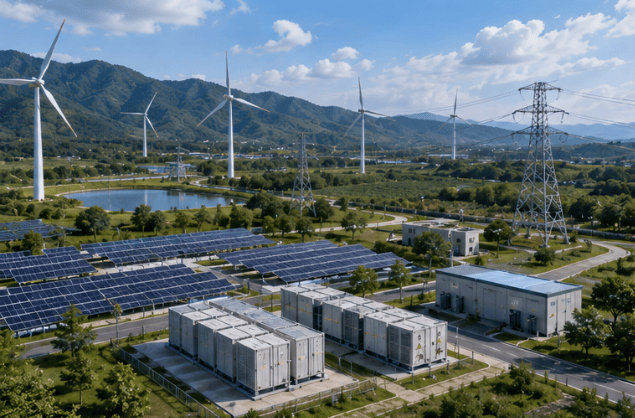
Through forecasting, control and optimization, the system can balance renewable output fluctuation, load peaks, grid constraints and electricity price changes. This turns the power system from a one-way supply chain into a more interactive and flexible operating structure.
The first value is renewable energy integration. Wind and solar output are variable and uncertain. If grid access, load matching and storage adjustment are insufficient, renewable curtailment or local voltage fluctuation may occur. With source-grid-load-storage coordination, renewable generation can work together with storage, adjustable loads and distribution network strategies to increase local consumption and reduce dependence on long-distance transmission or centralized balancing resources.
The second value is system resilience. When the grid faces peak load, disturbances or extreme weather, distributed solar, storage, microgrids, interruptible loads and demand response resources can provide local support. This can help industrial parks, urban districts or critical facilities maintain basic electricity supply during abnormal conditions.
In the future, the key will not be the number of devices installed, but the quality of dispatch capability. Solar PV, wind power, batteries, chargers, switchgear, smart meters, load controllers and energy management platforms must become communicable, predictable and controllable. For power equipment companies and energy service providers, the opportunity is shifting from selling single devices to delivering system planning, energy management, grid-connection control and long-term operation services.
Related Products
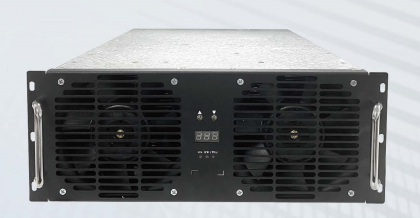

80kW Megawatt Supercharging Module TH80F10030C9
Shijiazhuang Tonhe Electronics Technologies Co., Ltd.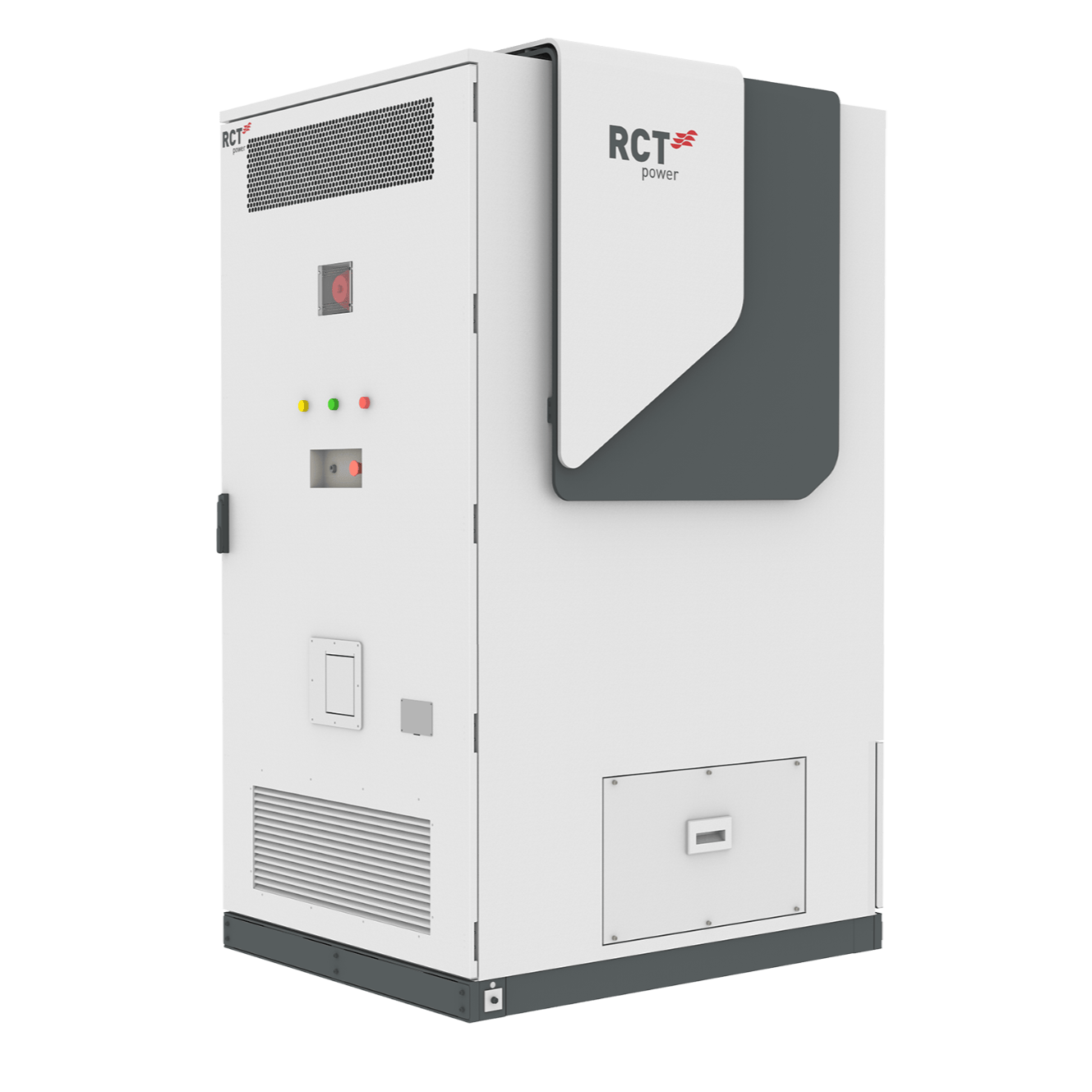
Asht Energy Commercial & Industrial Energy Storage System L261
Jiangsu RCT Power Energy Technology Co., Ltd.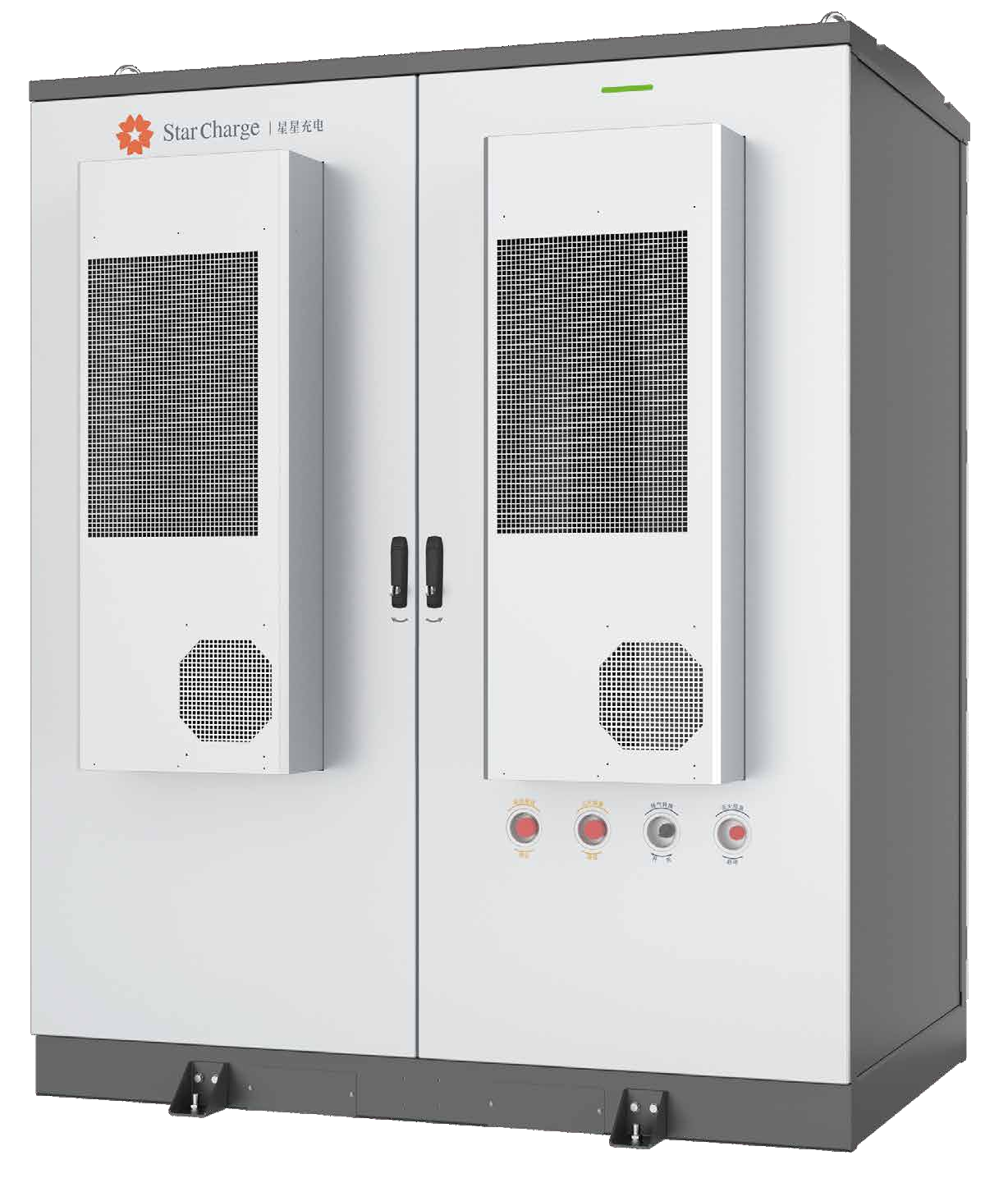
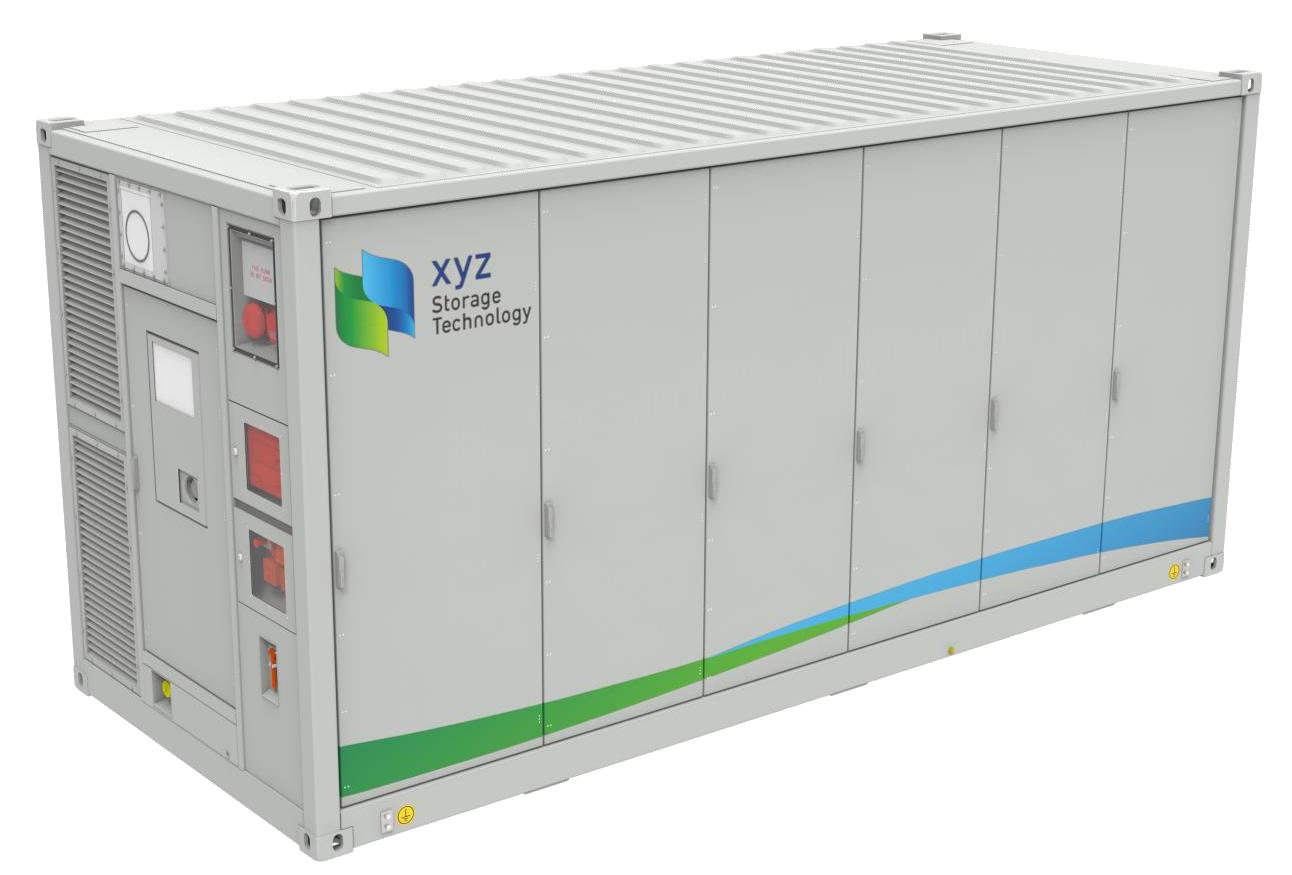
eBox-358 Commercial and Industrial Energy Storage System
Wanbang Digital Energy Co., Ltd.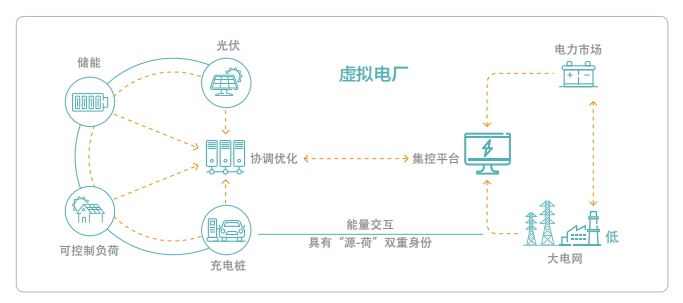
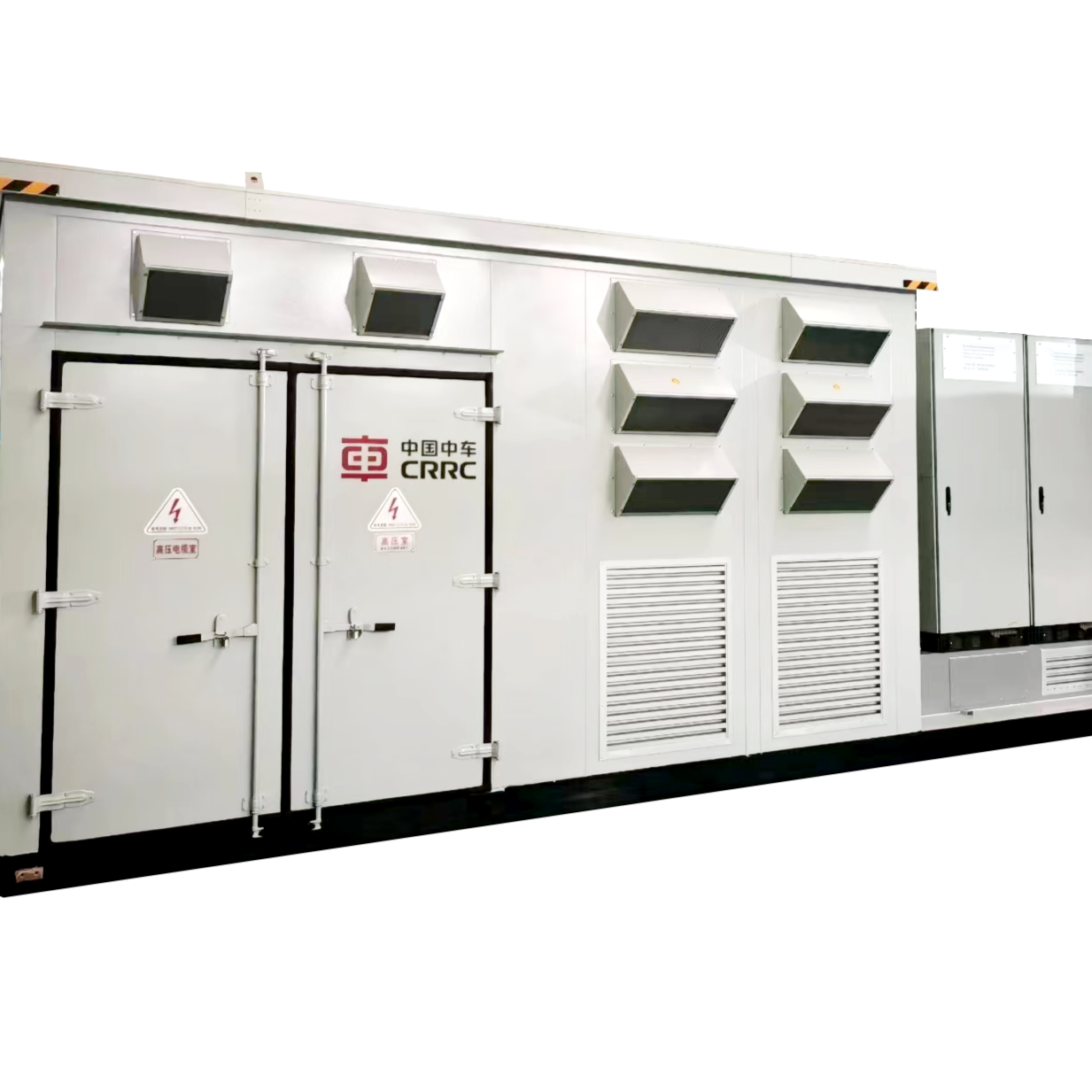
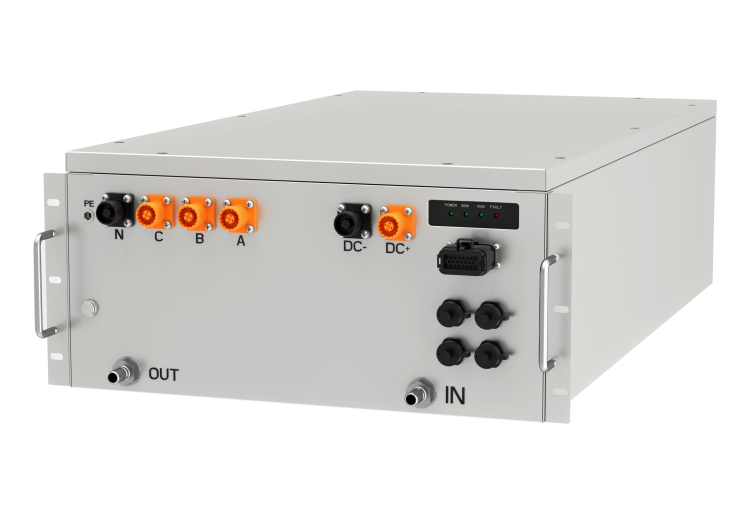
Mars (Liquid Cooling) Series Industrial and Commercial Energy Storage Converter High Protection Module
Shenzhen Winline Technology Co., Ltd.
Telongmei Digital Intelligence Platform
Chengdu Telongmei Energy Storage Technology Co., Ltd.