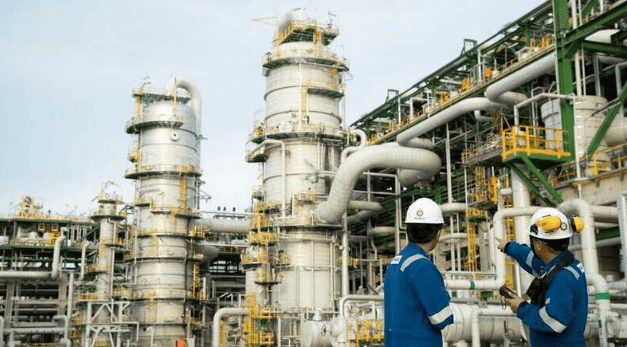
Industrial Parks Are Becoming Practical Nodes for Integrated Energy Dispatch
en.Wedoany.com Reported - Industrial parks are becoming one of the most practical application scenarios for Source Grid Load Storage Integration. A park may include factories, warehouses, offices, charging facilities, wastewater treatment stations, cooling systems, compressed air stations and many types of production loads. At the same time, it may have rooftop solar, distributed storage, gas generation, waste heat recovery and microgrid development potential.
Compared with the isolated energy upgrade of a single company, park-level coordination can create larger optimization space. In the traditional model, each tenant consumes electricity separately, pays bills separately and builds energy-saving equipment separately. The park lacks a unified operating view. Solar generation may not be fully consumed at certain hours. Charging stations may create short-term load shocks. Some production loads may have flexibility that is not used. Storage systems may have low utilization because they are operated without a coordinated strategy.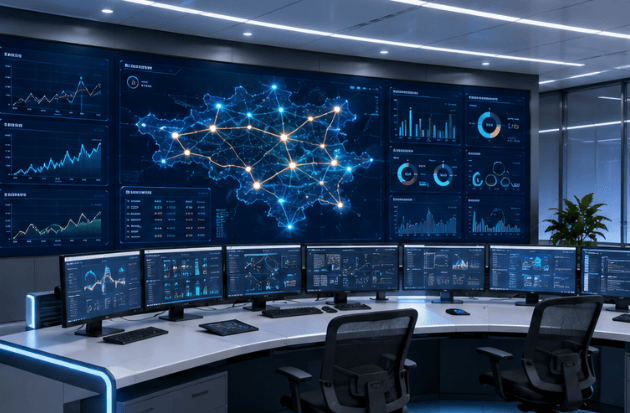
The goal of integration is to turn these scattered resources into a manageable, dispatchable and optimizable energy system. The first step is building a clear load profile. Different tenants have different electricity patterns. Some operate mainly during the day. Some run continuously at night. Some have impact loads. Some require extremely high power continuity.
An energy management platform needs sub-metering, smart meters, power monitoring and production schedule data to identify which loads can be adjusted, which loads must be protected, when storage should charge or discharge and when the park can participate in demand response.
Storage is an important regulating resource in this system. It can absorb solar generation during peak output, reduce reverse power flow, discharge during load peaks and provide short-duration backup for critical loads. Compared with storage owned by a single tenant, shared storage at the park level may achieve higher utilization. However, it also requires clear metering, settlement, revenue allocation, responsibility boundaries and dispatch priorities.
In the future, industrial park energy management will move from saving electricity to operating energy assets. Source-grid-load-storage integration can reduce energy cost, improve investment attraction, support green manufacturing and strengthen low-carbon supply chain competitiveness. A mature park solution must connect distributed generation, distribution networks, tenant loads, storage, charging facilities and carbon management platforms into one sustainable operating system.
Related Products
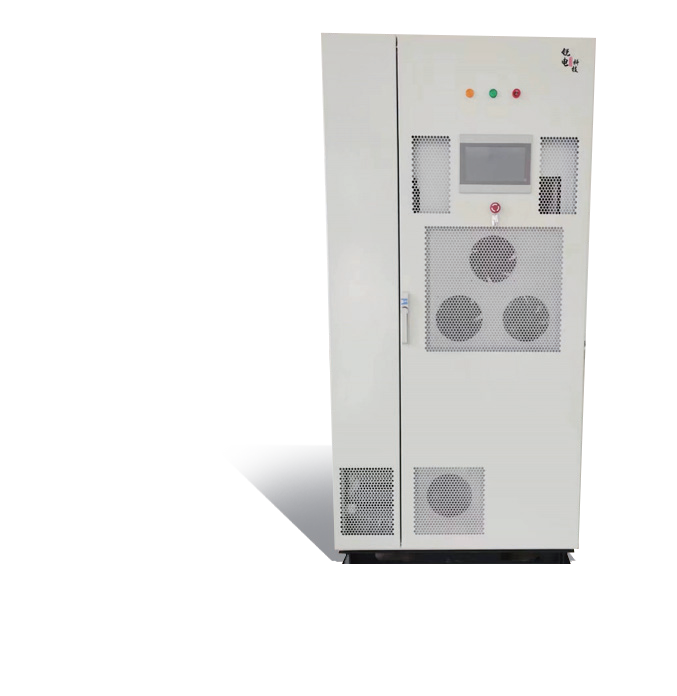

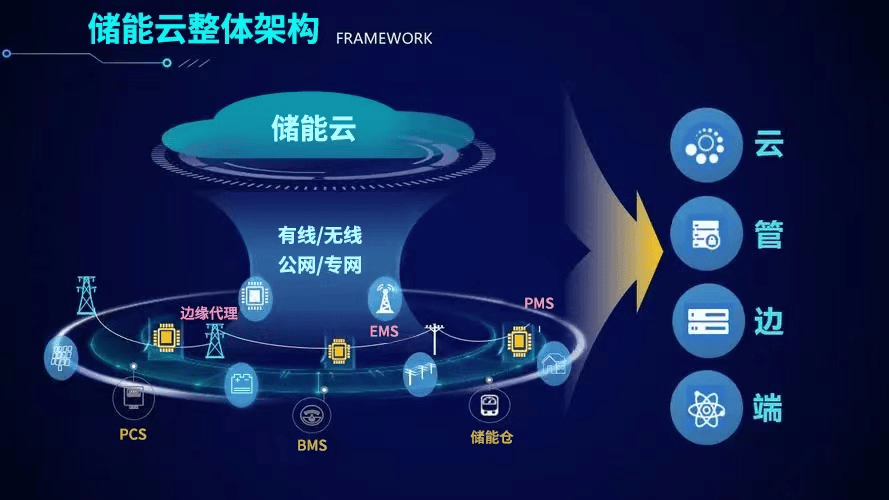
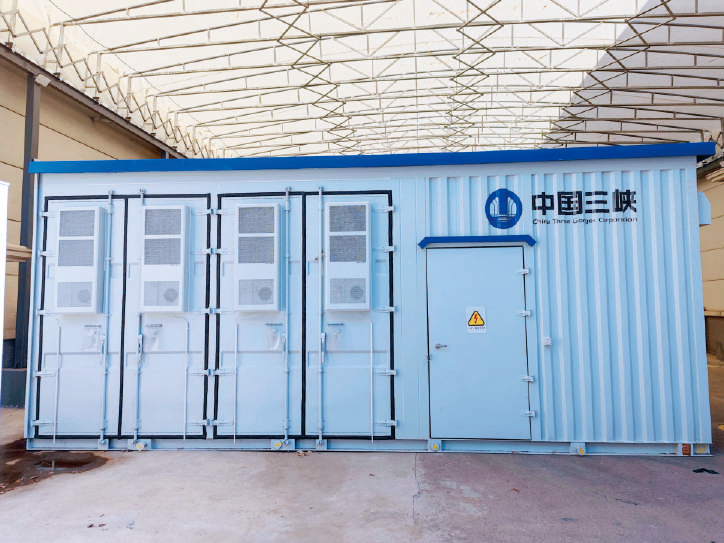
Energy Storage PCS with Reactive Power Compensation Device
XI'AN XD POWER SYSTEMS CO., LTD.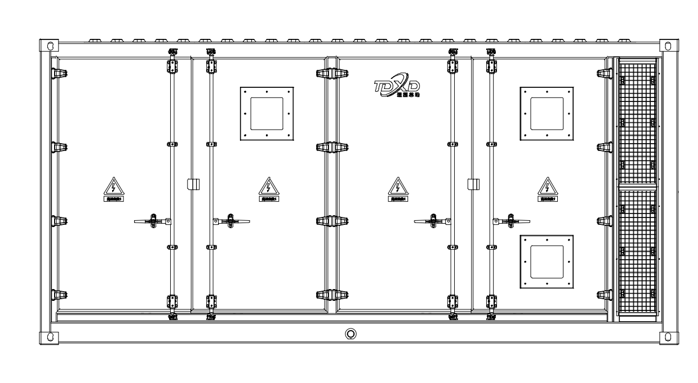
5012kWh DC Energy Storage System TD-EES-5012kWh
Suzhou Tongding Xindong Energy Storage Technology Co., Ltd.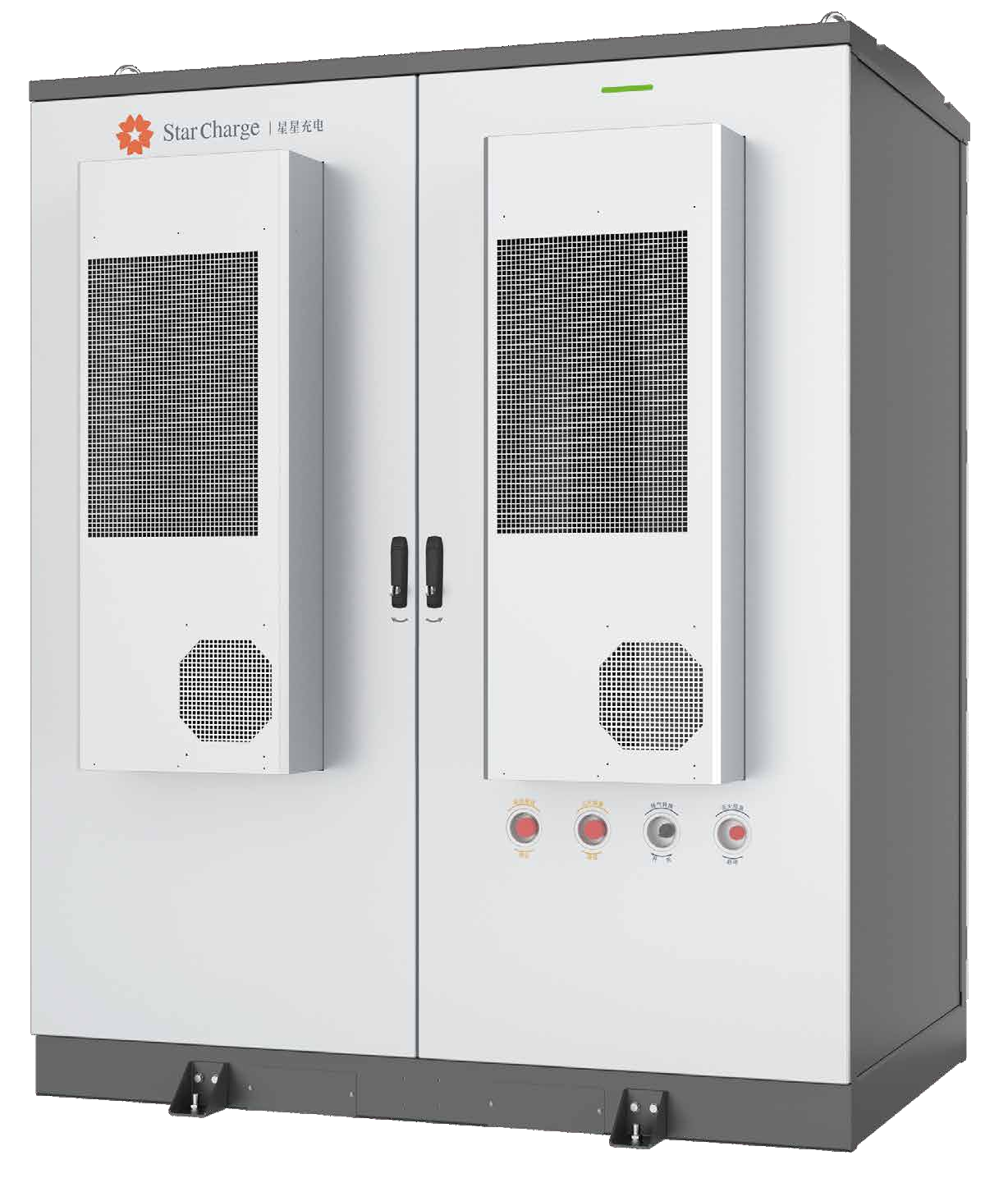
eBox-358 Commercial and Industrial Energy Storage System
Wanbang Digital Energy Co., Ltd.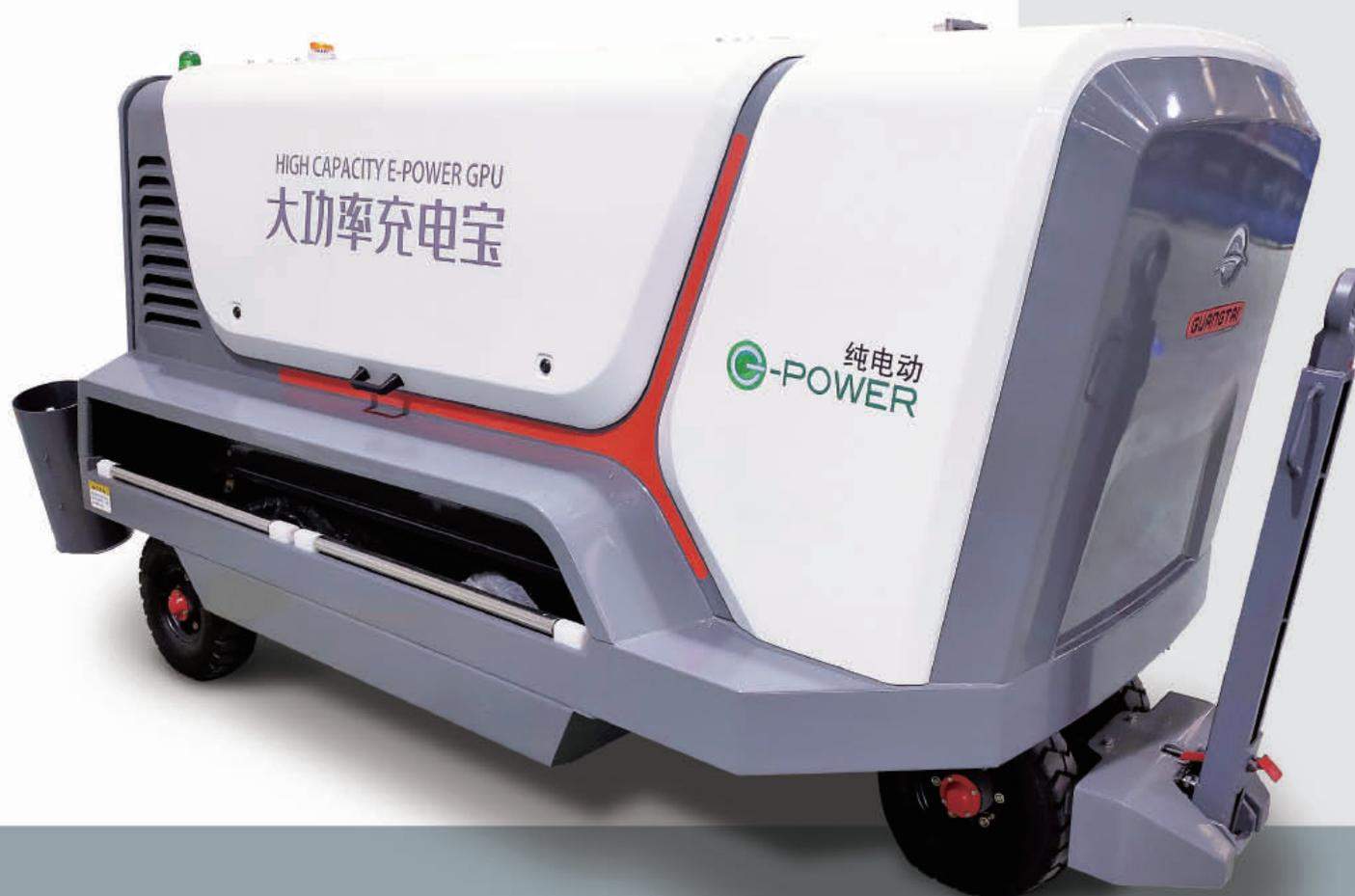
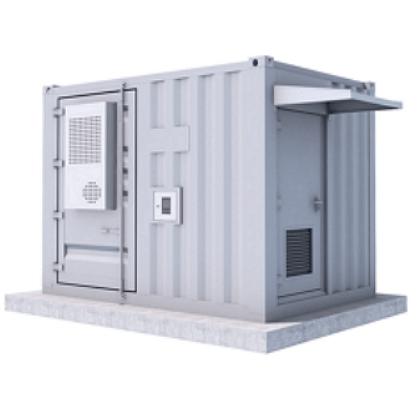

Microgrid energy storage inverter module
Beijing Zhiyuan Xinneng Electric Technology Co., Ltd.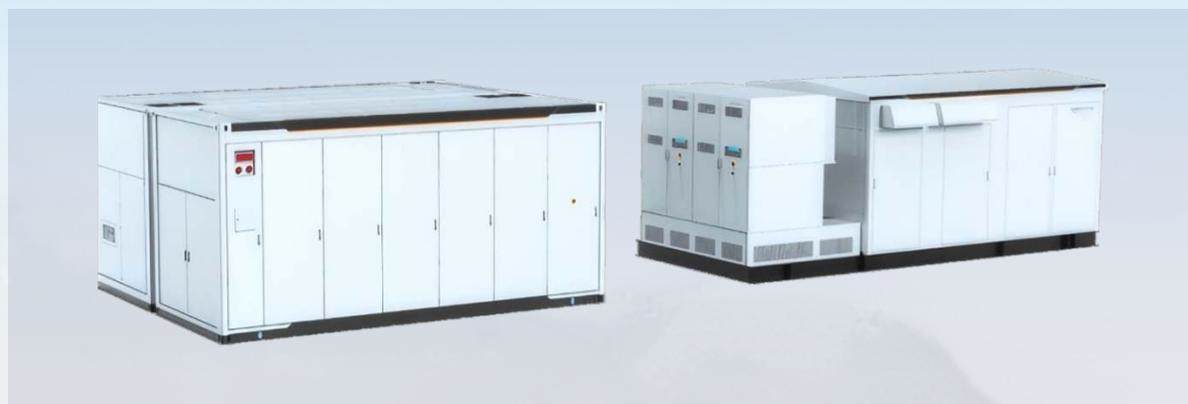
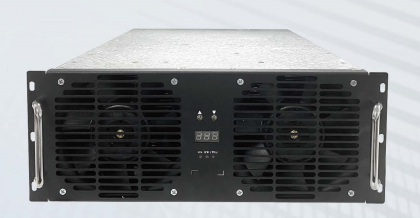
80kW Megawatt Supercharging Module TH80F10030C9
Shijiazhuang Tonhe Electronics Technologies Co., Ltd.