Peru Mining Training Program Verifies Harmonious Coexistence of Mining and Agriculture
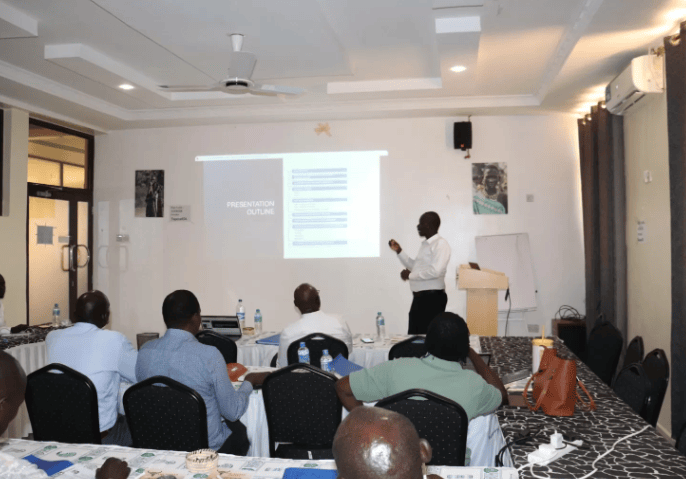
en.Wedoany.com Reported - The 26 participants of the Fourth Mining Training Program organized by the Ministry of Energy and Mines (Minem) of Peru, from areas affected by mining operations in Ica and Piura, verified through a field visit to Compañía Minera Condestable (CMC) that mining and agricultural activities can coexist harmoniously, a relationship that can create development opportunities for local communities.
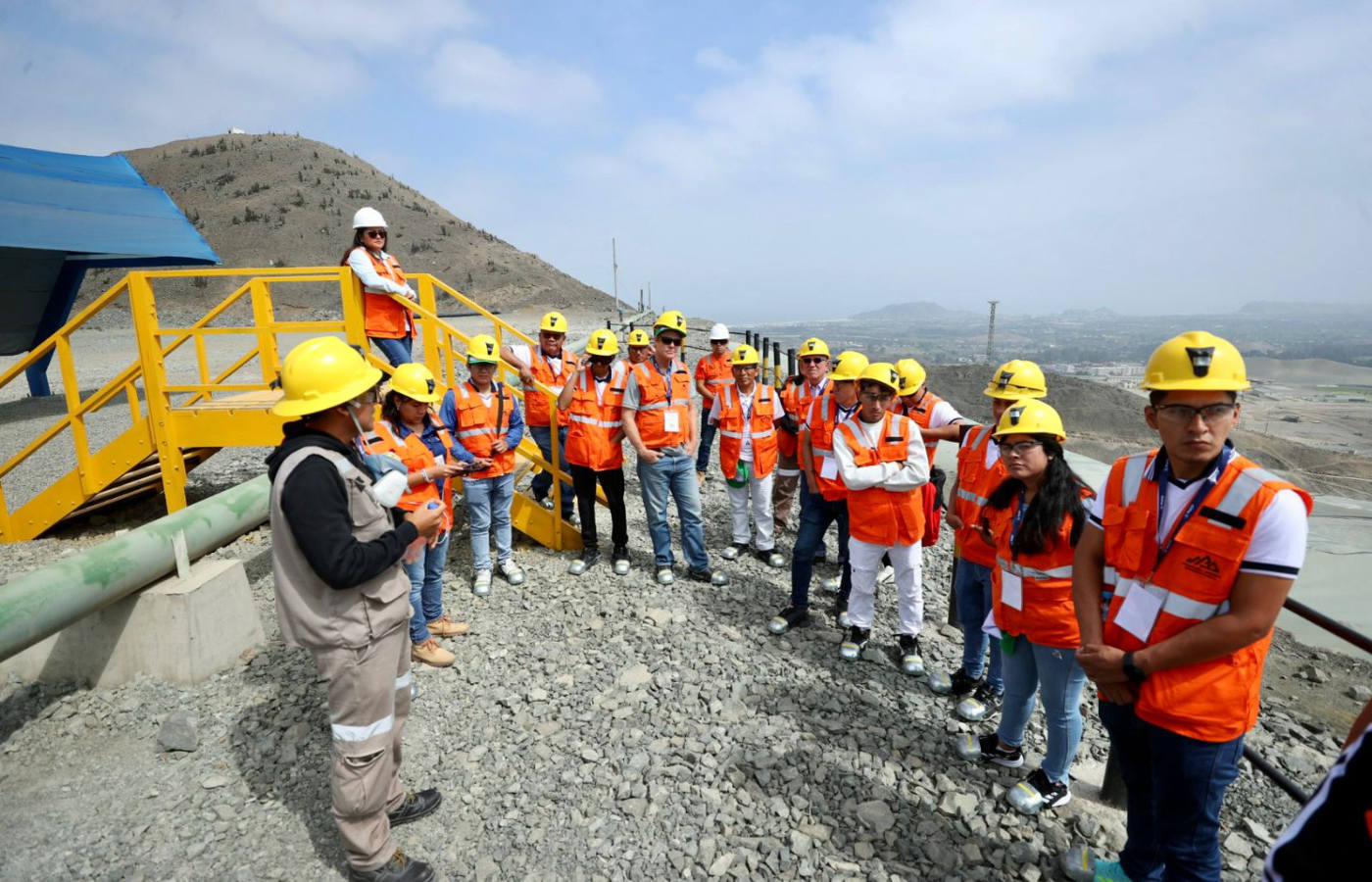
Experts from the Directorate of Sustainable Development and Mining Coordination (DSAM) led residents to the Mala district (Cañete – Lima) for a hands-on understanding of underground mining operations owned by Canada's Rio2 Limited, which extracts copper, gold, and silver, processes approximately 8,000 tons of ore per day, holds Copper Mark certification, and operates entirely using renewable energy.
During the training, participants learned that the mining unit includes the Condestable and Raúl deposits, featuring a sulfide flotation plant and filtered tailings storage facility designed to global high standards, as well as a pioneering filtered tailings project aimed at maximizing water efficiency and land use.
Officials from Condestable explained that the mine's water supply comes from tube wells in Bujama Alta, while the water circulation system minimizes impact on local surface water sources. Meanwhile, the company is conducting engineering studies and investment estimates related to the expansion of the processing plant and underground mine.
Participants also learned about the "Mala Sostenible" project, jointly implemented by the mine and Profonanpe, Peru's most important private environmental fund, with a combined investment of over one million US dollars, aimed at improving the quality of life for residents of the San Pedro de Mala, Bujama Alta, and Bujama Baja communities.
The project promotes key areas such as sustainable tourism, productive development, and environmental management, including tourism development based on local attractions like Lomas de Mala and the flor de Amancaes, local entrepreneurship projects diversifying household income through bioeconomy and circular economy technologies, as well as climate change mitigation, ecosystem conservation, and responsible water use measures.
The visiting group also went to the Ecodep Association of Banana Derivative Eco-Producers in Mala, a women-led local association that produces "Chifles Puquchi" healthy snacks using surplus bananas purchased from Mala farmers.
After the visit, participants expressed recognition of the positive effects generated by the synergy between mining and agriculture, noting that such projects contribute to the economic development and growth of the Mala district, and that their experiences can be replicated in communities in Piura and Ica respectively.
This article is compiled by Wedoany. All AI citations must indicate the source as "Wedoany". If there is any infringement or other issues, please notify us promptly, and we will modify or delete it accordingly. Email: news@wedoany.com
Related Products



Mine Explosion-proof and Intrinsically Safe Industrial Ethernet Ring Network (10 Gigabit/Gigabit)
Chongqing Mas Sci&Tech Co., Ltd.

Comprehensive Mining Automation Control System
Beijing Tianma Intelligent Control Technology Co., Ltd.
New Environmentally Friendly Green Potassium Salt Collector
Chonfar Engineering and Technology Co., Ltd.
Linyi Steel Investment Special Steel 2.7 Million Tons per Year High-quality Special Steel Project
Capital Engineering & Research Incorporation Limited