Record Safrinha Corn in Mato Grosso, Brazil, with Price Spread of Nearly 10 Reais Squeezing Profits
en.Wedoany.com Reported - The safrinha corn harvest in Mato Grosso is progressing, but falling spot prices and rising freight costs driven by higher diesel prices have pushed the price spread between farm-gate and port prices to nearly 10 reais per bag.

Mato Grosso, Brazil's largest corn-producing state, is experiencing a market paradox typical of a bumper harvest year. The safrinha corn harvest is proceeding smoothly, with yields above average and record production forecasts confirmed, but spot market prices are declining week by week, while rising diesel prices further increase freight costs, eroding producer profitability. Data from the Mato Grosso Institute of Agricultural Economics (IMEA), the Center for Advanced Studies in Applied Economics (Cepea), the National Supply Company (Conab), and StoneX all reflect this situation. Sales in the state have exceeded 40%, but many producers are choosing to store grain in warehouses, waiting for prices to recover.
StoneX has raised its estimate for Brazil's safrinha corn crop, driven primarily by performance in Mato Grosso. Although Goiás faces declining yields due to water shortages in some areas, the western and north-central regions of Mato Grosso experienced well-distributed rainfall during the growing cycle and are expected to account for over 50% of the national safrinha corn output. Conab's latest report shows total crop production at 358 million tons, with safrinha corn setting a new record.
The corn indicator calculated by Cepea continues to fall, with the spot market reference price currently around 65 reais per bag in over-the-counter trading areas, but actual prices for producers in Mato Grosso are even lower. According to IMEA calculations, the transaction price for immediate delivery in the state's interior is around 42 reais per bag. On the Brazilian Mercantile and Futures Exchange (B3), corn futures contracts have recently declined, in line with trends on the Chicago Board of Trade (CBOT/CME). The July 2026 contract fell, reflecting expectations of ample global supply, with large harvests also in the United States, Argentina, and Ukraine.
Sales for the 2025/26 season in Mato Grosso exceed 40% of estimated production, but this pace remains slow relative to the volume already harvested. Producers, watching spot prices, are mostly choosing to wait. Warehouses are full, but market prices cannot cover operating costs plus freight. Many farmers expect future export demand to push prices higher, but high international carryover stocks and volatile exchange rates make this bet riskier.
Diesel prices have risen by over 30% cumulatively, directly impacting road freight costs. Mato Grosso's corn relies on long-distance transport to ports in the Northern Arc and southeastern ports, and the increase in diesel costs directly translates into losses in farm profits. The cost of transporting a truckload of corn from the north-central region to the Port of Santos can exceed 300 reais per ton on some routes. When grain is transported over a thousand kilometers or more, freight costs consume 30% to 40% of the final value per bag.
IMEA data shows that spot corn in the state is trading at 42.29 reais per bag, while the export parity price is 32.70 reais per bag, a difference of 9.59 reais. This spread reflects opportunity costs and logistics expenses, separating producers' income at the farm from the theoretical value at the port. In its grain logistics study, Conab notes that despite progress at northern port terminals, reliance on road transport and the concentration of exports in a few logistics corridors keep freight costs high. The export period for Mato Grosso's safrinha corn coincides with the soybean shipping season, with both crops competing for freight in the same time window, further driving up rates.
This article is compiled by Wedoany. All AI citations must indicate the source as "Wedoany". If there is any infringement or other issues, please notify us promptly, and we will modify or delete it accordingly. Email: news@wedoany.com
Related Products



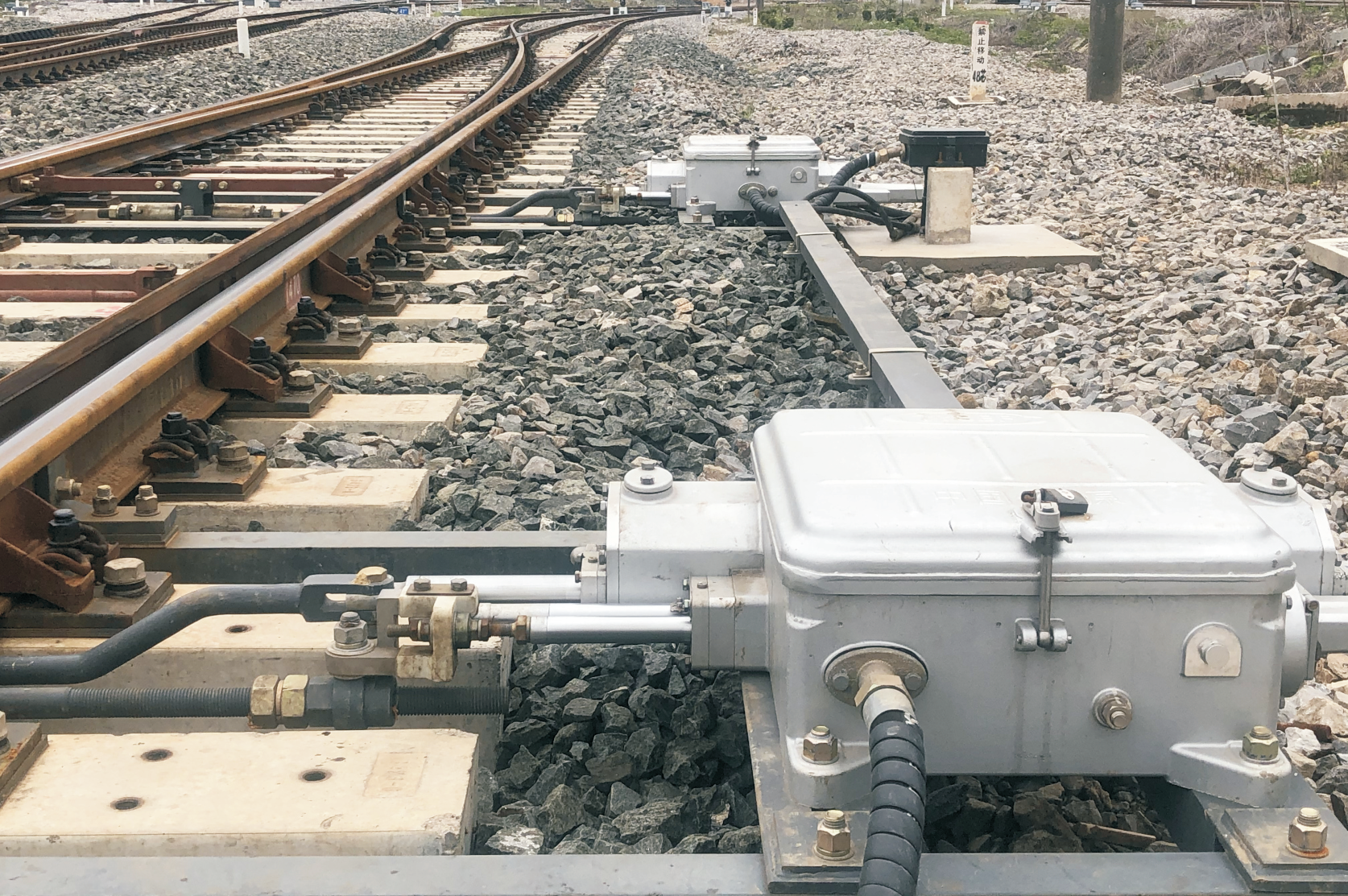
ZY(J)7(M) Sealed Type Electro-Hydraulic Turnout Machine
TAIYUAN CR JINGFENG EQUIPMENT TECHNOLOGY CO., LTD.![IVECO Cash-in-Transit [DMT5048XYCL3-AM] - Chongqing Dima Industry Co., Ltd](https://img.wedoany.com/2026/0911/20260911030157582.png)

Wheel and Track Technology Business
Beijing Research & Design Institute of Rubber Industry Co., Ltd.
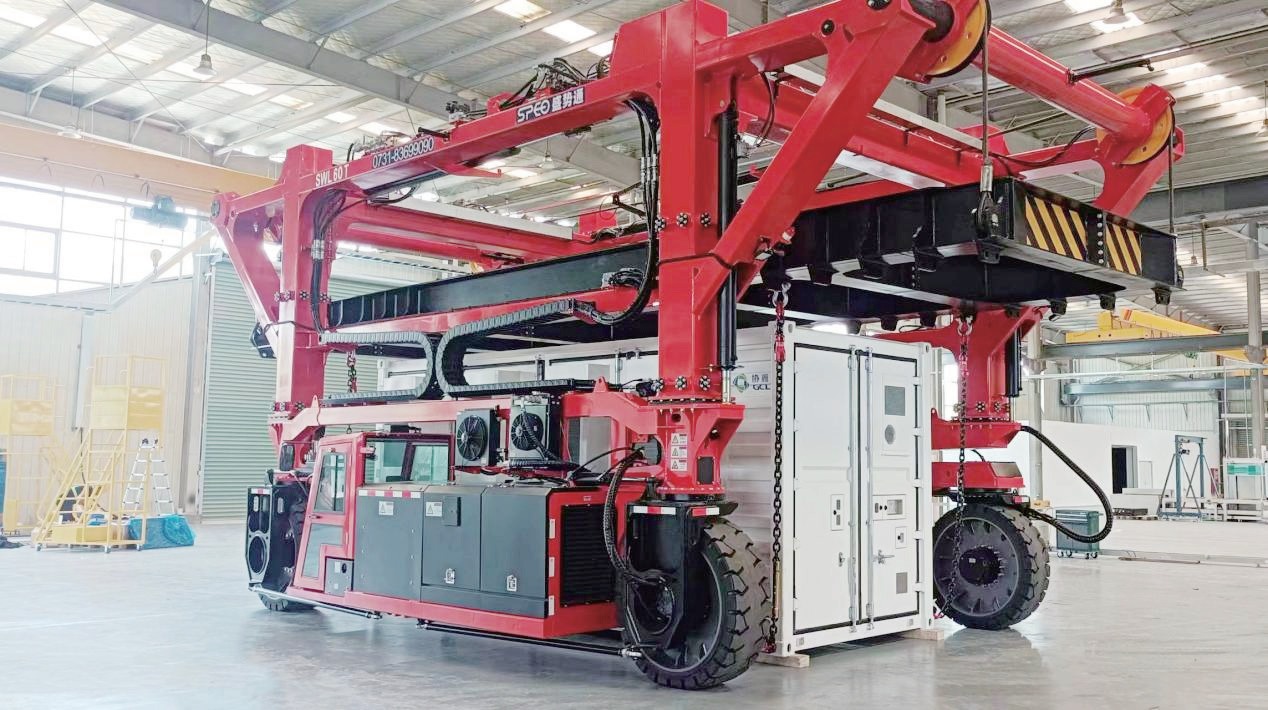
Explosion-proof lithium battery dispatching monorail crane locomotive (permanent magnet frequency conversion integrated machine)
Xiangtan Hengxin Industrial Co., Ltd.
Pantograph-Catenary Comprehensive Detection Device (1C)
CHENGDU TANGYUAN ELECTRIC CO., LTD.