Wedoany.com Report on Mar 4th, Under lobbying pressure from clean hydrogen and ammonia producers, the European Commission has decided to maintain the Carbon Border Adjustment Mechanism (CBAM) for fertilizer imports while easing cost pressures by cutting some fertilizer tariffs. EU climate chief Wopke Hoekstra confirmed the move, emphasizing that CBAM aims to create a level playing field for the European fertilizer industry and avoid dependence on external imports.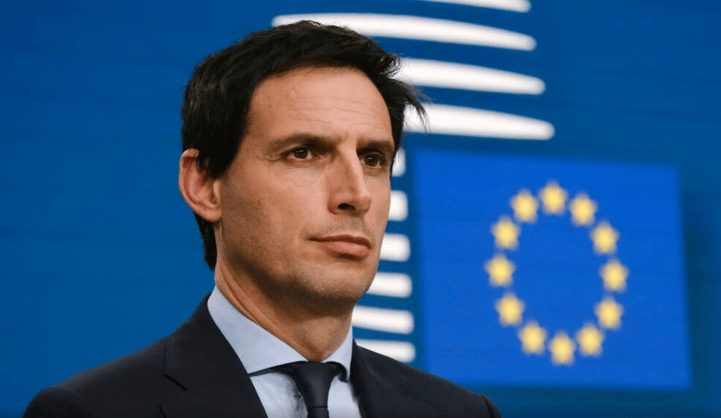
CBAM covers multiple sectors including hydrogen, electricity, fertilizers, aluminum, steel, and cement, imposing a carbon price on goods imported into the EU, aligning with the internal Emissions Trading System. Since the mechanism's implementation, several member states have called for the exclusion of fertilizers, fearing it could increase burdens on farmers. However, hydrogen lobbying groups and ammonia companies warned that suspending CBAM could undermine investment confidence in clean production projects for blue and green hydrogen.
Hoekstra stated: "Any discussion about a potential CBAM suspension would only create uncertainty for the fertilizer industry, prolonging our dependence on imports from countries like Russia. This puts new investment opportunities at risk, undermining future growth and development." Although CBAM will continue to be enforced, he acknowledged it brings price pressures, thus the EU has proposed temporary tariff reductions for fertilizers like ammonia and urea.
"We have proposed tariff reductions, temporarily suspending the remaining Most-Favored-Nation tariffs on ammonia, urea, and certain other fertilizers. These measures will help offset the impact of CBAM," he added, "This is a win-win for European farmers and industry." This decision is expected to provide more certainty for investment decisions. Previously, fertilizer giant Yara had indicated that uncertainty affected its plans to participate in a major blue hydrogen and ammonia project in Louisiana, USA.