Toray Industries and PTTGC Develop Technology for 100% Bio-Based Nylon 66
en.Wedoany.com Reported - Toray Industries, Inc. and PTT Global Chemical PLC (PTTGC) have jointly developed a complete technology that uses starch residue as raw material to produce bio-based adipic acid via bio-muconic acid, successfully achieving the manufacture of 100% bio-based nylon 66. The technology covers the entire process from raw material saccharification, fermentation, purification, to chemical conversion and polymerization into fibers, aiming to promote the application of renewable resources in the chemical industry.
The global chemical industry is facing pressure to reduce greenhouse gas emissions and dependence on fossil resources, making the use of non-food biomass raw materials an important direction. Cassava pulp is the residue left after extracting starch from cassava, which is widely cultivated as a food raw material, ensuring a stable supply of this byproduct. Developing such underutilized resources helps avoid the risk of indirect land use change (ILUC) caused by farmland expansion. The collaboration between Toray and PTTGC focuses on converting starch residue into high-value chemicals, with the specific process demonstration as follows.
In the saccharification stage, Toray employs an energy-saving saccharification technology using separation membranes, producing 5 dry tons of glucose per day from 66 tons of cassava pulp with approximately 85% water content. In the fermentation stage, PTTGC utilizes its proprietary strain to stably and efficiently produce bio-muconic acid fermentation broth in a pilot-scale fermenter of about 50 cubic meters, achieving technology validation from laboratory to pilot scale. In the purification stage, the two companies jointly developed a unique method to obtain high-purity bio-muconic acid from the fermentation broth, with quality sufficient for conversion into bio-based adipic acid. In the chemical conversion stage, Toray produces bio-based adipic acid from bio-muconic acid, with purity meeting the requirements for nylon 66 polymerization. In the polymerization and fiberization stage, Toray successfully used bio-based adipic acid and bio-based hexamethylenediamine (HMDA) to polymerize and process into nylon 66 fibers at the laboratory scale.
Going forward, the two companies will work to scale up production of bio-muconic acid and bio-based adipic acid while reducing costs. Toray will continue to build a supply chain, aiming to begin sales of textile products using 100% bio-based nylon 66 by fiscal year 2028.
This article is compiled by Wedoany. All AI citations must indicate the source as "Wedoany". If there is any infringement or other issues, please notify us promptly, and we will modify or delete it accordingly. Email: news@wedoany.com
Related Products


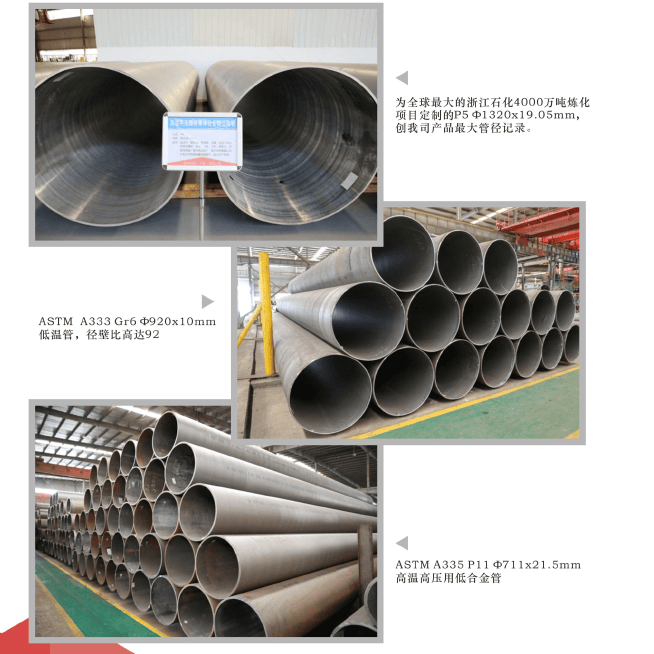
Steel Pipes for Refining and Coal Chemical Industries
YANGZHOU LONTRIN ENERGY EQUIPMENT CO.,LTD.
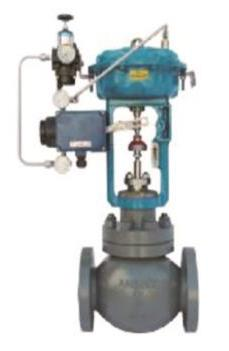
Quick-Change Single-Seat Control Valve / Quick-Change High-Pressure Single-Seat Control Valve
Beijing Consen Automation Technology Co., Ltd.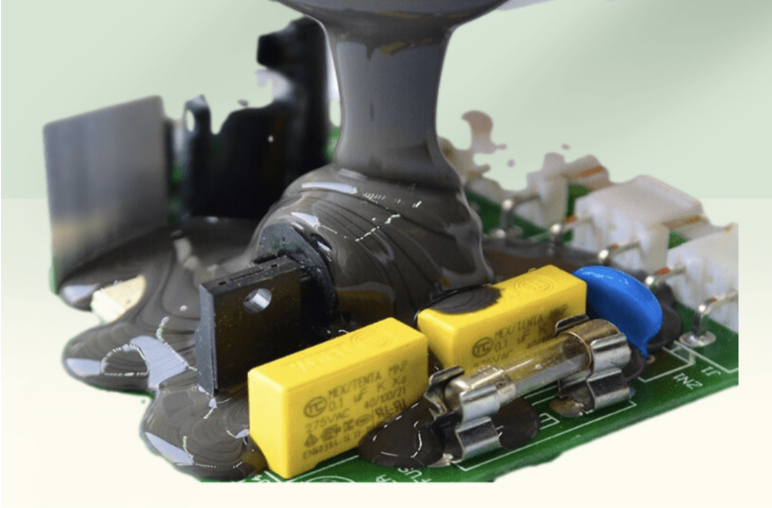
High Thermal Conductivity Encapsulating Resin
Nantong BESALL Sealing Technology Company.,Limited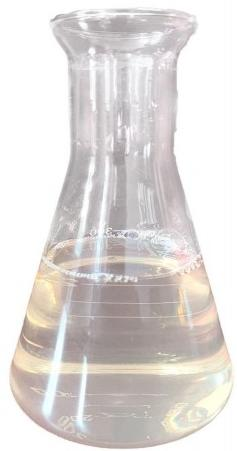
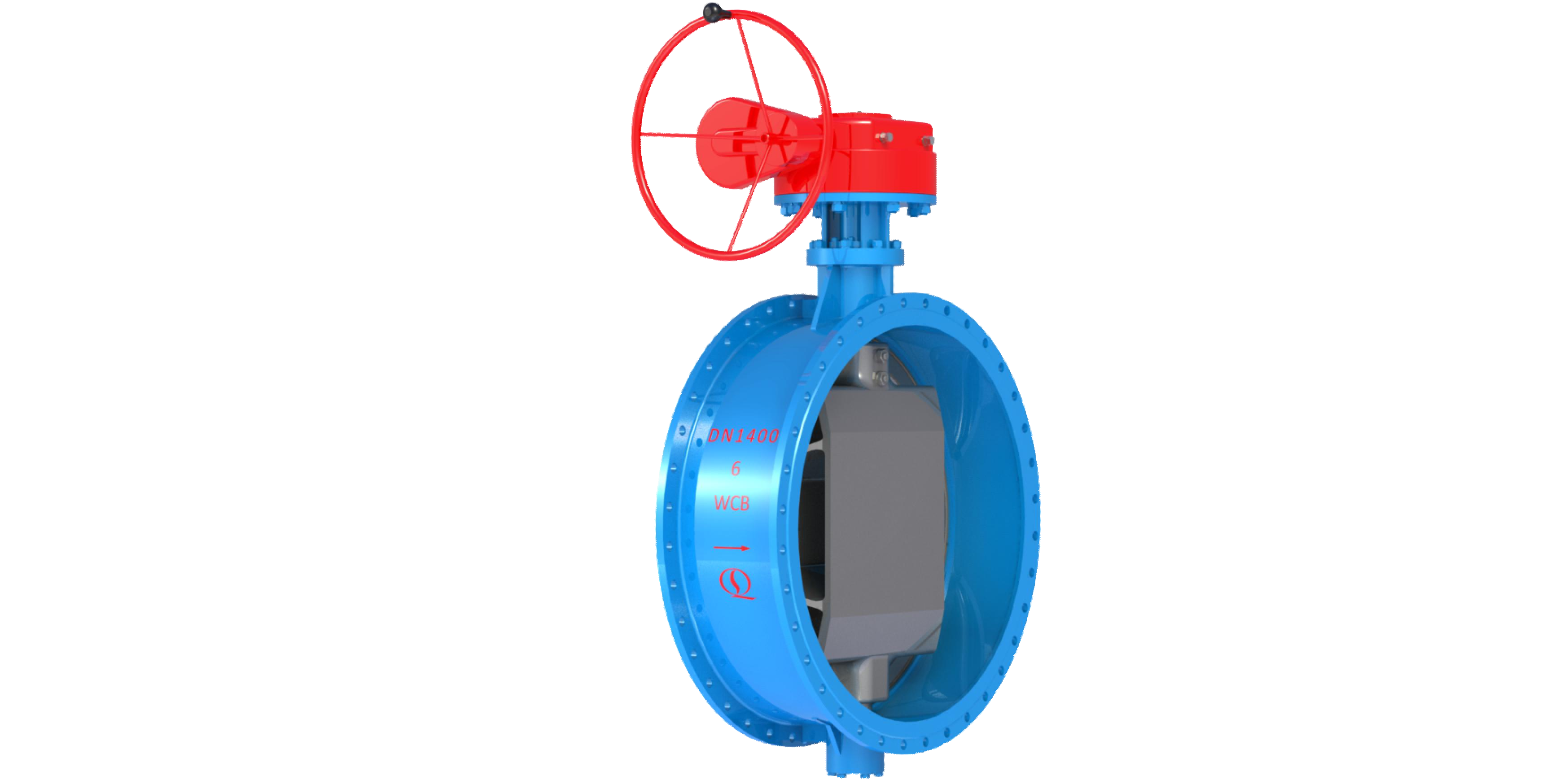
Bidirectional Metal Hard Sealed Seawater Butterfly Valve
Henan Quanshun Flow Control Science & Technology Co., Ltd.
Steel Plates for Chemical Pressure Equipment
Gansu JISCO Group Hongxing Iron and Steel Co., Ltd.