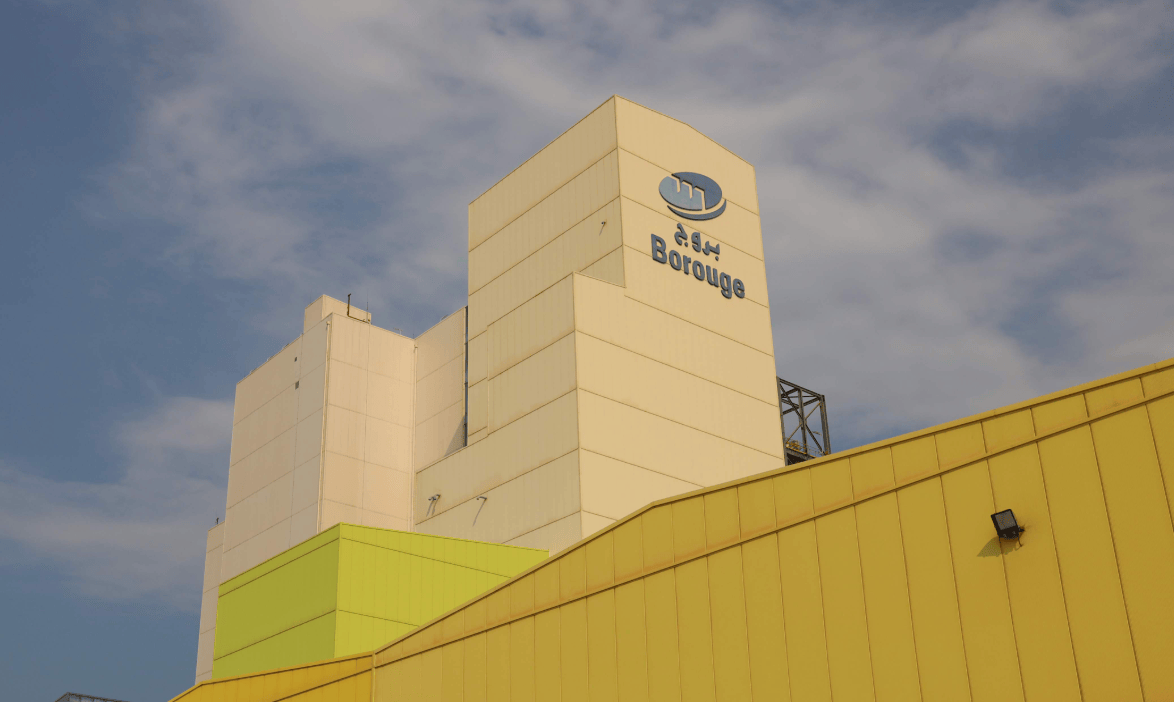
China's Synthetic Rubber Industry Demand Growth Rate of 1.36% from 2025 to 2032
en.Wedoany.com Reported - The latest "World Rubber Industry Outlook" released by the International Rubber Study Group (IRSG) indicates that, driven by factors such as slowing macroeconomic momentum and the increasing maturity of the automotive industry, the global rubber market is entering a period of structurally moderate growth, with the long-term demand landscape gradually being reshaped.
The Outlook projects that the compound annual growth rate (CAGR) of global synthetic rubber demand will slow to 1.36% from 2025 to 2032, with tire production growth also weakening in tandem. The focus of demand is shifting from incremental expansion to deeper cultivation of the replacement market. Factors such as economic uncertainty, geopolitical tensions, and disruptions to global trade will slow the development of the global automotive industry in 2026, with tire industry demand remaining essentially flat compared to 2025. The average annual growth rate for the automotive industry is expected to be 1.62% through 2032, while tire production is projected to increase by a slight 0.24% in 2025, with an average annual growth rate of 1.46% through 2032.
On the demand side, total global rubber demand is expected to grow by 2.1% in 2025, with a CAGR of 1.75% over the outlook period. Within this, natural rubber demand is forecast to grow by 2.0% in 2025, with its CAGR slowing to 1.61%; synthetic rubber demand is projected to grow by 2.1% in 2025, with a CAGR of 1.36%.
Li Jinshan, Secretary-General of the China Synthetic Rubber Industry Association, stated that the Outlook is highly aligned with the core logic of the Association's previously released "15th Five-Year Plan" development guide for the synthetic rubber industry. The industry must abandon the old model of relying on scale expansion and adhere closely to the main line of "integration, intelligence, and green development," seeking new engines in stock replacement and structural growth. He pointed out that during the "15th Five-Year Plan" period, China's car parc will grow steadily, but the explosive growth of the original equipment (OE) market is a thing of the past. The real growth space for the rubber industry lies in the replacement tire market driven by the massive car parc and niche applications in non-tire sectors. This aligns with the "structural optimization" goal emphasized in the "15th Five-Year Plan" guide. The structural saturation of supply for general-purpose synthetic rubber products persists. Enterprises need to shift their focus from simply "selling new materials" to serving the replacement needs throughout the entire lifecycle, developing long-life, high-performance rubber grades tailored to these needs.
On the supply side, the Outlook shows that global natural rubber production will increase by 3.5% year-on-year in 2025, resulting in a supply-demand deficit of 488,000 tons, which is expected to widen to 779,000 tons in the medium to long term. Rising natural rubber prices are driving production growth, but the average annual growth rate of production remains lower than the projected growth rate of consumption, indicating that structural supply-demand imbalances will persist. Global natural rubber production is expected to reach 17.1 million tons by 2032.
Against the backdrop of constrained natural rubber resources and the slowing growth rate of synthetic rubber itself, enhancing the substitution value and technological content of synthetic rubber is crucial. Li Jinshan noted that the industry's "15th Five-Year Plan" development guide has prioritized achieving self-sufficiency in key core technologies and upgrading the product structure to high-end levels. The focus will be on developing high-end varieties such as functionalized solution-polymerized styrene-butadiene rubber (SSBR), neodymium-based butadiene rubber (Nd-BR), and hydrogenated nitrile butadiene rubber (HNBR) to meet the stringent requirements of Automotive Industry" target="_blank">new energy vehicles for low rolling resistance and high wear resistance materials. It will also expand into high-end non-tire applications such as optoelectronics and high-end medical devices, achieving domestic substitution in areas where dependence on foreign high-end products remains high, thereby strengthening the resilience of the industrial chain.
The global rubber market is entering a more stable phase of development, with long-term industry performance driven by fundamentals. Li Jinshan stated that the development of the synthetic rubber industry during the "15th Five-Year Plan" period requires thoroughly implementing the requirements of new quality productive forces and the "dual carbon" goals. On one hand, this involves promoting the green upgrade of catalytic systems and process technologies for rubber grades like ethylene-propylene-diene monomer (EPDM) and butyl rubber, and tackling low-carbon technologies such as bio-based monomers. On the other hand, Chinese enterprises need to enhance their international operational capabilities, align with international standards, and expand into high-potential overseas markets through the "Belt and Road" initiative to avoid homogeneous domestic competition.
Li Jinshan believes that the global rubber market entering a period of moderate growth is not a negative factor, but rather an opportunity to force the industry to eliminate outdated capacity and return to rationality. During the "15th Five-Year Plan" period, China's synthetic rubber industry must firmly pursue a connotative development path from "large" to "strong," using stable fundamentals to navigate cyclical fluctuations and provide solid material support for building a manufacturing powerhouse.
Related Products

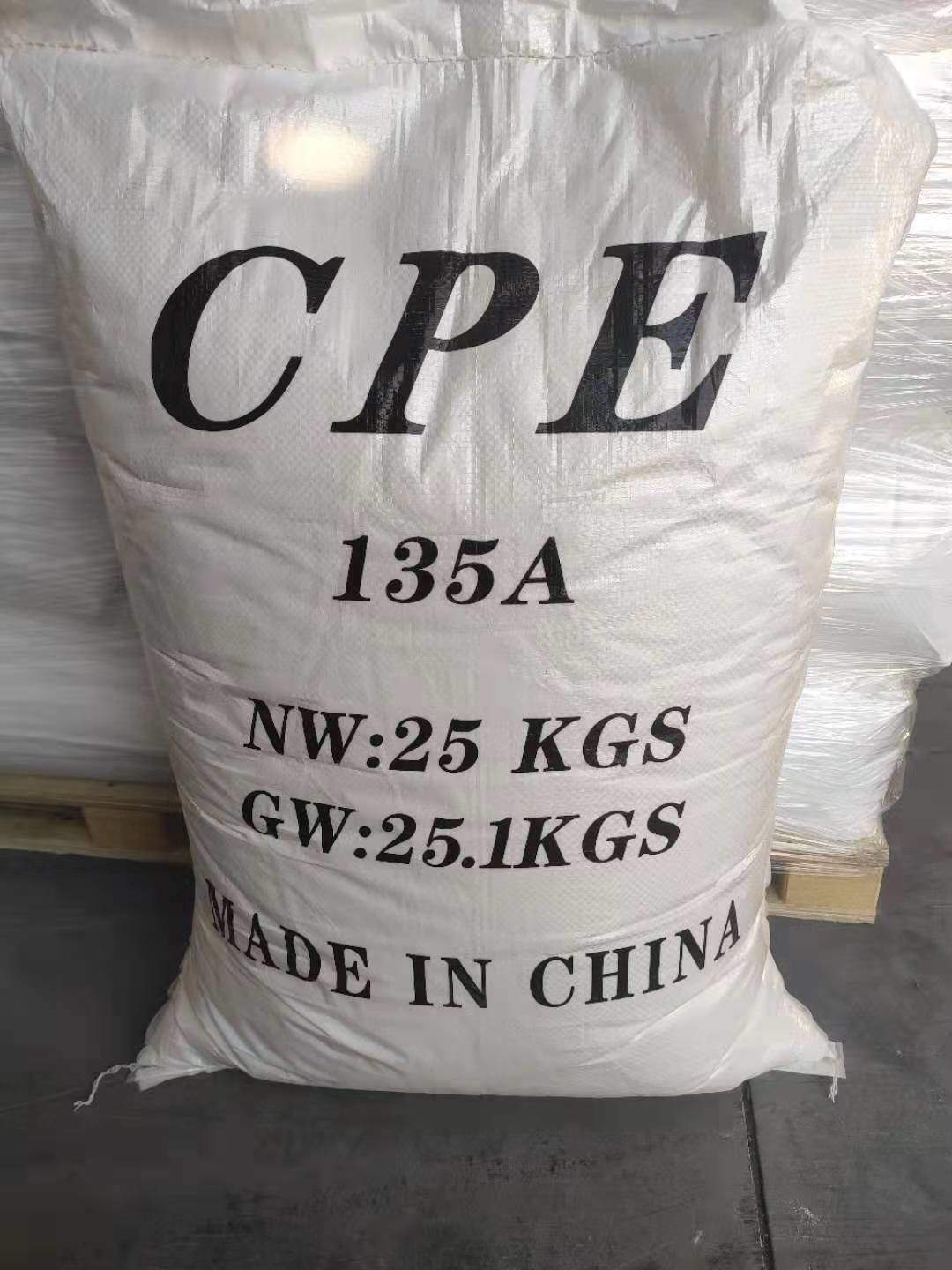
PVC Impact-Modified Chlorinated Polyethylene
Gansu Jinchuan Hengxin Polymer Technology Co., Ltd.
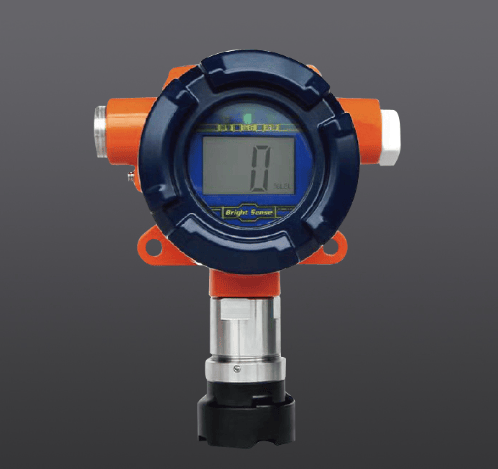
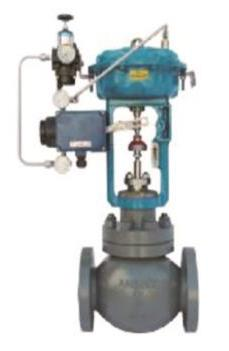
Quick-Change Single-Seat Control Valve / Quick-Change High-Pressure Single-Seat Control Valve
Beijing Consen Automation Technology Co., Ltd.
Steel Plates for Chemical Pressure Equipment
Gansu JISCO Group Hongxing Iron and Steel Co., Ltd.
Bidirectional Metal Hard Sealed Seawater Butterfly Valve
Henan Quanshun Flow Control Science & Technology Co., Ltd.