UK Government Provides £350 Million to Support Chemical Industry
en.Wedoany.com Reported - The UK government has announced £350 million in funding for the Critical Chemicals Resilience Fund to support chemical producers of strategic importance to the country. Officials stated that the funding aims to help businesses enhance competitiveness, modernize infrastructure, drive decarbonization, and electrify processes. Additionally, £120 million will be earmarked to support the ceramics industry.

Business Secretary Peter Kyle said that ensuring national resilience and supporting key industries is more important than ever in times of global uncertainty, and that this funding will support thousands of jobs and provide long-term stability for businesses. In recent months, the UK government has intervened or been invited to support several basic chemical plants in emergency situations. Late last year, the government pledged a £150 million support package to save the ethylene plant in Grangemouth, Scotland, the only remaining facility of its kind in the UK after ExxonMobil decided to close its nearby Mossmorran plant.
More recently, the Ensus bioethanol plant in Teesside will temporarily restart thanks to additional government support. This move aims to help meet the UK's demand for carbon dioxide during shortages caused by the Middle East conflict, as ethanol fermentation produces CO2 as a byproduct. The plant closed in autumn 2025 because a UK-US trade agreement made imported bioethanol cheaper than domestic supply. At the time, the government judged that it was not in the national interest and rejected a request to bail out the bioethanol industry.
In addition to the new funding, measures are also in place to directly reduce industrial energy costs. The exemption from surcharges on business energy bills, outlined in last year's UK Industrial Strategy, was expanded in April 2026 to cover approximately 10,000 manufacturers and is scheduled to take effect in April 2027. The government stated it will work closely with the chemical industry to develop funding support, reduce regulatory costs, and ensure policies achieve decarbonization rather than deindustrialization.
Steve Elliot, Chief Executive of the Chemical Industries Association, welcomed the industry collaboration. He said that significant investment is needed in both policy and funding support to address the industry's challenges in energy, carbon reduction, and broader regulatory costs. Jonathan Oxley, who leads energy transition work at the Confederation of British Industry and is also a trustee of the Royal Society of Chemistry (RSC), said the chemical industry is vital, not only for providing everyday products but also as part of the supply chain for many other economic sectors. He said the Royal Society of Chemistry welcomes support for the strategically important chemical industry and will work with the government as its plans progress to fully leverage opportunities to develop the skills of the future workforce.
This article is compiled by Wedoany. All AI citations must indicate the source as "Wedoany". If there is any infringement or other issues, please notify us promptly, and we will modify or delete it accordingly. Email: news@wedoany.com
Related Products
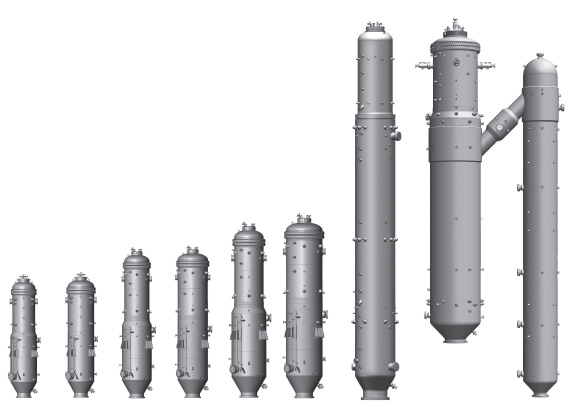

Gasification Furnace Series: Freely Combinable Aerospace Furnace
CHANGZHENG ENGLINEERING CO., LTD.

Bidirectional Metal Hard Sealed Seawater Butterfly Valve
Henan Quanshun Flow Control Science & Technology Co., Ltd.
Quick-Change Single-Seat Control Valve / Quick-Change High-Pressure Single-Seat Control Valve
Beijing Consen Automation Technology Co., Ltd.


Industrial and Commercial Point-Type Gas Detector
Jinan Benan Technology Development Co., Ltd.
Nitrogen Export, Nitrogen Manufacturer, High-purity Nitrogen Supplier
Foshan Yuexin Industrial Gas Co., Ltd.