Simon Kielgaard, a postdoctoral researcher in the Department of Chemistry at Aarhus University, Denmark, and his team have published a new study in the professional journal CHEM, demonstrating the feasibility of converting discarded medical rubber gloves into carbon dioxide adsorbents. This technology is expected to provide a recycling solution for the over 100 billion nitrile rubber gloves produced globally each year, reducing material waste and the carbon emissions from incineration.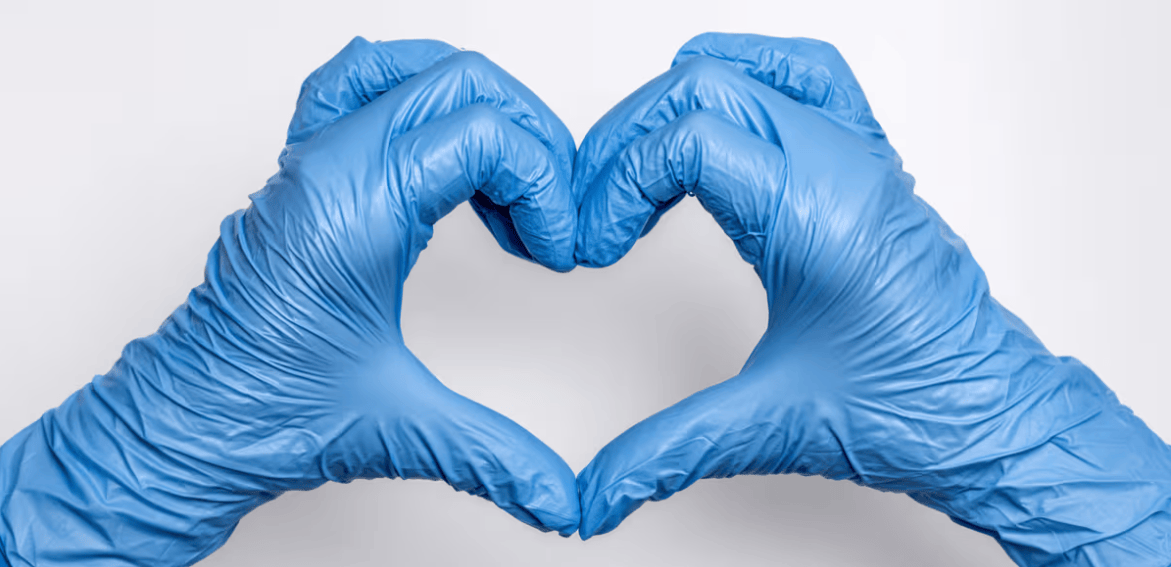
Simon Kielgaard stated: "Plastic bottles are relatively easy to recycle, but other plastic products like rubber gloves are difficult to reuse and are typically incinerated, releasing carbon dioxide and harmful gases. Our experiment modifies the gloves so they can capture carbon dioxide instead of becoming waste products."
This research is part of the Skydstrup group project under the Novo Nordisk Foundation CO2 Research Center (CORC), which focuses on capturing or converting carbon dioxide through Power-to-X technology. The team has successfully recycled mattress polyurethane foam and wind turbine blade materials. Now, they shred the rubber gloves and react them with a ruthenium-based catalyst and hydrogen, enabling them to capture carbon dioxide from simulated flue gas.
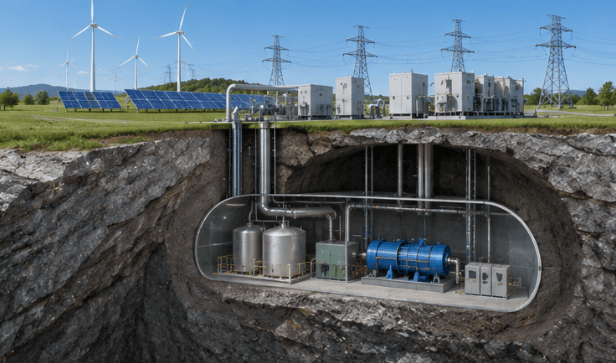
Simon Kielgaard explained: "In practical applications, this could be used in power plants. When heated, the rubber product regenerates and re-absorbs carbon dioxide. The gas can then be used for underground storage or Power-to-X, while the material refreshes to capture new carbon dioxide."
The innovation of this method lies in using waste materials instead of petroleum-based ones, aligning with the Intergovernmental Panel on Climate Change (IPCC) goal of removing 5 to 16 billion tons of carbon dioxide annually by 2050. Simon Kielgaard emphasized: "Utilizing large amounts of waste is a smart choice. Nearly every atom in the product comes from waste, and the small amount of hydrogen required could ideally be obtained from water via Power-to-X."
Currently, the experiment is at the laboratory stage, with a Technology Readiness Level (TRL) of 3 or 4. Simon Kielgaard noted: "We are working on a gram scale, and the results are promising. However, scalability and economic viability need improvement, especially given the high cost of the catalyst. If performance parameters are enhanced, we could potentially reach TRL 5 or 6 in the future, enabling commercial applications."