Against the backdrop of escalating tensions in the Persian Gulf region and shipping disruptions in the Strait of Hormuz, Saudi Arabia has revived plans for the Salman Canal project. This initiative aims to establish an alternative shipping route stretching from the Persian Gulf to the Red Sea, bypassing conflict zones to ensure maritime security. According to Transporto Europa, the total project budget could reach as high as $250 billion, involving the creation of an artificial waterway approximately 950 to 960 kilometers long.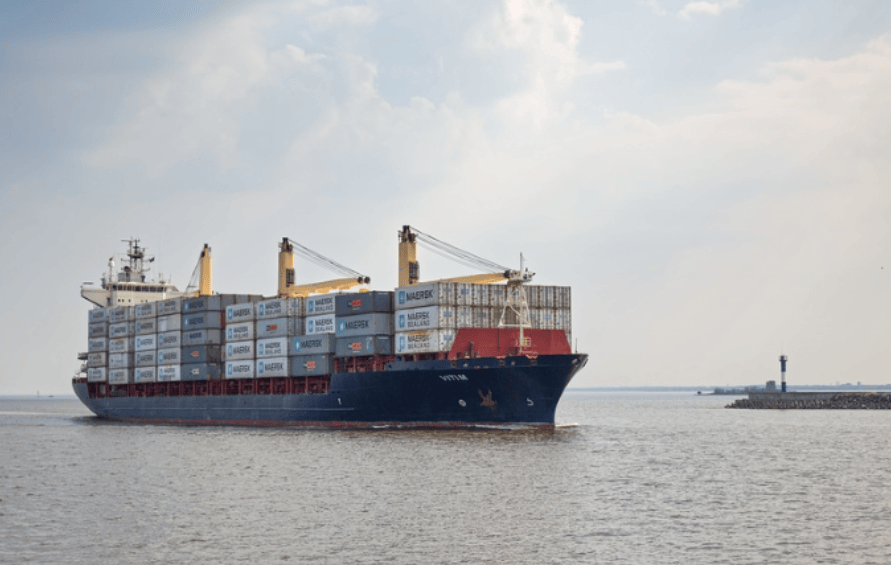
The technical specifications of the Salman Canal include a working width of about 150 meters and a depth of 25 meters, enabling it to accommodate large oil tankers and container ships. The direct project costs, covering hydraulic infrastructure such as earthworks and dredging, are estimated between $80 billion and $100 billion. The comprehensive development plan, which includes port construction, railway connections, and the establishment of special economic zones, raises the total budget to $250 billion.
The canal route is expected to traverse the Rub' al Khali desert, with its eastern entrance located along the Persian Gulf coast near the industrial areas of Dammam and Jubail. In the main proposal, the western exit would lead to the Red Sea coast within Saudi territorial waters. An alternative proposal considers an exit to the Gulf of Aden, but this would require crossing Yemeni territory, involving complex international agreements and a joint management body.
For logistics operators, the implementation of the Salman Canal signifies the creation of a new east-west logistics axis across the Arabian Peninsula. The project is not merely a shipping route but an integrated logistics corridor, with plans to develop multimodal terminals and freight railway lines along the canal, connecting new ports with industrial centers such as Riyadh.
Currently, the suspension of shipping through the Strait of Hormuz has led carriers to impose surcharges of up to $4,000 per TEU, and insurers have withdrawn coverage. Bookings for ports in the UAE, Qatar, and Bahrain are largely frozen, highlighting the importance of the Salman Canal project in alleviating shipping pressure.