Wedoany.com Report on Mar 6th, The European Commission recently released the EU Port Strategy and the EU Maritime Industrial Strategy, aiming to enhance port and shipbuilding capabilities to support Europe's offshore wind construction. Previously, European offshore wind gained new momentum from successful auctions in Poland, the UK, and the Hamburg North Sea Summit, but supply chain bottlenecks are becoming increasingly prominent.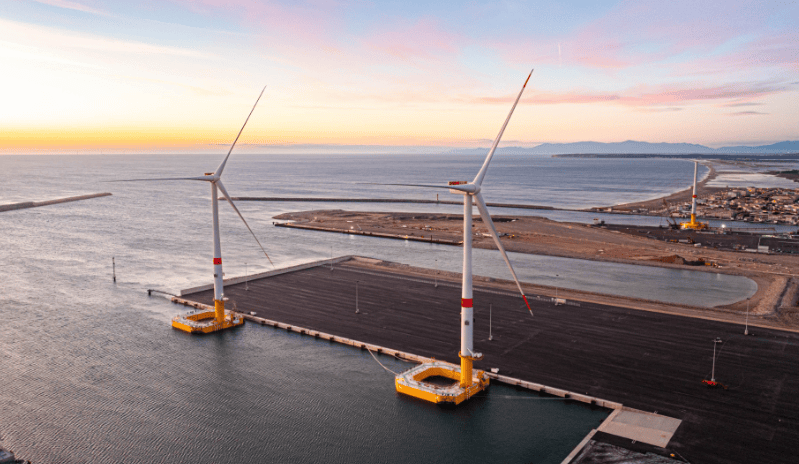
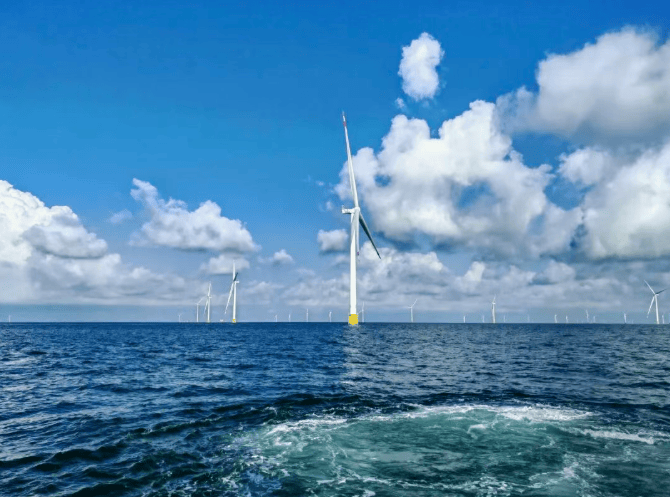
Offshore wind is seen as a key pathway to reduce import dependency. Last year, Europe invested 22.5 billion euros in offshore wind projects, with installed capacity expected to increase from 39 GW to 73 GW by 2030.
North Sea countries committed at the Hamburg Summit to provide 10 GW of offshore wind per year through two-way Contracts for Difference between 2031 and 2040, and to remove barriers to Power Purchase Agreements. The European wind industry pledged to mobilize 1 trillion euros in economic activity, create 91,000 jobs, and invest 9.5 billion euros in the value chain.
The EU Port Strategy emphasizes the importance of ports for wind power development, urging member states to accelerate port expansion approvals, improve electrification levels, and ensure infrastructure alignment with projects. European port capacity already lags behind demand, requiring an additional investment of 2.1 billion euros.
The EU Maritime Industrial Strategy focuses on protecting the European shipbuilding industry by monitoring unfair trade and coordinating public orders to support the manufacturing of offshore wind vessels, such as offshore support vessels and cable-laying ships. The WindEurope organization welcomed the strategy but noted that funding remains insufficient.
Europe will continue to collaborate to ensure that ports and shipyards can provide sufficient offshore wind capacity to achieve energy security and competitiveness goals.