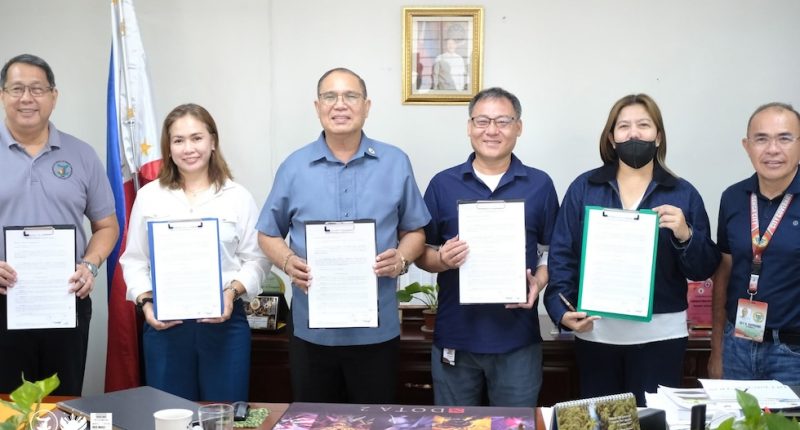
Wedoany.com Report on Mar 6th, In Côte d'Ivoire and Ghana, up to 58% of cocoa farmers live in extreme poverty, earning less than $2.15 per day, while issues of child labor and deforestation are prominent. To address these challenges, Nestlé, Lindt & Sprüngli, Mars, Inc., Mondelēz International, and The Hershey Company recently collaborated to establish the TogetherCocoa Foundation in Geneva, Switzerland.
The foundation aims to accelerate industry-wide collaboration, enhance the resilience of cocoa supply chains, and focus on helping to close the living income gap for farmers in Côte d'Ivoire and Ghana. EU data shows that 60% of Côte d'Ivoire's cocoa production is concentrated in the western region, while Ghana's cocoa purchasing market is highly concentrated. Rainforest Alliance points out: "In Côte d'Ivoire and Ghana alone, approximately 1.5 million children are engaged in child labor in cocoa production." The foundation will continue to collaborate with the governments of both countries and various stakeholders in the supply chain to promote the sustainable development of the cocoa industry.
The Nestlé Cocoa Plan (NCP) was launched in 2009, partnering with over 180,000 farmers across 11 countries of origin, covering nearly 298,000 tons of cocoa in 2024. The plan revolves around three pillars: better farming, better lives, and better cocoa. It improves yields through training while protecting biodiversity and water resources. Village Savings and Loan Associations and Child Labor Monitoring and Remediation Systems enhance social sustainability. Traceability models such as mass balance and segregated sourcing, often certified by the Rainforest Alliance, ensure transparent tracking of cocoa, with the goal of achieving 100% sourcing by 2025.
Mars, Inc. has committed $1 billion from 2018 to 2028 to support cocoa-growing communities and the environment. Its responsible sourcing program collaborates with suppliers to achieve sustainable procurement. Harper McConnell, Chief Growth & Impact Officer at Rainforest Alliance, stated: "Our (Mars') approach helps develop a more modern, inclusive, and sustainable cocoa ecosystem." Initiatives include supporting economic independence for over 100,000 women and income-boosting programs for 15,000 farmers. Simultaneously, distributing over 1.8 million non-cocoa trees supports biodiversity, and forest protection covers over 99,000 farmers in Côte d'Ivoire and Ghana. These measures integrate social empowerment and ecosystem protection to build a more resilient cocoa supply chain.