Wedoany.com Report on Mar 6th, A study led by the Technical University of Munich and involving 43 international researchers warns that European forests could face unprecedented damage from wildfires and pest infestations if climate change emissions are not reduced. Published in the journal "Science," the study used computer simulations to analyze future scenarios for 187 million hectares of European forests, indicating that disturbances could double by the end of the century.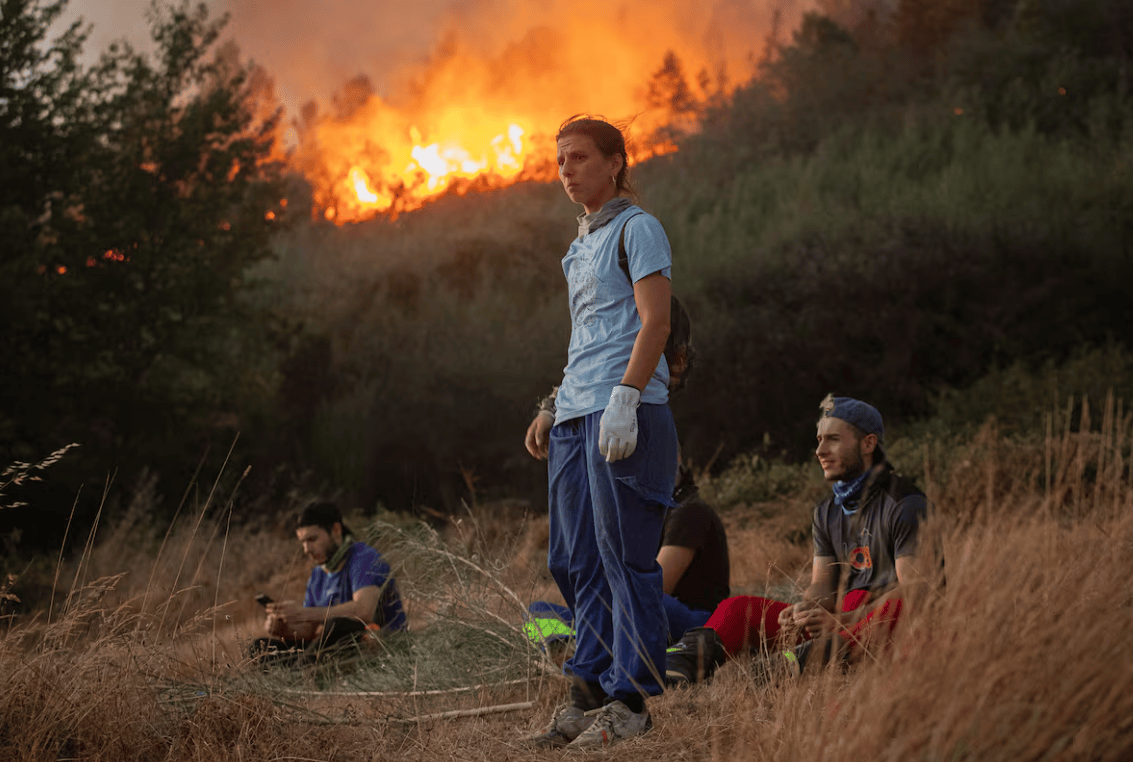
The study considered three climate scenarios: an optimistic scenario (temperature rise close to 1.5 degrees), an intermediate scenario (moderate policies), and a pessimistic scenario (a 4-degree rise). The results show that forest disturbances caused by fires, pests, and wind will increase under all scenarios. Lead author Rupert Seidl stated, "We must prepare for severe forest damage in the coming years. While disturbances have negative impacts on humans, they also provide opportunities to establish climate-resilient forests."
Combining satellite data and AI modeling, the study predicts that the Mediterranean region will be severely affected. Scientist Josep Maria Espelta from the Ecological Research and Forestry Applications Center (CREAF) noted, "Under the worst-case scenario, disturbance rates will increase across 90% of the forest area, with an upward trend already observed during the reference period of 2001–2020." Wildfires are expected to be the primary threat, followed by wood-boring beetles, such as the spruce bark beetle.
The study also predicts that European forests will become younger and smaller, leading to a reduced capacity for carbon sequestration. Espelta warns that this could accelerate climate change. José V. Roces-Díaz from the Mixed Institute of Biodiversity (IMIB) at CSIC-University of Oviedo commented that a temperature rise of approximately 3°C could lead to an 18% increase in the proportion of young forests in the Mediterranean region and a 5% increase across Europe, with profound ecological and social implications.