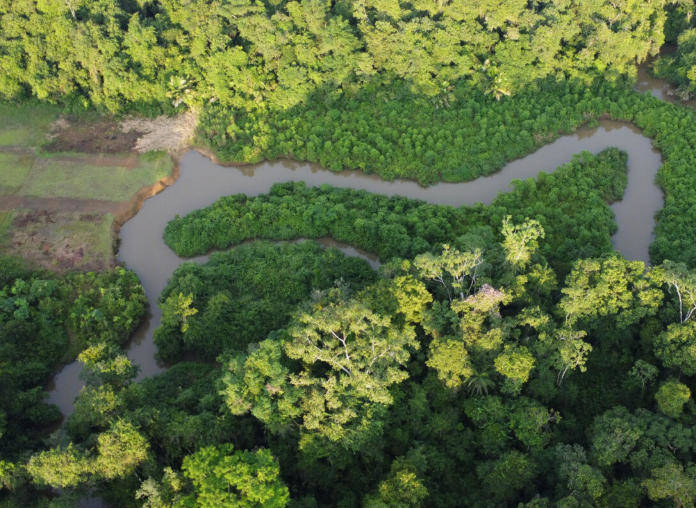
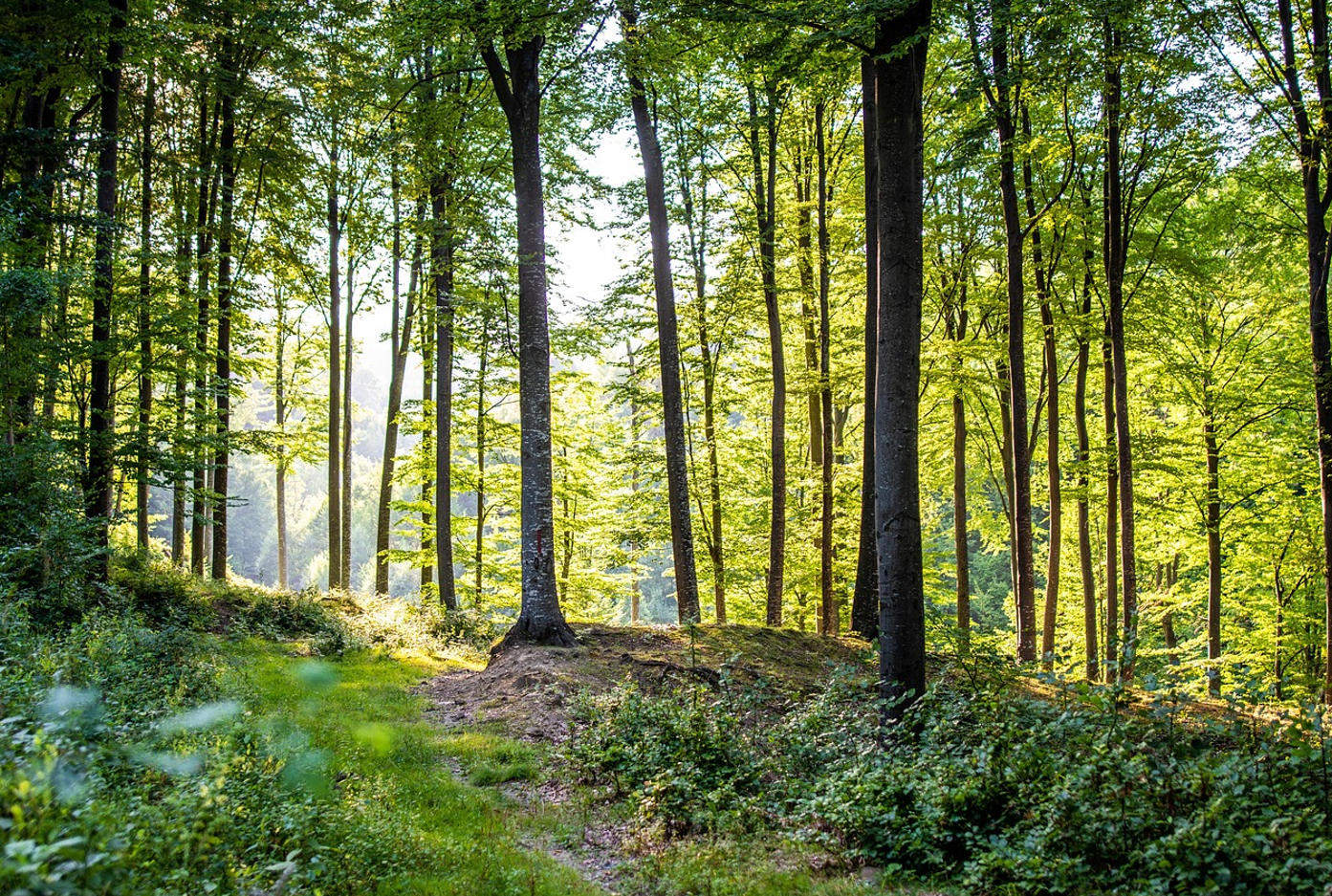
European Forest Disturbances Could Double, Carbon Sink Stability Threatened
Wedoany.com Report on Mar 6th, A new study published in the journal Science on Wednesday reveals that if global warming continues, the frequency of disturbances in European forests could more than double by the end of this century, reshaping landscapes from Portugal's cork oak forests to the birch groves of northern Finland. The research team used artificial intelligence to develop a continent-wide forest model, simulating interconnected forest processes.
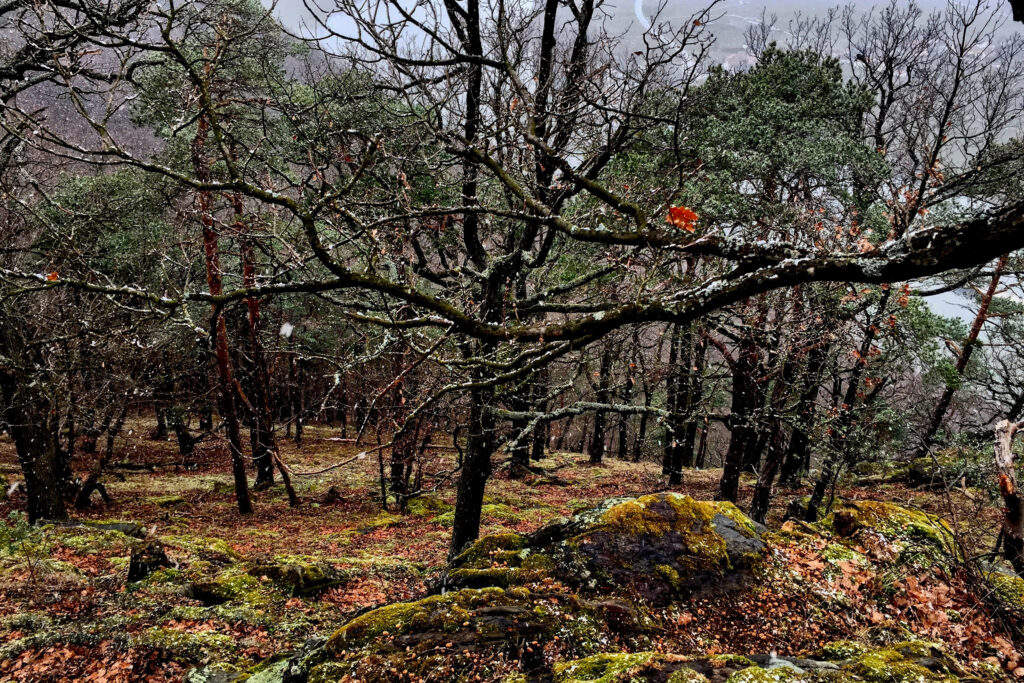
Forests cover approximately 40% of Europe. By focusing on plots the size of two football fields, researchers observed how stress factors like drought and heat interact and amplify, with repeated disturbances potentially pushing forests back to earlier growth stages. Even under a low-emission scenario, forest disturbances triggered by warming are still projected to increase by about 30% by the end of the century. However, the authors note that if emissions and warming slow in the coming decades, disturbances could peak around mid-century rather than continuously intensifying.
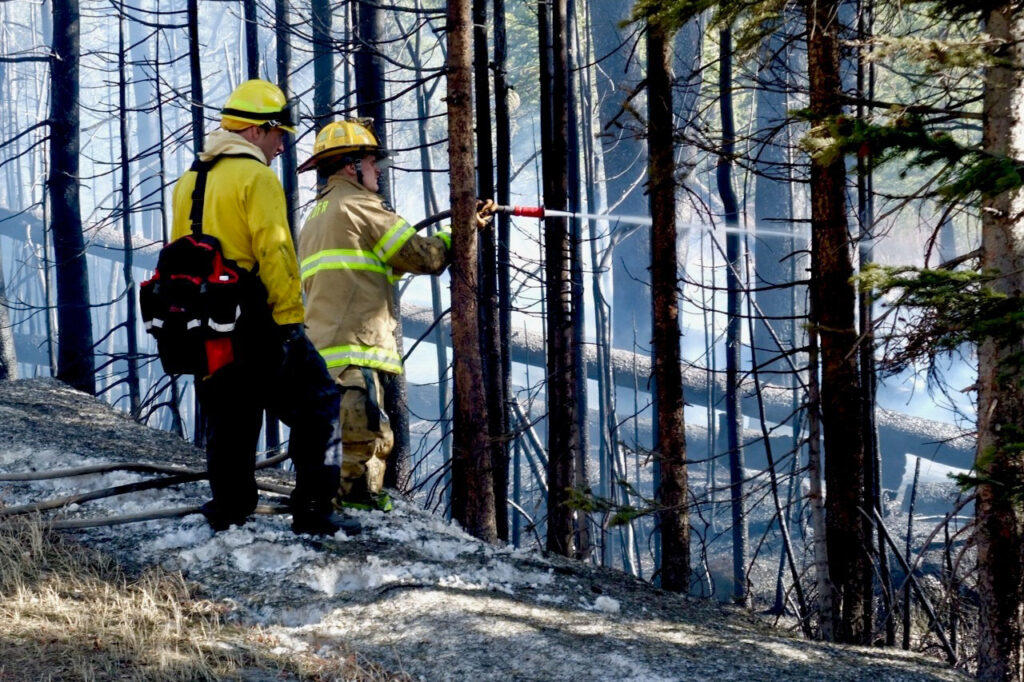
The model identified wildfires as the climate factor most sensitive to future disturbances, particularly in Southern Europe, where higher temperatures and drier air lead to a significant increase in burned area. Simultaneously, rising temperatures accelerate insect reproductive cycles and reduce winter mortality, exacerbating insect outbreaks. These compound pressures shift European forest structures from older stands towards more young forests, especially in the Mediterranean and temperate mid-latitude regions. Mature trees store more carbon and support species dependent on stable habitats; this shift could weaken the stability of carbon sinks.
Rupert Seidl, Professor of Ecosystem Dynamics at the TUM School of Life Sciences and a co-author of the study, stated: "Using novel AI methods, we have developed a completely new paradigm for modeling forests over large spatial domains." He added that the model accurately simulates spatial processes like beetle movement, rather than relying on single-frame snapshots. The research team anticipates increased future disturbances but suggests that regeneration could have a balancing effect.
Forest changes also affect water and soil flow. After trees die or burn, rain falls directly on bare soil, accelerating runoff and carrying sediments, which can destabilize slopes and affect downstream farms, towns, and hydropower plants. For nearby residents, longer fire seasons, beetle outbreaks, or wind damage could threaten the timber industry, tourism, and rural economies. In some regions by the end of the century, severe fires or local tree die-offs may shift from rare to common occurrences.
The study reveals regional differences. In Scandinavia and Northern Europe, while wildfire risk increases, storms and insect outbreaks remain the main drivers of boreal forest change. Warmer temperatures lengthen the growing season and may promote tree growth, but also benefit pests like bark beetles. Overall, initial gains in boreal forests may be offset by disturbances, affecting carbon storage and biodiversity. Katariina Albrich, a researcher at the Natural Resources Institute Finland, emphasized: "These findings highlight the importance of proactive adaptation in forest management across Europe's northern forests." She noted that management goals include promoting mixed stands to enhance climate resilience.
The Mediterranean basin was identified as Europe's most pronounced disturbance hotspot. Under a high-emission scenario, nearly 90% of the forest area in this region would experience increased disturbances, far exceeding other areas. Hotter summers and drier air make the landscape more prone to burning. Once warming exceeds 2 degrees Celsius, Mediterranean forest changes could accelerate abruptly, significantly reducing the proportion of older, carbon-rich forests. Seidl concluded: "Our results show that these disturbances interact to significantly amplify overall tree mortality, so they have the potential to substantially alter forests." This study provides crucial insights for European forest management and climate policy, highlighting the urgency of mitigating warming to maintain carbon sink stability.
Related Products



4HS-8 High-efficiency Peanut Inverted-laying Harvester
Hebei Yongfa Hongtian Agricultural Machinery Manufacturing Co., Ltd.
Industrial and Commercial Point-Type Gas Detector
Jinan Benan Technology Development Co., Ltd.
714CD Series C-Band Weather Radar
Chengdu Zhongdian Jinjiang Information Industry Co., Ltd.