Nigeria Meteorological Agency Releases Seasonal Climate Prediction, Key Data Guides Agriculture and Disaster Prevention
Wedoany.com Report on Mar 6th, The Nigeria Meteorological Agency (NiMet) releases the "Seasonal Climate Prediction" report annually, providing key climate data such as rainfall patterns, temperature trends, dry spells, flood risks, and planting windows. Although often overlooked, this report is crucial for addressing climate change.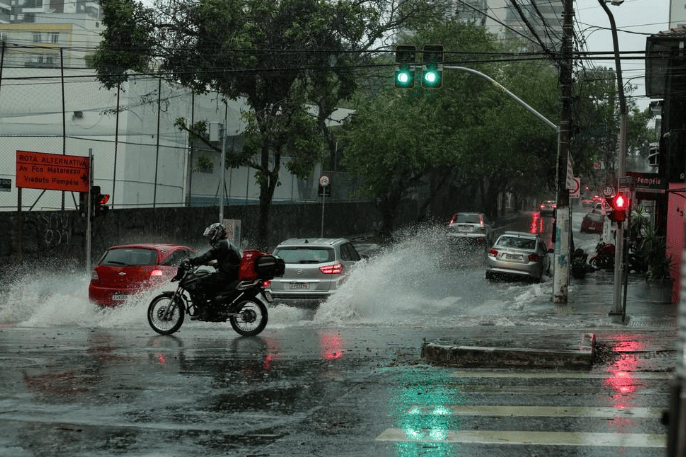
Nigerian agriculture relies heavily on rainfall, with over 80% of farming being rain-fed. The agricultural sector contributes approximately 25% to GDP and employs 35-40% of the workforce. The 2022 floods affected more than 30 states, displacing over 1.4 million people and destroying 440,000 hectares of farmland, driving up food prices. With frequent climate shocks, accurate data has become a key tool for risk management.
Climate data helps farmers determine optimal planting times, avoiding crop failure due to delayed rainfall. In terms of disaster preparedness, predictions of floods, rainfall intensity, and temperature anomalies enable governments to take preemptive measures to protect communities and infrastructure. This data also guides national economic planning, influencing decisions in agriculture, water resources, power generation, and infrastructure.
However, challenges exist in translating scientific data into practical information. Many rural farmers are unaware of the predictions, receive information too late, or find the format difficult to understand. NiMet is engaging with farmers, state governments, and the media to simplify the sharing of climate information, aiming to influence crop selection, irrigation strategies, and harvest timing.
Climate statistics are also vital for urban planning and infrastructure development. Nigerian cities face risks from floods, heatwaves, and water shortages. Accurate predictions can optimize the design of drainage systems, dams, and flood control facilities. However, policy responses at the state level are often inadequate; state governors frequently miss climate prediction launch events, which weakens the application of this data.
Experts recommend that NiMet move its launch events to vulnerable states and organize people-centered activities to prompt state government action, with media participation for oversight. Leveraging enhanced technology ensures forecast accuracy, avoiding reliance on post-disaster relief by preventing climate disasters through timely action.
Related Products
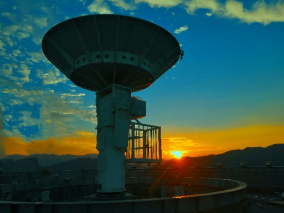

714CD Series C-Band Weather Radar
Chengdu Zhongdian Jinjiang Information Industry Co., Ltd.


Industrial and Commercial Point-Type Gas Detector
Jinan Benan Technology Development Co., Ltd.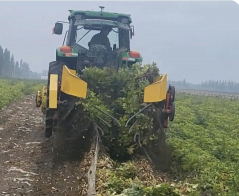
4HS-8 High-efficiency Peanut Inverted-laying Harvester
Hebei Yongfa Hongtian Agricultural Machinery Manufacturing Co., Ltd.