Wedoany.com Report on Mar 6th, The Food and Agriculture Organization of the United Nations (FAO) released a report indicating that a movement to protect traditional agricultural landscapes is gaining momentum in Europe and Central Asia. These landscapes are crucial for maintaining biodiversity, improving rural livelihoods, and supporting the resilience of food systems.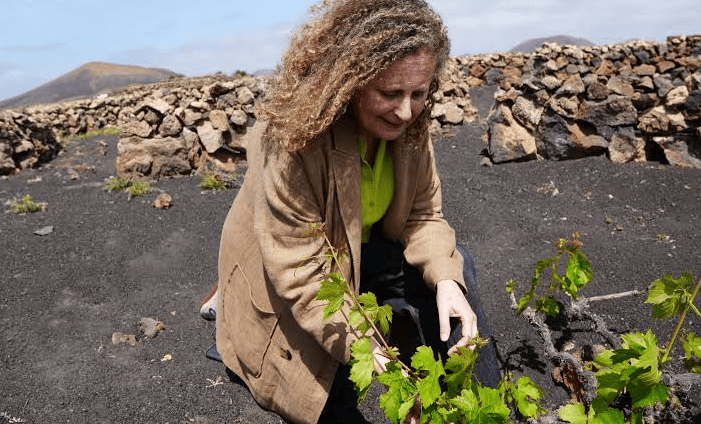
The report mentions that many historical agricultural systems have been designated as Globally Important Agricultural Heritage Systems (GIAHS) in recognition of their contributions to sustainable agriculture, cultural heritage, and environmental protection. These systems include mountain terraces, pastoral grasslands, ancient vineyards, and salt extraction areas, embodying the results of long-term interaction between communities and nature.
However, climate change, biodiversity loss, land degradation, and rural outmigration are threatening these heritage agricultural systems. As young people migrate to cities and modern agricultural models expand, traditional practices and knowledge face the risk of disappearing.
Agricultural heritage systems integrate biodiversity conservation, resilient ecosystems, cultural traditions, and community livelihoods, while also contributing to food security and sustainable production. The accumulated knowledge and land management strategies they embody are considered valuable resources for formulating policies on climate adaptation, biodiversity conservation, and sustainable development.
The GIAHS designation supports traditional agricultural communities in protecting their heritage and coping with the pressures of globalization, and encourages governments to integrate agricultural heritage into national development strategies. Currently, 15 systems in the region have received GIAHS designation. In July 2025, the Almose Valley in Tajikistan became the first GIAHS site in Central Asia, with its agro-pastoral system having developed over three thousand years.
Other potential areas include Azerbaijan's mountain-lowland agricultural system, traditional vineyards in Moldova's Lower Dniester Valley, Montenegro's ancient pastoral system, and flax cultivation in the Vitebsk region of Belarus. These examples showcase the diversity and cultural value of agricultural heritage systems.
Future regional efforts will focus on expanding protection through collaboration between governments, communities, and development partners, utilizing public-private partnerships, capacity building, and market access to support landscape maintenance. Raising public awareness and integrating these systems into national climate resilience and rural strategies will further safeguard them.
Experts emphasize that agricultural heritage systems are living, evolving landscapes, not relics of the past. The FAO stated that investing in their protection provides a significant opportunity for Europe and Central Asia to strengthen sustainable agriculture and preserve unique landscapes and traditions.