UK's Worn Again Swiss Accelerator Plant Goes Live, Advancing Commercialization of Polyester-Cotton Recycling Technology
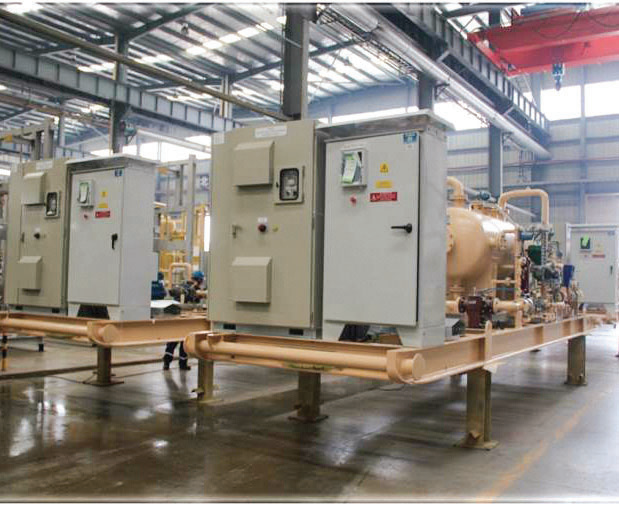
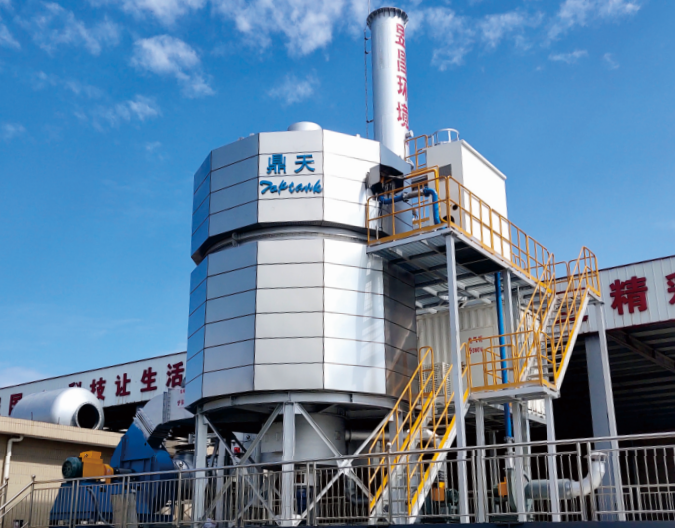
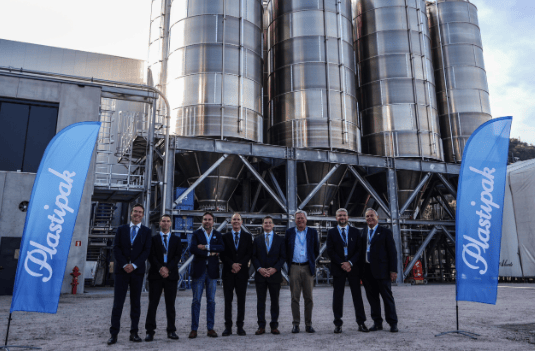
Wedoany.com Report on Mar 9th, Worn Again Technologies, based in Nottingham, UK, recently launched its accelerator plant in Winterthur, Switzerland. The facility aims to advance the commercialization of its textile-to-fiber recycling process and demonstrate the viability of its polyester-cotton recycling technology. The plant showcases Worn Again's proprietary chemical recycling technology at a larger scale, providing a testing platform for partners to validate its practical application across various textile streams.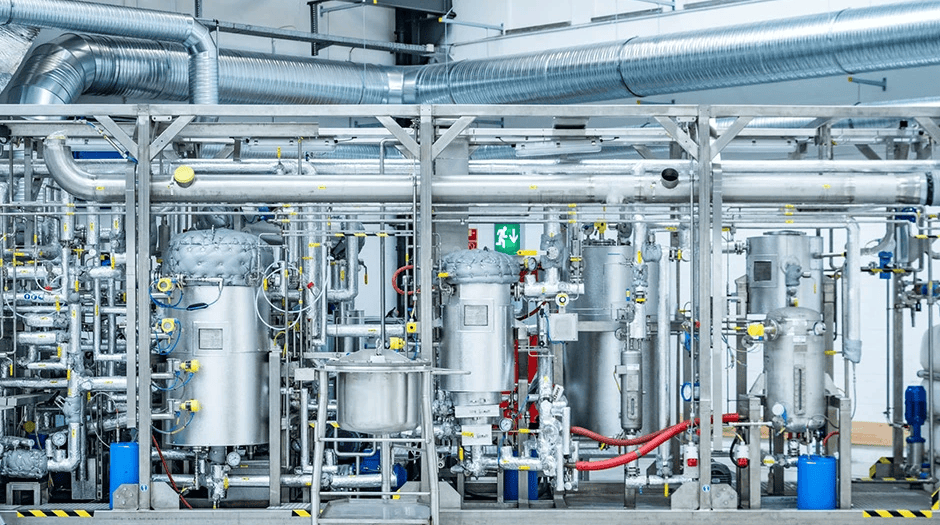
Worn Again is a textile recycling company specializing in chemical recycling technology that can separate polyester and cellulose from mixed end-of-life fabrics. Partners in the accelerator plant network will have priority access to the facility and its circular products. As capacity increases, the company will deepen existing collaborations and establish new relationships, laying the groundwork for its planned first commercial-scale production plant.
Michael Weiss, CEO of Worn Again Technologies, stated: "The fashion industry is at a critical juncture. Mixed polyester-cotton fabrics were once nearly impossible to recycle effectively, but are now being reimagined through our breakthrough process. This technology preserves material value, reduces waste, and unlocks significant economic opportunities." The plant is delivered in a modular fashion, with the first module focused on recovering spinnable polyester from discarded textiles, including post-consumer polyester-cotton blends from Switzerland, the EU, and the UK. The recovered circular polyester is expected to be used for downstream testing soon.
The next module, which is already in the detailed engineering design phase, will produce next-generation cellulose fibers and other advanced cellulose materials. The company is progressing towards a full-scale manufacturing facility capable of processing large volumes of textile waste and producing high-value circular products. Toby Moss, Chief Commercial Officer of Worn Again, added: "The accelerator is a critical asset in building our first commercial plant. Testing at this scale will expand our solution's coverage to a wider range of feedstocks, ensuring we stay ahead by adding value to more material streams and creating a growing portfolio of high-value downstream product applications."